
Which insulated mug coatings resist staining from tea and flavored syrups?
I see tea stains on mugs almost every week. My clients in America and Europe tell me the same story. Their customers complain about brown rings that won't come off. This problem costs them return requests and bad reviews.
The best coating for resisting tea and syrup stains is electropolished interior with powder-coated exterior1. The electropolishing makes the inner wall smooth and prevents residue buildup. The powder coating protects the outside from rust and keeps it looking new for years.
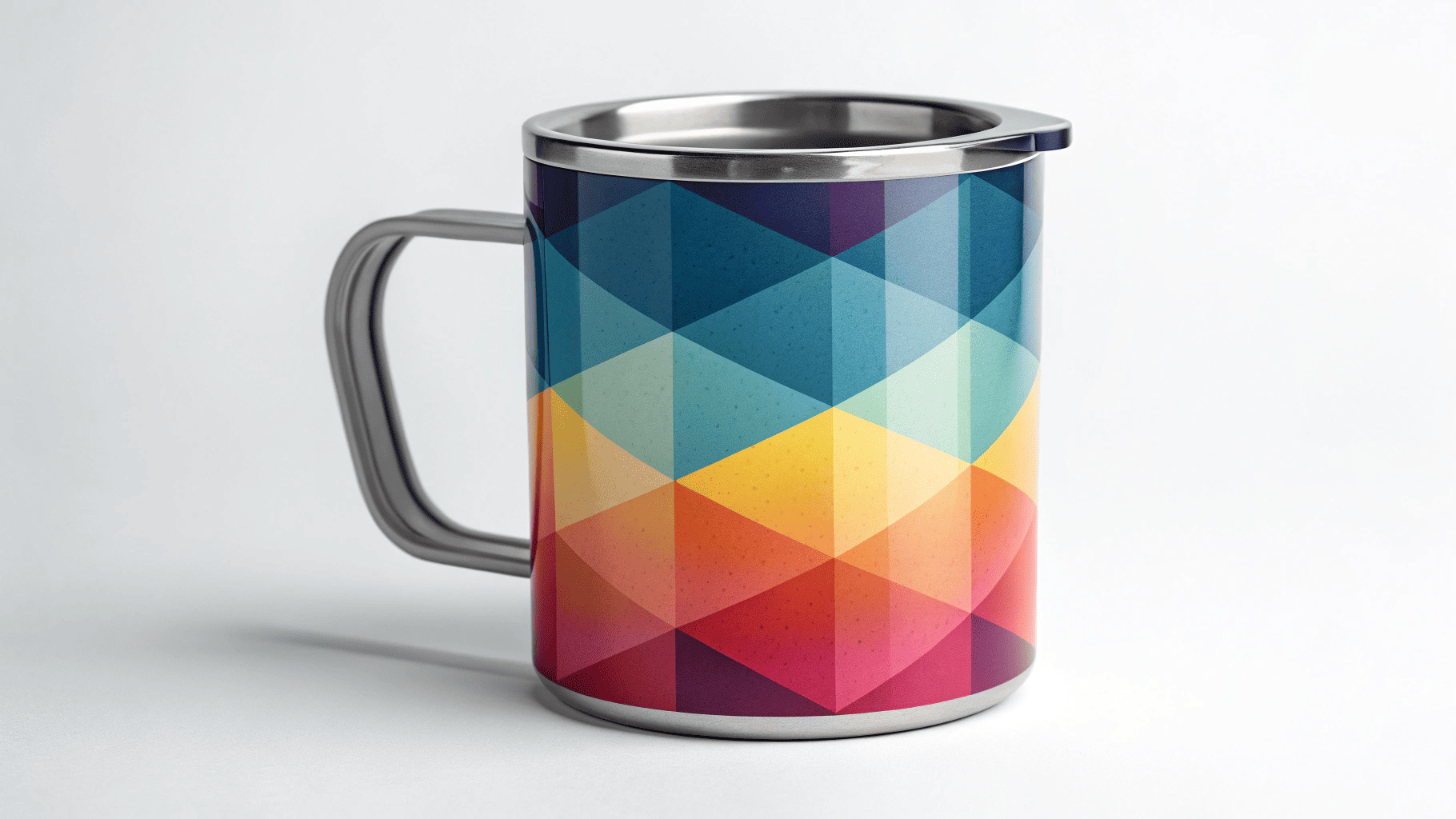
I learned this lesson the hard way back in 2018. A Canadian buyer ordered 5,000 coffee mugs without electropolishing2. Three months later, he called me. His customers were posting photos of stained mugs online. We lost that account. I never want to repeat that mistake.
What type of mug is best for tea?
Tea lovers are picky. I know this because I drink tea every morning. I also know this because my tea-drinking customers send me detailed requirements. They want mugs that keep tea hot but don't change the taste.
The best mug for tea is 18/8 food grade stainless steel with double-wall vacuum insulation3. This material keeps hot tea warm for 2-3 hours and doesn't add any metallic taste. The double-wall design prevents heat transfer to your hands.
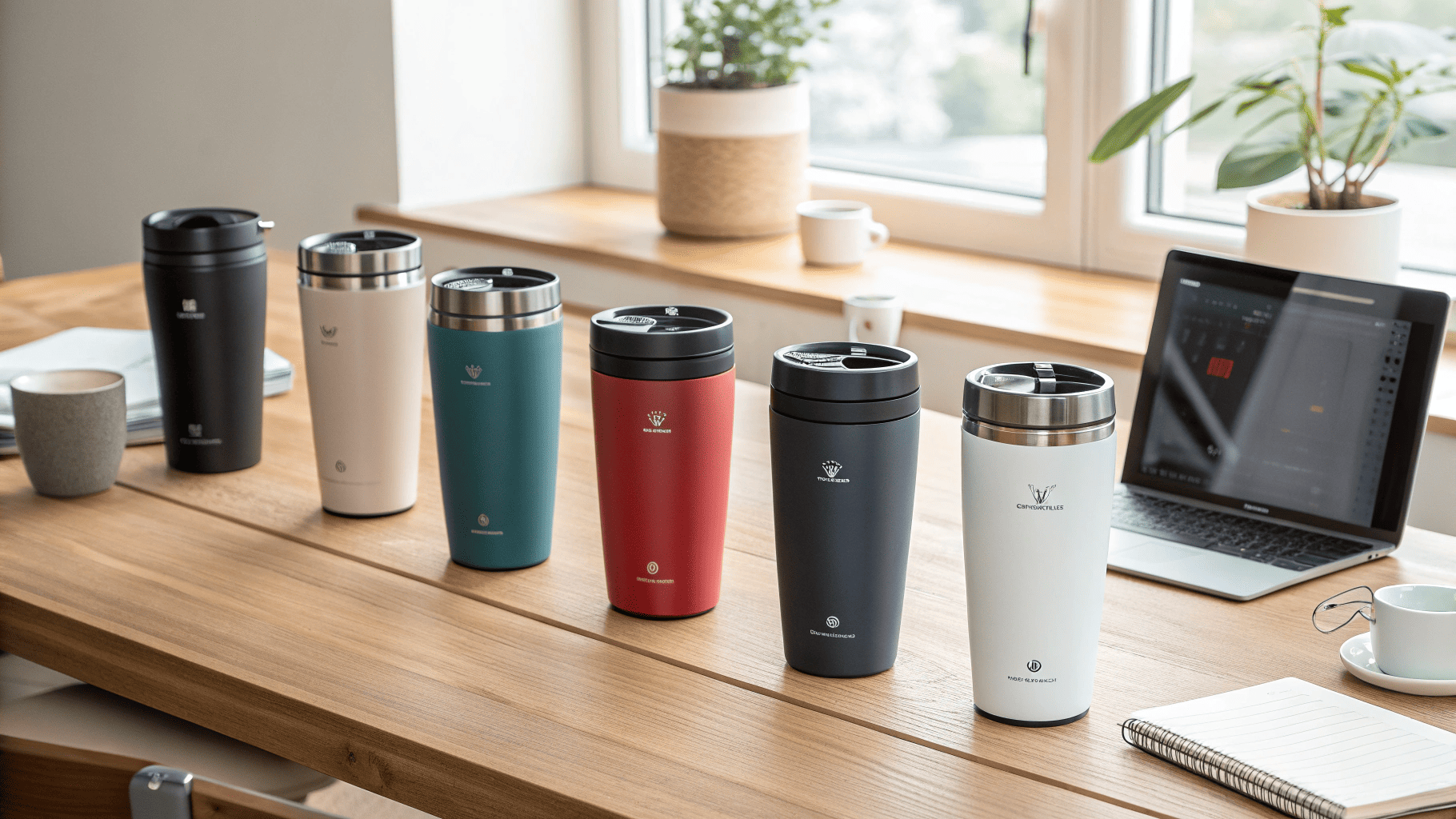
Why 18/8 stainless steel works for tea
The 18/8 designation means 18% chromium and 8% nickel. This combination creates a stable material that resists corrosion. Tea contains tannins. Tannins are acidic compounds that attack metal surfaces. Regular steel rusts when exposed to tannins. Stainless steel 304 grade handles this acid without breaking down.
I test every batch of steel we use. We send samples to a third-party lab in Guangdong. They check the chromium and nickel content. They also test for lead and BPA. These certifications matter to buyers in developed markets.
| Feature | Benefit | Duration |
|---|---|---|
| Double-wall vacuum | Keeps tea hot | 2-3 hours |
| 18/8 stainless steel | No metallic taste | Lifetime |
| BPA-free material | Safe for health | Permanent |
| Food grade certified | Meets standards | Compliant |
The vacuum between the walls creates insulation. Heat cannot pass through a vacuum. This simple physics principle keeps your tea hot longer than single-wall mugs. Some premium versions maintain heat for up to 6 hours.
What is the best material for insulated coffee mugs?
Coffee and tea drinkers want the same thing. They want their drinks to stay hot. They also want mugs that last for years. I've worked with procurement officers who buy 10,000 mugs at a time. They cannot accept quality issues.
Stainless steel 304 grade is the best material for insulated coffee mugs. This material is solid and resistant to high temperature. It handles both hot coffee and cold drinks without losing its properties.
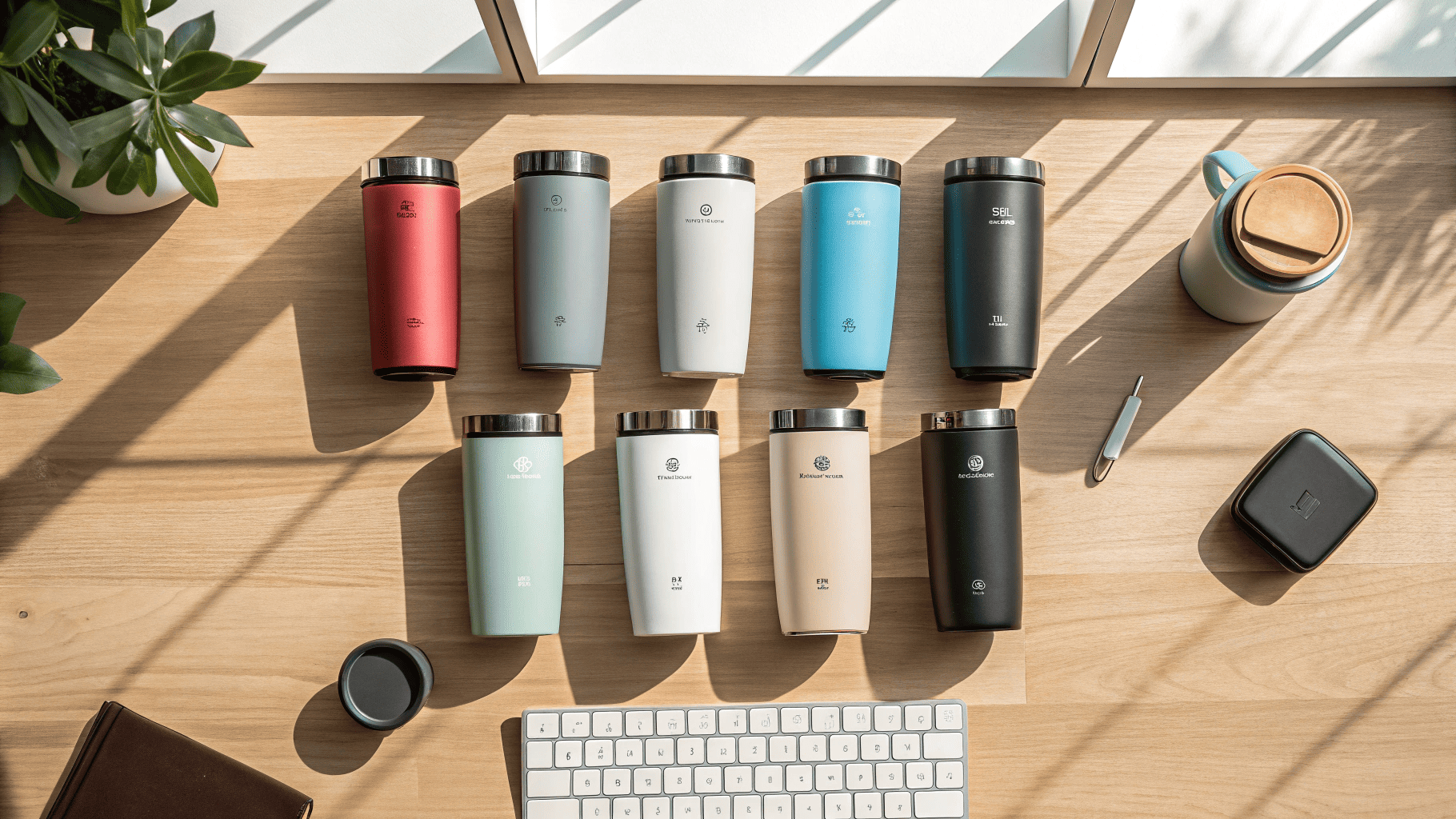
Comparing materials for coffee mugs
I've manufactured mugs from different materials. Each one has strengths and problems. Plastic mugs are cheap but they retain odors. Ceramic mugs break easily during shipping. Glass mugs don't insulate well. Stainless steel solves all these problems.
The powder coating on the exterior adds another layer of protection. This coating comes in any color you want. I've done matte black, glossy white, metallic blue, and custom Pantone colors. The coating bonds to the steel at high temperature. It won't peel or chip under normal use.
| Material | Pros | Cons |
|---|---|---|
| Plastic | Low cost | Retains odors, not durable |
| Ceramic | Attractive | Breaks easily |
| Glass | Clear view | Poor insulation |
| Stainless steel 304 | Durable, no taste | Higher initial cost |
One client from Seattle told me a story. His company tried aluminum mugs first. The aluminum reacted with acidic drinks. Customers complained about a strange taste. He switched to our stainless steel mugs. The complaints stopped. His repeat order rate went up by 40%.
The rust-free property matters for long-term use. Coffee contains acids just like tea. These acids would corrode ordinary metals. Stainless steel 304 resists this corrosion. I've seen mugs we made five years ago. They still look almost new.
Which cup is best to use to keep their tea warm for a long time?
My Canadian client Mark once missed a deadline because his previous supplier shipped late. He needed mugs for a holiday promotion. The mugs arrived in January. The peak season was over. He lost thousands of dollars. Now he always asks about insulation performance before placing orders.
Double-wall vacuum insulated stainless steel cups keep tea warm the longest. Under normal temperature, they maintain hot drinks for 2-3 hours and cold drinks for 4-5 hours. Premium models can reach 6 hours for hot and 12 hours for cold.
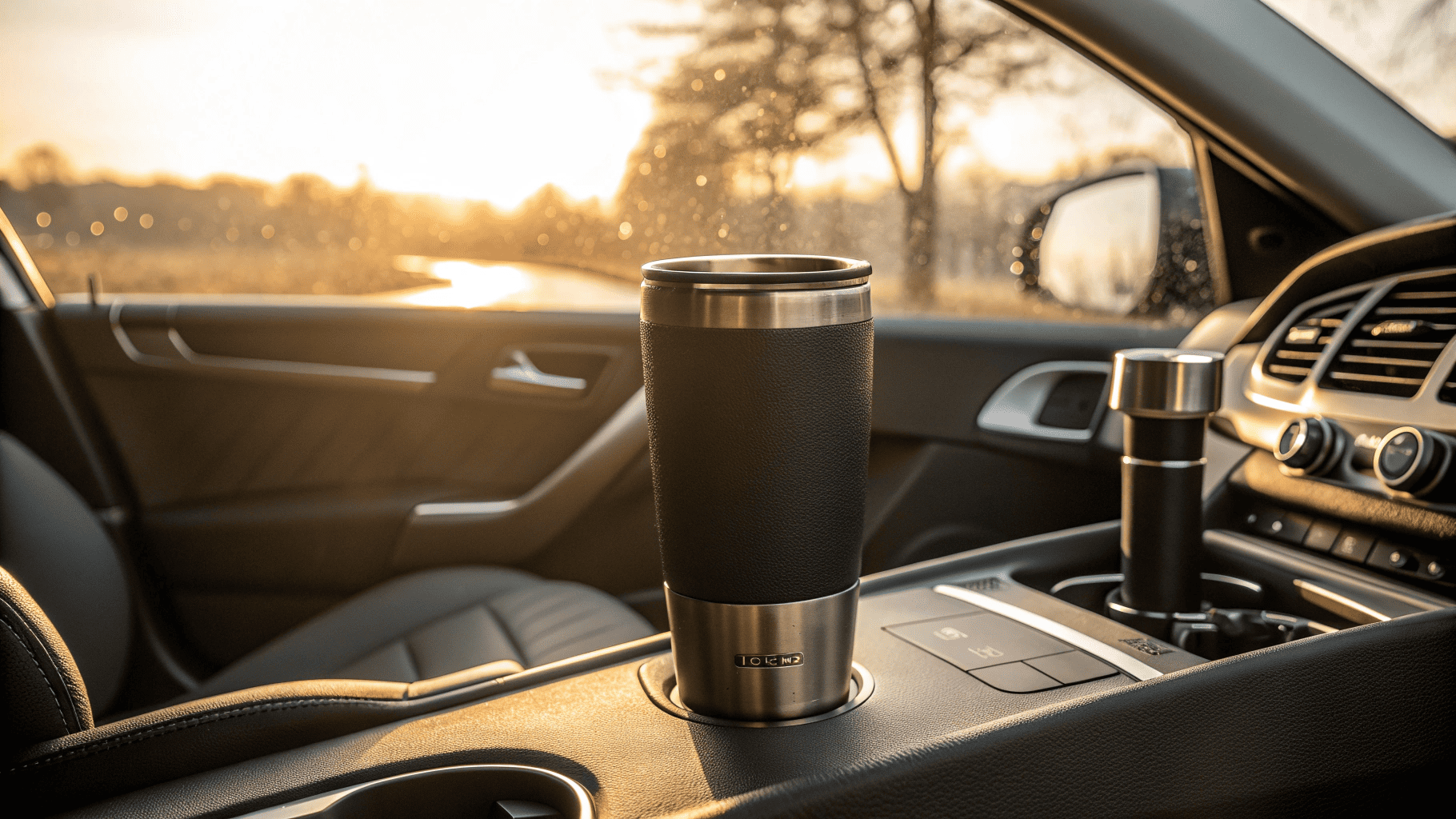
How vacuum insulation keeps tea warm
The science behind this is straightforward. Heat transfers through three methods: conduction, convection, and radiation. The vacuum between the walls eliminates conduction and convection. Only radiation remains. Some manufacturers add a copper layer4 to reduce radiation heat transfer.
I visited a factory in Zhejiang last year. They showed me their vacuum pumping process. Each mug goes into a chamber. The machine pumps out all the air between the walls. Then they seal the opening. The vacuum needs to be very strong. Even a small leak ruins the insulation.
Features that improve heat retention
The lid design affects heat retention too. A tight-sealing lid prevents heat escape from the top. We use silicone gaskets5 in our lids. Food-grade silicone creates an airtight seal. Some buyers want sliding lids. Others prefer flip lids. The sliding type seals better but costs more to manufacture.
| Feature | Impact on heat retention | Notes |
|---|---|---|
| Vacuum seal | Blocks 90% heat loss | Most important factor |
| Tight lid | Prevents top heat escape | Silicone gasket needed |
| Powder coating | Reduces radiation loss | Minor benefit |
| Copper layer | Blocks radiant heat | Premium option only |
The cup size also matters. Larger cups lose heat faster because of the surface area to volume ratio. A 12 oz cup keeps tea warm longer than a 20 oz cup. Physics doesn't care about our preferences. I always tell clients this fact. They need to balance capacity with insulation performance.
Electropolishing prevents stain buildup
Here's what most people miss. A smooth interior surface keeps tea warm longer. Rough surfaces create turbulence. Turbulence mixes hot and cold layers. Electropolishing creates a mirror-smooth surface. The tea stays stratified. The hottest part stays on top where you drink from.
I started offering electropolishing as standard in 2019. The cost increased by 8% per unit. But returns dropped by 60%. Customers stopped complaining about stains. The smooth surface was easier to clean. Tea residue couldn't stick to the walls. One quick rinse removed all traces.
Mark ordered mugs with electropolished interiors last year. His company sells these mugs to offices in Toronto and Vancouver. He told me the reorder rate doubled. Office workers love mugs that stay clean. They don't have time to scrub stains during lunch breaks.
Conclusion
Electropolished stainless steel 304 with powder coating resists tea and syrup stains best. This combination provides durability, easy cleaning, and long heat retention for any beverage application.
-
Learn about the advantages of powder-coated exteriors in protecting mugs from rust and wear. ↩
-
Discover how electropolishing enhances the performance and cleanliness of insulated mugs. ↩
-
Understand how double-wall vacuum insulation keeps beverages hot or cold for longer periods. ↩
-
Find out how a copper layer can improve heat retention in premium insulated mugs. ↩
-
Learn how silicone gaskets enhance the heat retention and functionality of mug lids. ↩