
Are insulated coffee mugs dishwasher-safe? Testing and labeling for 2026
I get this question from buyers every week. They want their customers to love the products they distribute. But one dishwasher cycle can ruin months of careful sourcing work. The wrong answer here costs you returns and damages your reputation.
Most insulated coffee mugs are not dishwasher-safe. The high heat and harsh detergents damage the vacuum seal between the double walls. This breaks the insulation and ruins the temperature retention that makes these mugs valuable.
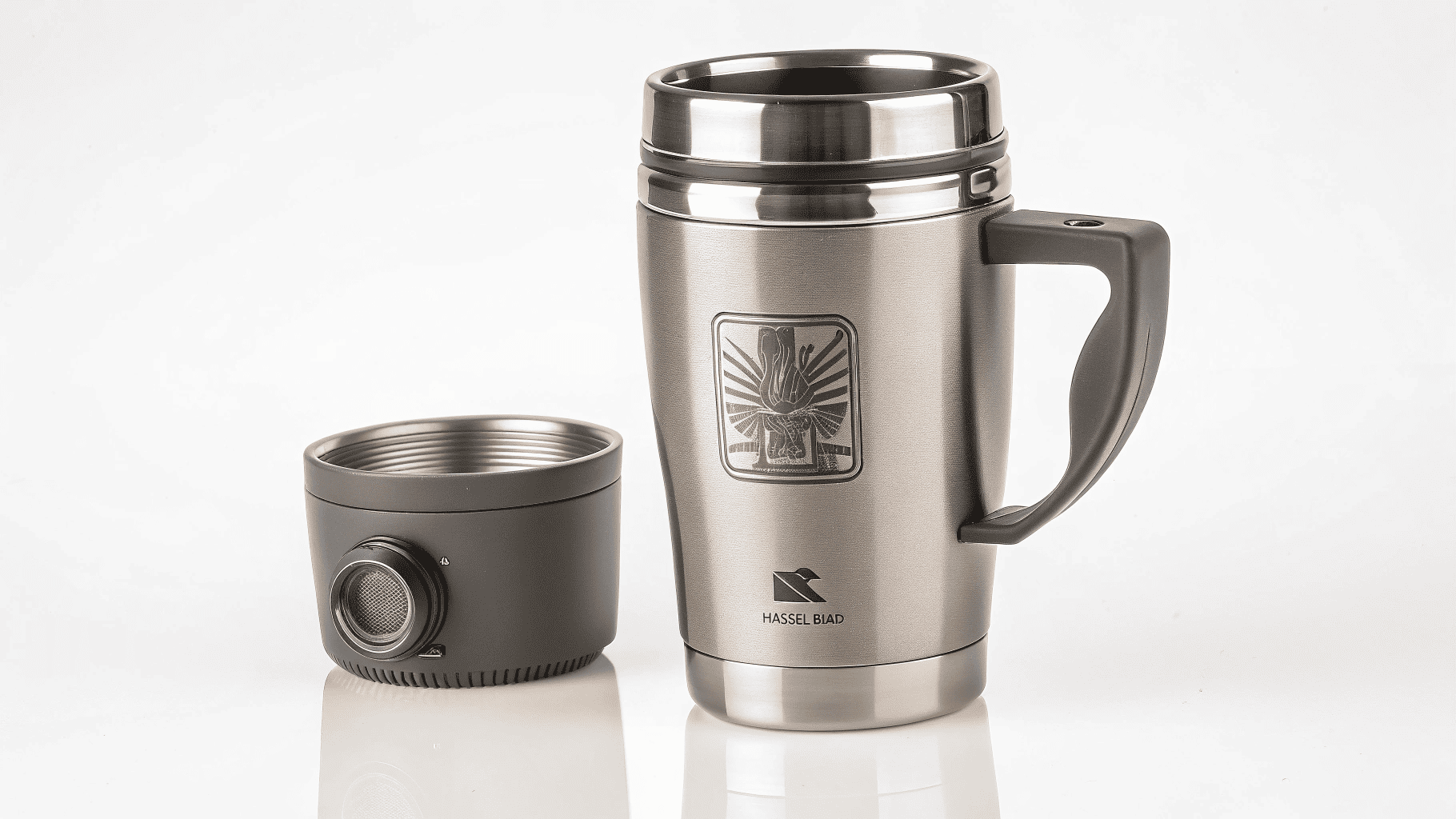
I learned this the hard way in my early years at Icobottle. A Canadian distributor ordered 5,000 premium insulated mugs from us. They never asked about dishwasher safety. Their retail customers threw the mugs in dishwashers. Within two months, we got complaints. The mugs stopped keeping coffee hot. The powder coating1 started peeling. The distributor lost money. We lost a relationship. Now I make sure every buyer understands this before they place an order.
Why shouldn't you put insulated cups in the dishwasher?
Your customers will put these cups in the dishwasher unless you tell them not to. They do it with regular mugs. They assume insulated ones work the same way. This assumption destroys the product you spent weeks selecting.
Dishwashers create three problems for insulated cups. First, the high temperature compromises the vacuum seal2. Second, the detergents attack the exterior finish. Third, the water pressure damages silicone components like gaskets and bases.

The vacuum seal is the heart of any quality insulated mug. We create this seal by removing air from the space between two stainless steel walls. The vacuum stops heat from moving through the walls. This is why your coffee stays hot for hours. But vacuum seals are sensitive. The dishwasher runs at temperatures between 130°F and 170°F. These temperatures cause the metal walls to expand. The expansion is slight. But it happens repeatedly. Each cycle weakens the seal a little bit. After enough cycles, tiny amounts of air leak into the vacuum space. Once air gets in, the insulation fails. The mug looks fine on the outside. But it no longer performs.
The exterior coating faces different challenges. Most of our premium mugs use powder coating. This coating provides color. It also creates a sweatproof surface. The coating bonds to the stainless steel through heat treatment in our factory. We bake it at specific temperatures. The process creates a durable finish. But dishwasher detergents are alkaline. They break down the molecular bonds in the powder coating. The coating starts to fade. Then it becomes rough to touch. Eventually it peels away in patches. I have seen mugs that looked brand new turn ugly after just ten dishwasher cycles3.
The silicone parts suffer too. We use food-grade silicone for lid gaskets. These gaskets create a leak-proof seal when you close the lid. We also add silicone bases to prevent slipping and protect surfaces. The silicone we use can handle high temperatures when it holds hot liquid. But dishwasher conditions are different. The combination of heat, water pressure, and chemical exposure breaks down the silicone structure. The gaskets lose their flexibility. They crack at the edges. The bases become sticky or brittle. When buyers ask me why we recommend hand washing, I show them failed silicone components4. That usually convinces them.
How to tell if a coffee cup is dishwasher safe?
You need clear answers before you order thousands of units. Assumptions lead to problems. I have seen buyers skip this question during sampling. Then they face angry customers six months later.
Check three places for dishwasher safety information. Look at the base of the cup for stamped symbols. Read the care tag if the product includes one. Ask the supplier for written confirmation with specific testing standards.

The base stamp is your first check. Quality manufacturers stamp care instructions directly onto the stainless steel base. Look for a circle with dishes and water streams. A line through this symbol means not dishwasher-safe. But here is the problem. Many suppliers skip this stamp. They want to save money on the tooling cost. Or they plan to let buyers add their own care labels later. This creates confusion. I always recommend adding the stamp during production. It costs almost nothing compared to handling returns.
Care tags work when the product packaging includes them. We print these tags for buyers who request them. The tags attach to the product with string or adhesive. They list washing instructions in multiple languages. But tags have weaknesses. Customers remove them immediately. They throw the tags away with the packaging. Then six months later, they forget the instructions. They put the mug in the dishwasher anyway. This is why stamped symbols work better than removable tags.
Written confirmation from your supplier matters most. When Mark contacts me about a new order, I send him a specification sheet. This sheet lists every material we use. It shows the construction method. It includes care instructions backed by testing data. The testing data comes from our quality control5 process. We run sample products through dishwasher cycles in our facility. We measure performance before and after. We document any changes to the vacuum seal, the coating, or the silicone parts. This data protects both of us. Mark can show it to his customers. I can prove our products meet the specifications we promised.
Some suppliers claim their cups are dishwasher-safe. Be careful with these claims. Ask what testing they did. Ask about warranty coverage. Most quality insulated mugs with vacuum seals should not go in dishwashers. If a supplier insists their premium double-wall vacuum mugs are dishwasher-safe, they might be using inferior construction methods that sacrifice thermal performance.
Can Stanley insulated cups go in the dishwasher?
Your customers already own Stanley cups. They compare every insulated cup to Stanley. So you need to know Stanley's position on dishwasher use.
Stanley recommends hand washing for most of their insulated drinkware. The lids can go in the top rack of a dishwasher. But the insulated body should be washed by hand with warm soapy water.
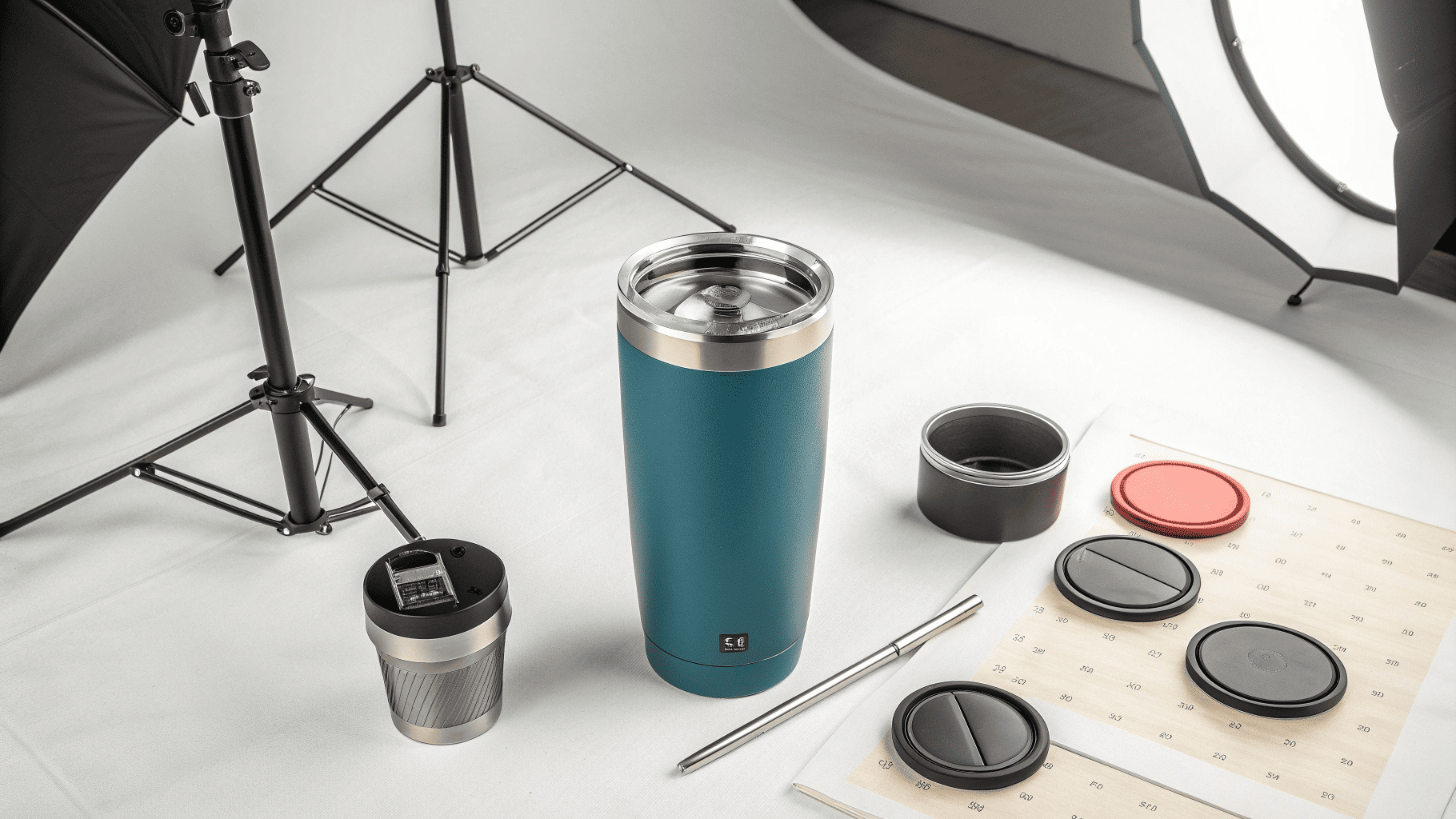
Stanley built their reputation on durability. But even Stanley tells customers not to put their vacuum-insulated products in dishwashers. This tells you something important. If the most recognized brand in insulated drinkware recommends hand washing, your products probably need the same care. When I talk with buyers who want to compete with Stanley, I point this out. Your products do not need to be dishwasher-safe to succeed. They need to match or exceed Stanley's performance. Then you need to educate your customers about proper care.
The lid exception is worth understanding. Stanley lids can handle dishwashers because they use different construction. The lids do not have vacuum seals. They use simpler gasket systems. The plastic or stainless steel in the lid is solid. No vacuum space exists. The dishwasher can clean these parts without damaging functionality. We use the same approach at Icobottle. Our lids can survive dishwasher cycles. But we still recommend hand washing the complete assembly. This keeps all the components in the best condition.
Stanley's care instructions also reveal another truth. Premium brands invest heavily in customer education. They include care cards with every product. They put instructions on their website. They create videos showing proper cleaning methods. They do this because they know dishwasher damage is the number one cause of customer complaints for insulated drinkware. When you source products for distribution in 2026, you need the same educational materials. I provide these materials to buyers who order from Icobottle. We create care instruction cards in English, French, and Spanish for the North American market. We design packaging that shows hand washing6 symbols clearly. This investment protects your brand reputation after the sale.
The real lesson from Stanley is this. They succeed despite requiring hand washing. Your customers will accept hand washing if you explain why. The explanation is simple. Hand washing protects the technology that keeps drinks hot or cold for hours. Customers value that performance. They will spend thirty seconds hand washing to preserve it. Your job as a distributor is to make this explanation clear before customers make their first purchase. Clear labeling, good packaging inserts, and honest product descriptions prevent problems. These tools cost very little compared to handling returns and negative reviews.
Conclusion
Dishwasher safety is not optional information for 2026 product launches. Clear labeling protects your business and helps your customers. Most quality insulated mugs need hand washing to maintain their performance.
-
Discover how powder coating enhances the appearance and durability of insulated mugs. ↩
-
Learn about the importance of vacuum seals in insulated mugs and how they affect temperature retention. ↩
-
Understanding the effects of dishwasher cycles can help prevent damage to insulated mugs. ↩
-
Explore the function of silicone components in insulated mugs and how they can be affected by dishwashing. ↩
-
Learn how quality control processes ensure the durability and performance of insulated mugs. ↩
-
Discover the benefits of hand washing insulated mugs to maintain their performance and appearance. ↩