
Worldwide Top 10 tumbler sizes and lid combos driving sales in 2026?
I received another inquiry last week asking about the "best-selling tumbler configurations." The buyer seemed confused by too many options. Most procurement officers waste hours comparing specifications that barely matter to actual sales.
The tumbler market centers around two dominant sizes: 40oz and 30oz. These capacities, paired with straw lids and handles, generate the highest order volumes. The 2-in-1 lid design and magnetic slide mechanism now define premium tiers in B2B catalogs.
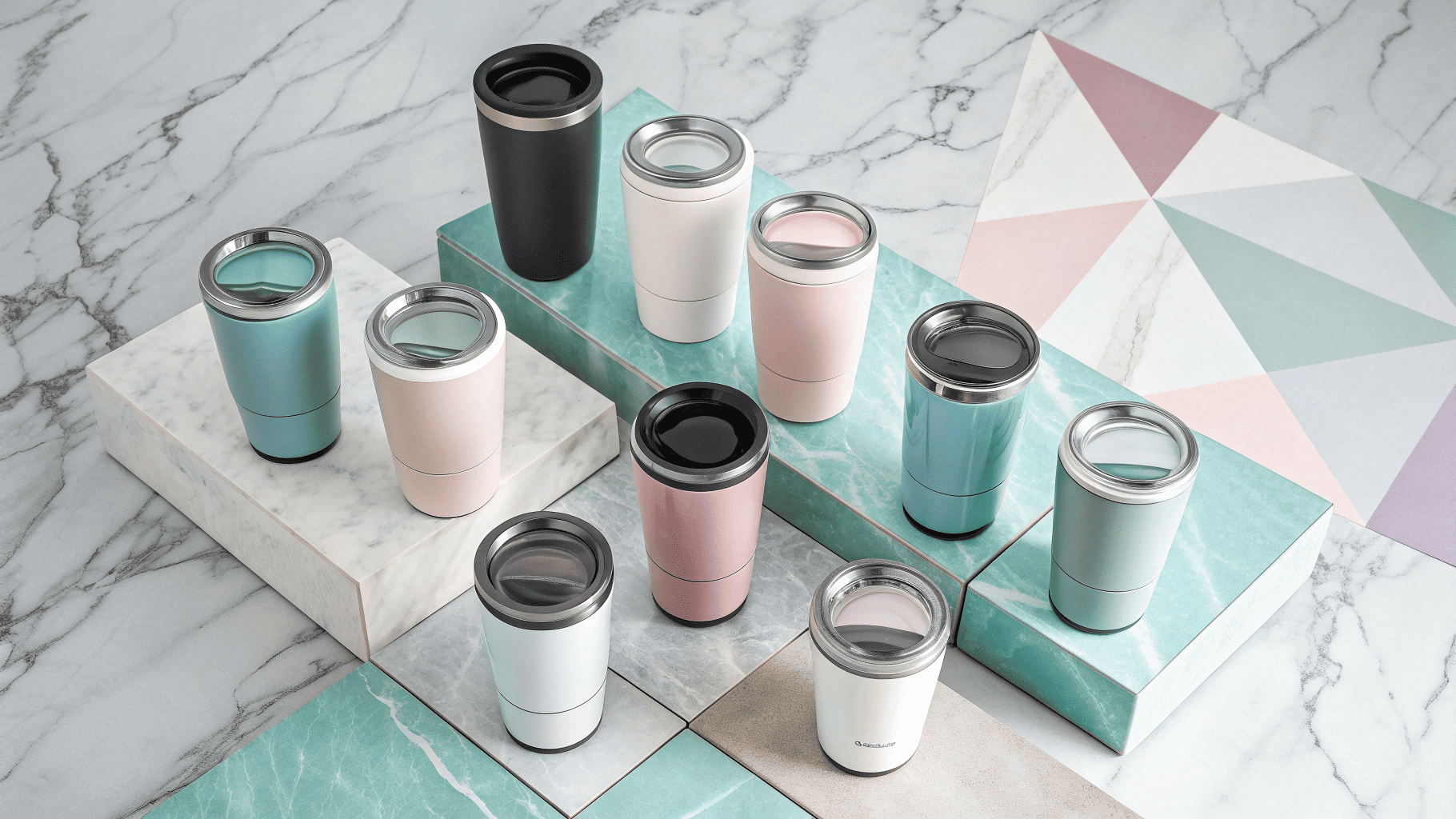
I started tracking tumbler specifications after watching several buyers struggle with product selection. They often choose wrong sizes or lid types. This leads to slow inventory turnover. The patterns became clear after reviewing hundreds of wholesale orders.
What is the number one tumbler brand?
You probably think Stanley owns the tumbler market. Many buyers assume brand recognition equals dominance. The reality reveals a more fragmented landscape where private label manufacturers1 hold significant market share.
Stanley leads in retail brand recognition, but the B2B wholesale market operates differently. Private label tumblers manufactured in China account for over 60% of global production volume. Brands like Yeti, RTIC, and Hydro Flask compete in specific segments.
The Private Label Reality
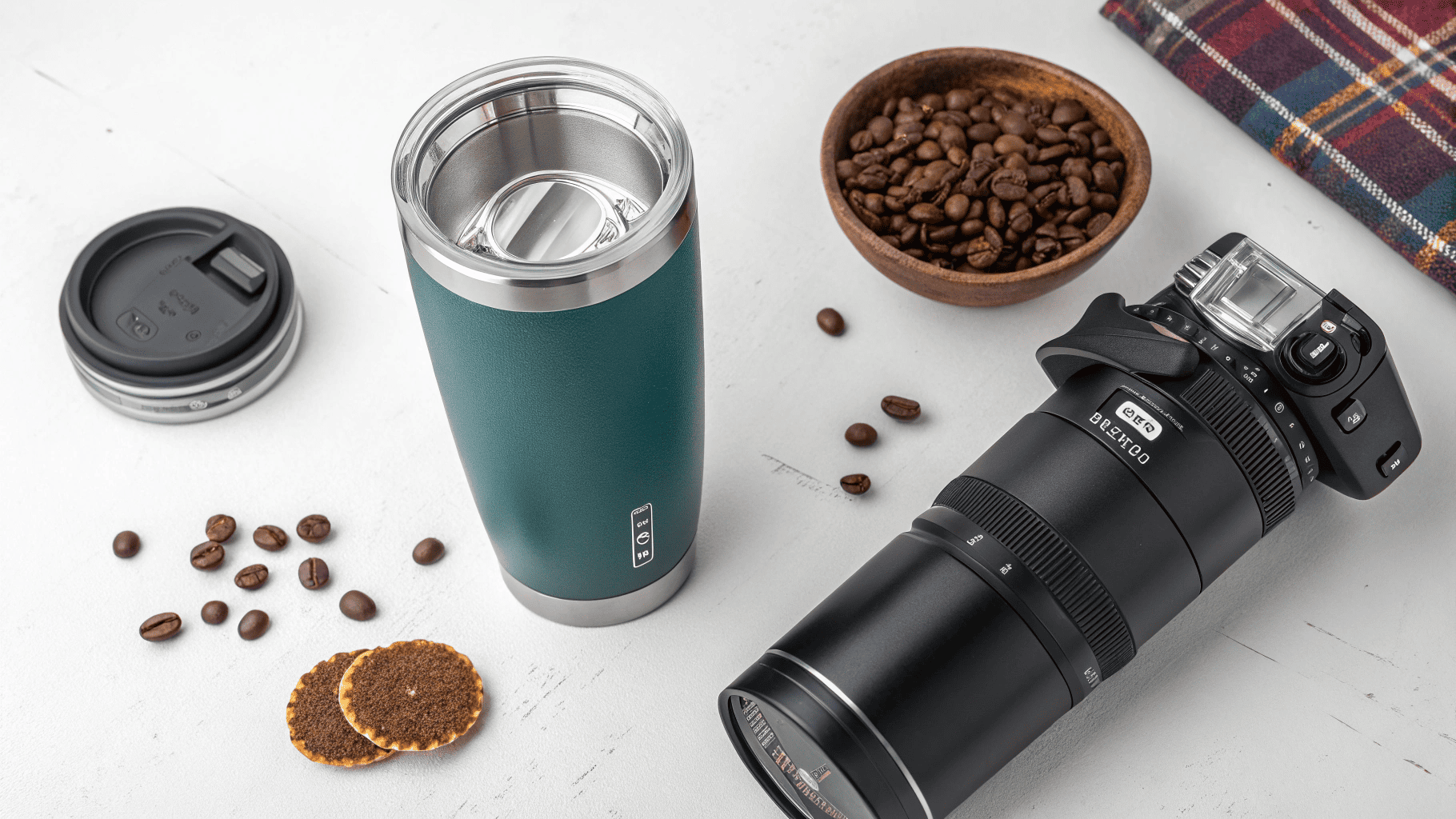
I work with buyers who purchase unbranded tumblers and apply their own logos. This model dominates the wholesale channel. Stanley's design became a template. We call it "Stanley-style" in supplier communications. The 40oz capacity with handle and straw lid became the baseline configuration. Every manufacturer now offers this format.
The brand question matters less than quality standards. Buyers care about 304 stainless steel, double-wall vacuum insulation, and certifications. I see purchase orders that specify "Stanley-type tumbler" without mentioning Stanley at all. The design became generic. The real competition happens in customization capabilities2, MOQ flexibility, and delivery timelines. Private label importers serve brands you see in retail stores. They just removed the Chinese manufacturer's name.
| Brand Type | Market Share | Primary Channel | Key Advantage |
|---|---|---|---|
| Stanley | ~15% | Retail direct | Brand recognition |
| Private Label | ~60% | B2B wholesale | Customization flexibility |
| Yeti/RTIC/Others | ~25% | Mixed channels | Niche positioning |
How big is the tumbler market?
The tumbler market feels saturated. You see them everywhere. Yet procurement volume keeps increasing year after year. This contradiction confuses many buyers who hesitate to enter the market.
Global stainless steel tumbler market reached $2.8 billion in 2024. Projections estimate $4.1 billion by 2028. North America and Europe represent 70% of consumption. China manufactures approximately 80% of worldwide supply.

Market Growth Drivers
The numbers tell one story. My inbox tells another. I receive 30-40 tumbler inquiries monthly. Five years ago, I got maybe five. The growth comes from three factors. First, single-use plastic regulations pushed consumers toward reusable containers. California's legislation created a ripple effect. Second, the work-from-home trend increased beverage consumption throughout the day. People want their drinks at specific temperatures for hours. Third, customization became affordable at lower MOQs.
I watched this market expand beyond outdoor enthusiasts. Office workers, students, healthcare professionals—everyone carries a tumbler now. The 40oz size gained traction because it reduces refill frequency. Buyers purchase tumblers as corporate gifts, promotional items3, and retail inventory. The market segment diversified. Coffee shops order 14oz tumblers. Gyms prefer 30oz. Outdoor retailers stock 50oz formats. Each segment generates consistent reorder volume. The "saturated" perception doesn't match actual B2B demand patterns I observe daily.
What tumbler holds ice the longest?
Your customers ask about ice retention. They want specific hour counts. This question drives many purchase decisions. The answer depends on several technical factors beyond just insulation quality.
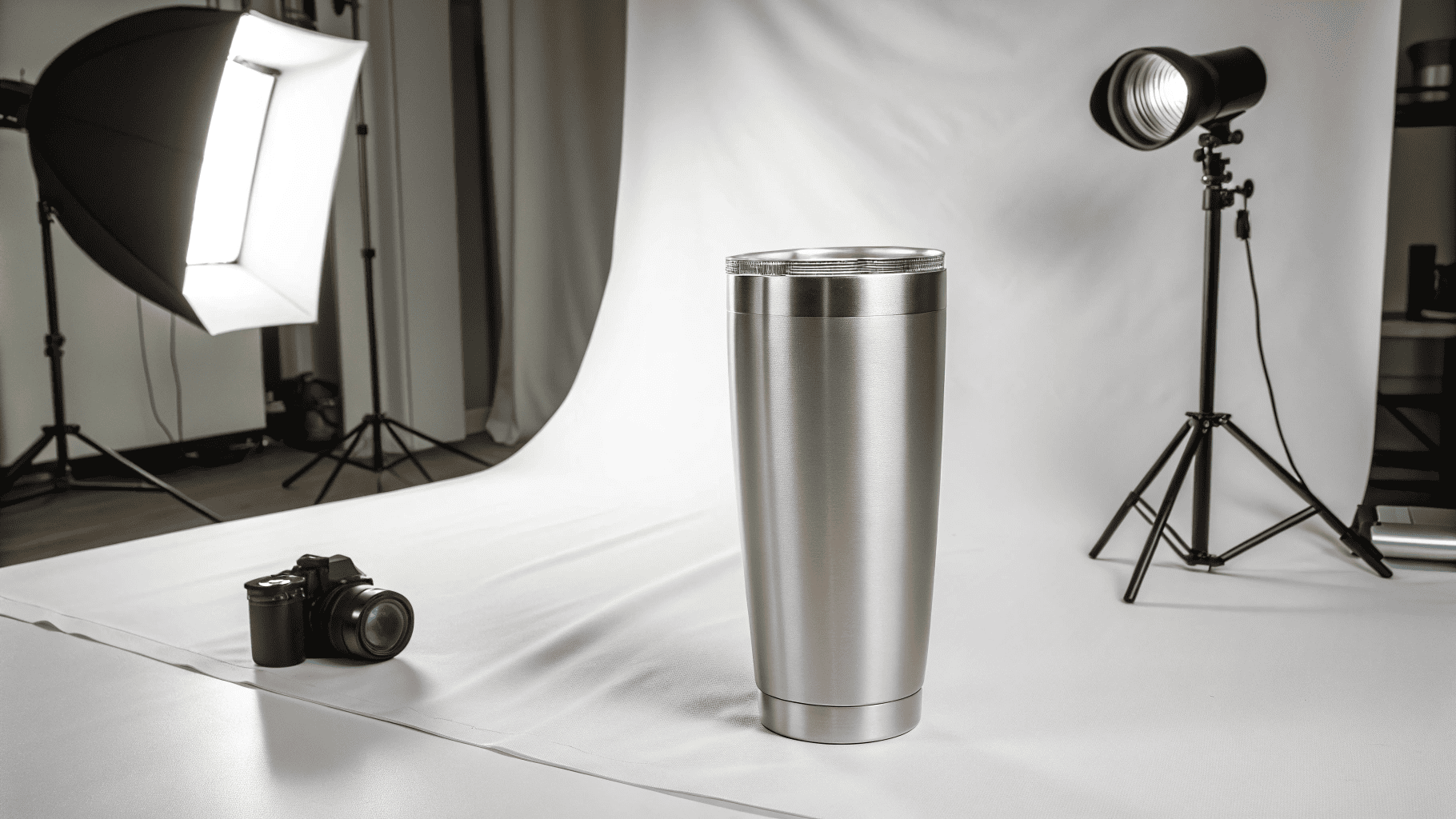
Double-wall vacuum insulated tumblers with 304 stainless steel maintain ice for 24-36 hours under normal conditions. Wall thickness, lid seal quality4, and vacuum pressure determine actual performance. Premium constructions extend this to 48 hours.
Technical Factors in Ice Retention
I tested this myself. I filled multiple tumbler samples with ice and measured melting time. The results surprised me. Wall thickness made the biggest difference. Tumblers with 0.5mm walls performed poorly. Those with 0.8mm walls lasted much longer. The vacuum quality mattered more than I expected. Cheap manufacturers skip proper vacuum sealing. You cannot see this defect during inspection. It only shows up during use.
The lid creates the critical failure point. Heat enters primarily through the lid opening. A poorly designed lid ruins even the best insulation. I now prioritize lid seal quality during factory audits. Silicone gaskets must fit precisely. The straw hole needs a tight-closing mechanism. Magnetic slide lids perform better than flip-style lids in my testing. They create better seals. The 2-in-1 lid design introduces more potential air gaps. Buyers who prioritize ice retention should avoid overly complex lid mechanisms.
Copper lining adds another performance layer. Some manufacturers apply copper coating to interior walls. This reflects heat back. The improvement reaches about 15% better retention. But it increases cost. Most B2B buyers skip this feature. They balance performance against price sensitivity. I recommend copper lining only for premium product lines targeting outdoor sports segments.
Top 10 Tumbler Configurations
The actual sales data shows clear patterns. I compiled this from multiple supplier order histories and my own transaction records.
| Rank | Capacity | Lid Type | Handle | Primary Use Case | Typical MOQ |
|---|---|---|---|---|---|
| 1 | 40oz | Straw lid | Yes | All-day hydration | 500-1000 pcs |
| 2 | 30oz | Straw lid | Yes | Standard daily use | 500-1000 pcs |
| 3 | 40oz | 2-in-1 lid | Yes | Versatile consumer | 1000 pcs |
| 4 | 20oz | Straw lid | Optional | Commuter/car | 1000 pcs |
| 5 | 30oz | Magnetic slide | Yes | Premium segment | 1000-2000 pcs |
| 6 | 14oz | Flip lid | No | Coffee focus | 500 pcs |
| 7 | 24oz | Straw lid | Yes | Gym/fitness | 1000 pcs |
| 8 | 50oz | Straw lid | Yes | Outdoor/travel | 1000-2000 pcs |
| 9 | 40oz | Flip lid | Yes | Office/desktop | 1000 pcs |
| 10 | 32oz | 2-in-1 lid | Yes | General retail | 1000 pcs |
The 40oz with straw lid dominates for a reason. It matches consumer behavior patterns. People fill it once in the morning. It lasts all day. The handle makes it portable. The straw allows drinking while driving. This configuration checks every practical requirement.
I notice the 30oz maintains strong position as a slightly more compact alternative. Some buyers prefer it because it fits car cup holders better. The 40oz sometimes tips in smaller vehicles. Market segmentation appears at the extremes. The 14oz targets coffee shops and café culture. The 50oz serves outdoor adventure retailers. Smart buyers stock multiple sizes to capture different customer segments.
Lid innovation became the differentiation point. The 2-in-1 lid offers both straw and regular drinking options. This appeals to buyers who want product versatility. Magnetic slide lids command premium pricing. They look sophisticated. They seal better than flip lids. But they cost more to manufacture. I see buyers split between prioritizing function versus aesthetics.
Certification Requirements
Every serious buyer asks about certifications. The standards vary by target market. I keep a checklist during supplier evaluation.
FDA approval matters for U.S. markets. LFGB certification covers European requirements. California Proposition 65 compliance eliminates lead and heavy metal concerns. These certifications are non-negotiable for established importers. New buyers sometimes try to skip them. This creates problems later. Customs might reject shipments. Retailers refuse uncertified products.
I encountered a situation last year. A buyer ordered 5000 pieces without requesting certificates. The container arrived in Los Angeles. Customs held it for inspection. The supplier had not completed CA65 testing. The entire shipment sat for six weeks. The buyer missed the summer sales season. He lost money on storage fees. The lesson costs more than just asking for certificates upfront.
Customization Options
The commodity nature of tumblers forces buyers to differentiate through customization. I see four main customization categories. Logo application includes laser engraving, screen printing, and heat transfer. Powder coating allows unlimited color options. Custom lid colors and components create unique combinations. Packaging design completes the brand presentation.
Laser engraving works best for corporate gifts and premium lines. It lasts forever. Screen printing costs less for large volumes. Heat transfer enables full-color graphics. Each method suits different buyer strategies. I help buyers match customization to their price points and target markets.
The MOQ for customization dropped significantly. Five years ago, you needed 3000 pieces minimum for custom powder coating. Now factories accept 500 pieces. This lowered the barrier for small brands and startups. The market became more accessible. Competition increased. But so did opportunities for differentiation.
Conclusion
The tumbler market centers on practical sizes and functional lid designs. The 40oz and 30oz capacities with straw lids drive most sales. Success requires balancing quality standards, customization options, and realistic MOQs.
-
Discover the benefits of private label tumblers for businesses looking to brand their products. ↩
-
Explore various customization options to make your tumblers unique and appealing. ↩
-
Learn how tumblers serve as effective promotional items for businesses and events. ↩
-
Understand how lid seal quality affects insulation and overall performance of tumblers. ↩
