
Which insulated tumbler finishes reliably pass salt spray and abrasion tests?
I have seen buyers lose thousands of dollars because their tumbler finishes failed after a few months. The coating peeled off. The color faded. Customers complained and returned products. This happens when suppliers use cheap finishes that cannot pass basic quality tests.
High-grade powder coating with proper curing passes salt spray tests1 lasting 48-72 hours. Uncoated brushed stainless steel offers the best corrosion resistance naturally. For abrasion resistance, look for finishes that survive 500+ tape test cycles. These test results separate reliable suppliers from risky ones.
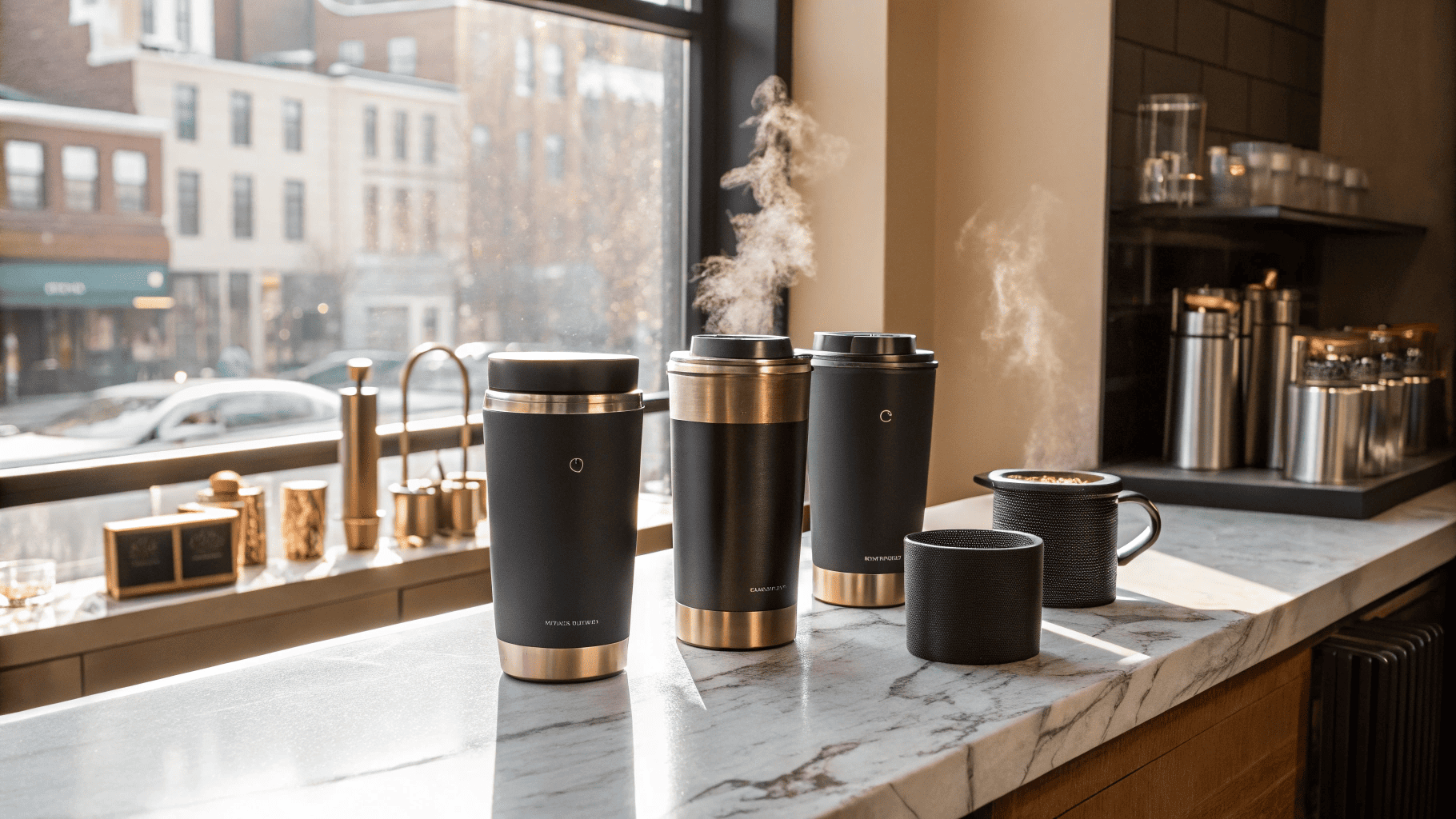
I learned this lesson the hard way when a European buyer canceled a second order because the first batch showed rust spots after three months. The supplier had skipped salt spray testing. Since then, I always request third-party test reports before confirming any order. Let me share what I have learned about tumbler finishes and the standards they must meet.
Which stainless steel is best for tumblers?
Most buyers ask about stainless steel grades but many suppliers give vague answers. The wrong grade leads to rust complaints. Your customers will blame you, not the factory. This damages your brand reputation and costs you repeat business.
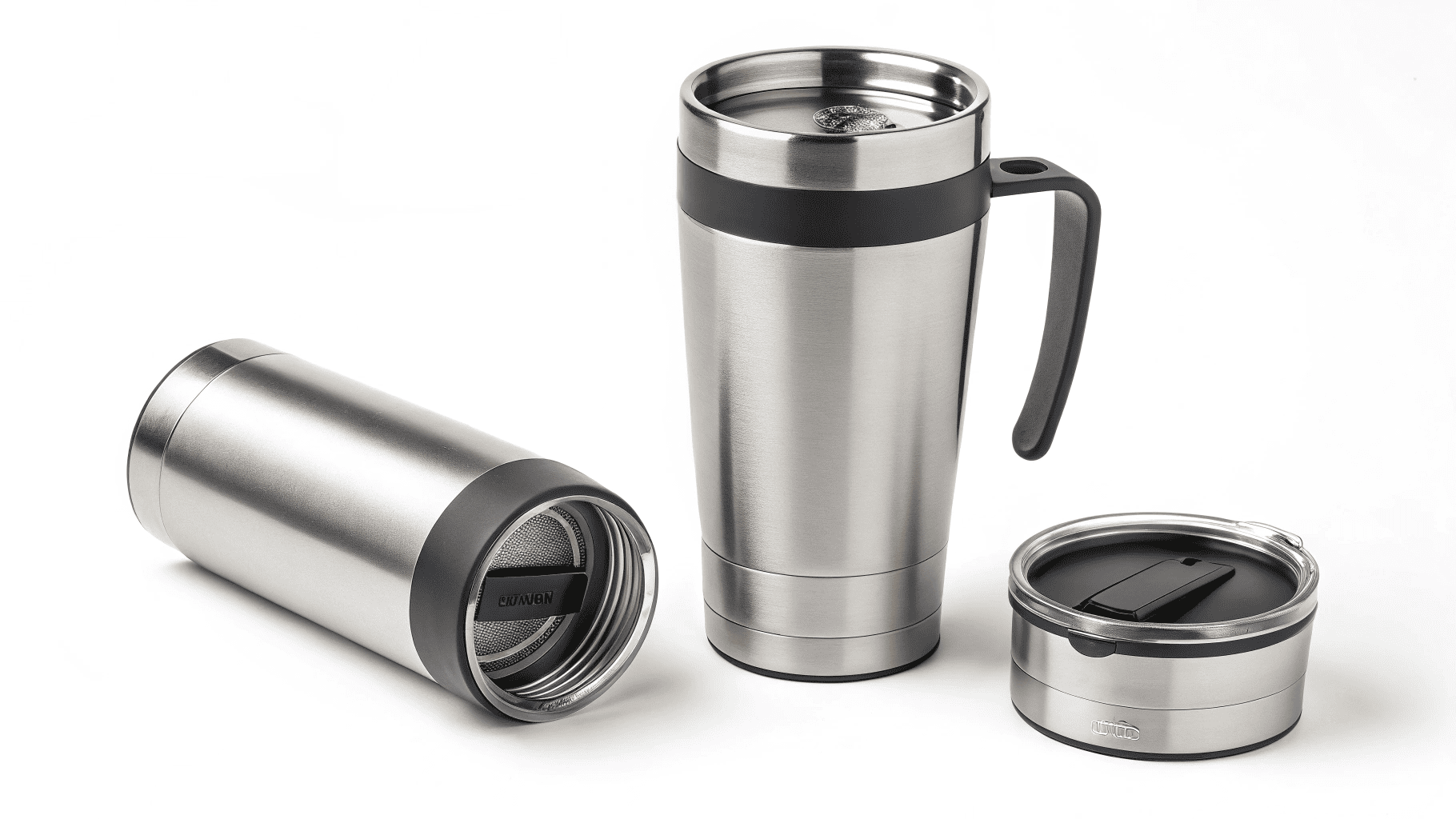
304 food-grade stainless steel with 18/8 composition is the industry standard for quality tumblers. This grade contains 18% chromium and 8% nickel. It resists rust, does not transfer flavors, and meets food safety standards in America and Europe.
Why 304 stainless steel beats other grades
I source tumblers from multiple factories. The best ones use genuine 304 stainless steel for both the inner and outer walls. Some suppliers try to cut costs by using 201 grade instead. The difference shows up after a few months of use.
| Steel Grade | Chromium | Nickel | Rust Resistance | Food Safety | Cost |
|---|---|---|---|---|---|
| 304 (18/8) | 18% | 8% | Excellent | FDA approved | Standard |
| 201 | 17% | 4.5% | Poor | Not recommended | 15% cheaper |
| 316 | 16-18% | 10-14% | Superior | FDA approved | 30% higher |
The 304 grade does not corrode in normal conditions. It handles acidic drinks like coffee and citrus juice without issues. The material is lead-free and does not leach chemicals. When I ship to Canada or America, buyers specifically request 304 because it meets FDA standards.
Some suppliers claim they use 304 but actually provide 201 to save money. I test samples with a stainless steel testing solution before placing bulk orders. The solution changes color when it touches 201 grade steel. This simple test has saved me from several bad suppliers.
How to verify your supplier uses real 304 steel
Ask for the material certificate from the steel mill. Real factories will provide this document without hesitation. The certificate shows the exact chromium and nickel content. You can also request SGS testing for the raw material.
I once worked with a buyer who purchased 5000 tumblers without checking the steel grade. After six months, his customers reported rust rings at the bottom. He could not sell the remaining inventory. The supplier had used 201 steel but claimed it was 304. This mistake cost him the entire investment.
What tumbler keeps drinks cold the longest?
Temperature performance is the main selling point for insulated tumblers. Your customers buy these products because they want their drinks to stay cold or hot. If your tumblers fail this basic test, you will get returns and negative reviews.
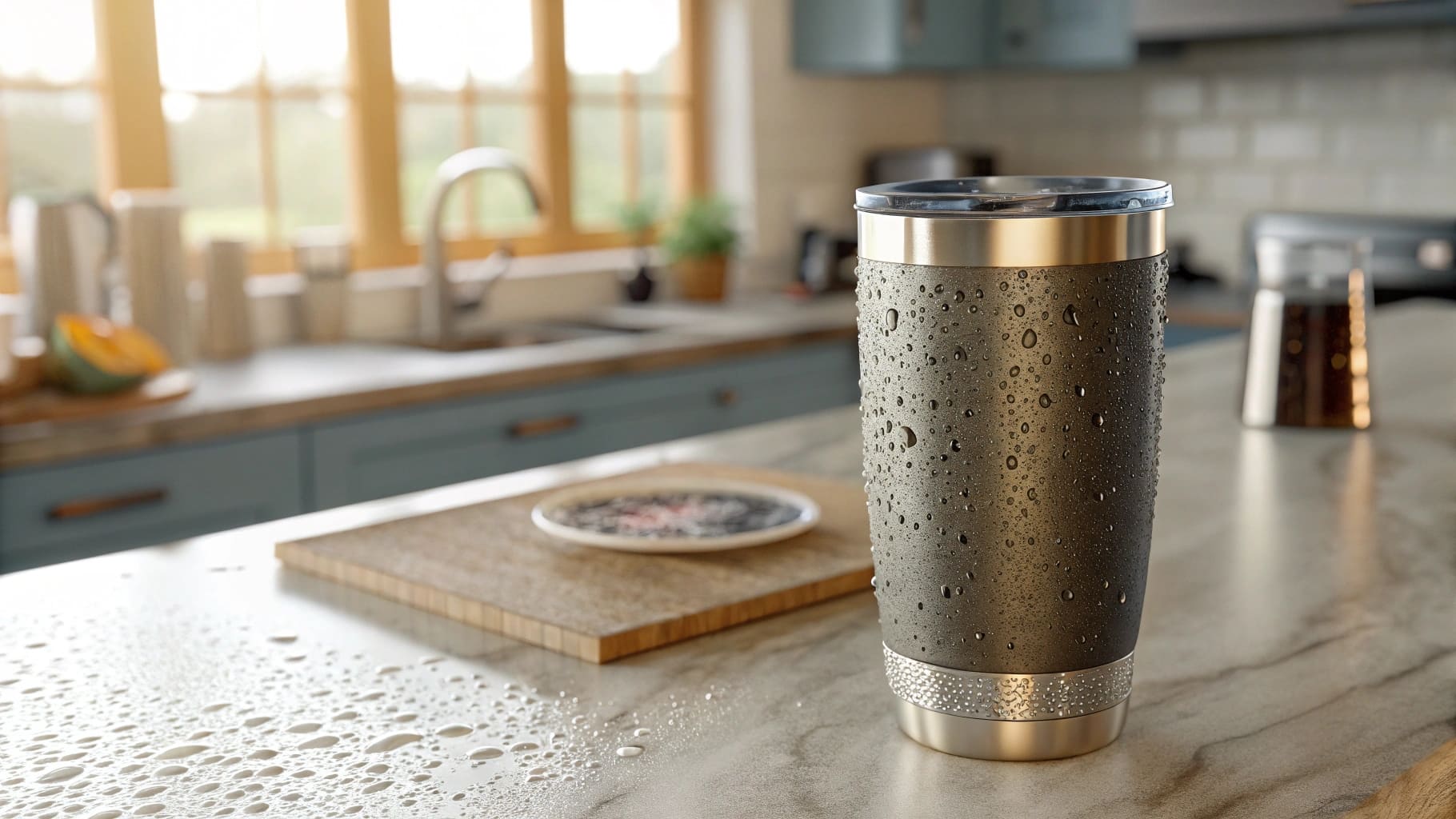
Double-wall vacuum insulation keeps cold drinks icy for 24 hours and hot drinks warm for 12 hours. The vacuum layer between two steel walls stops heat transfer. This technology works better than foam or air gap insulation.
The science behind vacuum insulation performance
Heat moves in three ways: conduction, convection, and radiation. Regular double-wall tumblers with air gaps only block conduction. The air inside still allows convection, which reduces performance. Vacuum insulation removes the air completely.
I test temperature retention before shipping large orders. I fill tumblers with ice water at 2°C and measure the temperature after 24 hours. Good tumblers stay below 8°C. I also test hot water at 95°C for 12 hours. The temperature should remain above 50°C.
Some factories add copper plating to the inner wall. This blocks radiation heat transfer and improves performance by another 10-15%. Premium tumblers use this technique. The copper layer is thin but makes a real difference in test results.
Factors that affect real-world performance
The test results depend on several conditions. A 30oz tumbler holds temperature longer than a 20oz because it has more liquid mass. The lid quality matters too. Cheap lids let heat escape through gaps. I recommend lids with rubber gaskets that seal completely.
Ambient temperature changes everything. A tumbler that keeps ice for 24 hours in an air-conditioned office might only last 16 hours in a hot car. Tell your customers these realistic expectations to avoid complaints.
The liquid volume also impacts performance. A tumbler filled to 80% capacity performs better than one filled to 100%. The air space at the top acts as an extra insulation layer. I include these usage tips in the product manual.
Is a ceramic-lined tumbler better than stainless steel?
Some suppliers promote ceramic-lined tumblers2 as premium products. They claim ceramic removes metallic taste and feels better. Buyers often ask me if they should pay extra for this feature. The answer depends on your target market.
Stainless steel interiors work better for most B2B applications because they handle rough use without chipping. Electro-polished stainless steel prevents odor retention and flavor transfer. Ceramic coatings can crack or peel with heavy use.

Why stainless steel interiors dominate the market
I have tested both types extensively. The electro-polished 304 stainless steel interior does not hold any odor. You can put coffee in the tumbler one day and water the next day. The water tastes clean with no coffee smell.
Ceramic coatings look nice when new but they have weaknesses. The coating is usually 0.2-0.5mm thick. Drop the tumbler or knock it against a hard surface and the ceramic can chip. Once chipped, the exposed steel underneath may rust if it is not 304 grade.
| Feature | Stainless Steel | Ceramic Lined |
|---|---|---|
| Durability | Excellent | Chips easily |
| Odor retention | None (if electro-polished) | Very low |
| Dishwasher safe | Yes | Sometimes |
| Cost | Standard | 20-30% higher |
| Repair | Not needed | Cannot fix chips |
Dishwasher use is another issue. Harsh detergents and high heat can damage ceramic coatings over time. Stainless steel handles hundreds of dishwasher cycles without problems. For buyers selling to restaurants or offices, this durability matters.
When ceramic linings make sense
Some health-conscious consumers worry about metal contact with drinks. They prefer ceramic even though quality stainless steel is completely safe. If your market includes these buyers, ceramic-lined tumblers can justify the premium price.
The ceramic coating also helps with certain acidic drinks. While 304 stainless steel resists corrosion, some people report a slight metallic taste with very acidic beverages. Ceramic eliminates this concern completely.
I recommend stainless steel for 90% of buyers. The ceramic option works for niche markets where customers specifically request it and understand they need to hand wash the tumbler carefully. The extra cost rarely provides enough benefit for mass market sales.
Conclusion
Reliable tumbler finishes must pass 48-72 hour salt spray tests and 500+ cycle abrasion tests. Use 304 stainless steel with double-wall vacuum insulation. Request third-party test reports before placing bulk orders.
