
How to price insulated tumblers: tiered MOQ, EXW/FOB, and margin guard in 2026?
You struggle with tumbler pricing. Your competitors undercut you. Your margins vanish.
Calculate your base cost using EXW or FOB terms. Add customization fees per unit. Include packaging costs between $0.15 to $1.20 per piece. Factor in shipping methods1 and MOQ discounts. Apply your target margin percentage to reach the final selling price.
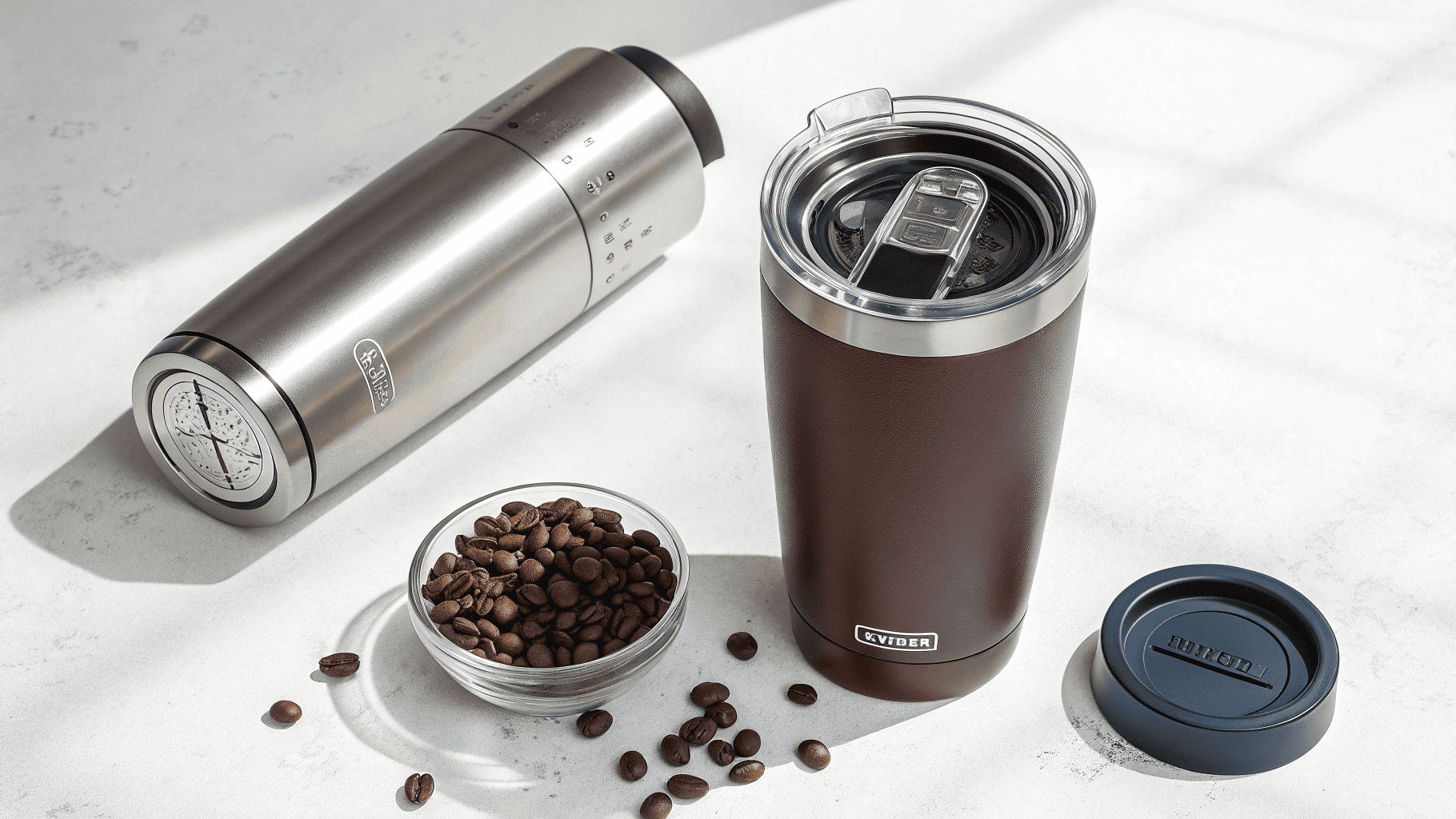
I learned this lesson the hard way when a client from Toronto ordered 500 tumblers last year. He chose the cheapest white box packaging. His retail customers complained about the unboxing experience. He lost accounts to a competitor who paid $0.80 more per unit for custom gift boxes. The competitor charged the same retail price but created a premium perception. My client came back three months later. He wanted to start over with better packaging.
How much to sell custom tumblers for?
You need a clear pricing formula. Your cash flow depends on it. Your business survival requires accurate calculations.
Start with manufacturer's EXW price and add logistics costs. Include customization fees2 based on printing method. Add packaging expenses and your target profit margin. The final number is your selling price to customers.
I work with a payment structure that requires 30% upfront. The remaining 70% comes after production. This timing affects your working capital. You need to plan your cash reserves accordingly. Most buyers miss this critical detail.
The manufacturer's base price changes with order volume. A 500-piece order costs more per unit than a 5,000-piece order. I recently quoted a startup founder from Seattle. She wanted 300 tumblers for a product launch. The unit cost was $4.80 EXW. Another client ordered 3,000 units. His unit cost dropped to $3.20 EXW. The volume difference saved him $1.60 per tumbler.
You need to understand FOB versus EXW pricing. EXW means you handle everything from my factory door. FOB means I arrange inland transport to the Chinese port. The difference typically adds $0.15 to $0.30 per unit. Your freight forwarder might charge more for EXW pickups.
Shipping method selection changes your total landed cost dramatically. Express shipping takes 5-7 days but costs $8-15 per tumbler. Sea freight takes 30-45 days but costs only $0.80-1.50 per tumbler. Air freight sits in the middle at 12-18 days and $3-6 per tumbler. Your sales timeline determines which method makes sense.
Here's a real pricing breakdown I use:
| Cost Component | Budget Option | Premium Option |
|---|---|---|
| EXW Price (1000pcs) | $3.50 | $4.20 |
| Silk Screen Logo | $0.25 | - |
| Sublimation Print | - | $0.65 |
| White Box | $0.15 | - |
| Custom Gift Box | - | $0.85 |
| FOB to Port | $0.20 | $0.20 |
| Sea Freight | $1.10 | $1.10 |
| Total Landed Cost | $5.20 | $7.00 |
| Suggested Retail (2.5x) | $13.00 | $17.50 |
Material costs keep rising. 304 stainless steel prices increased 12% between 2024 and 2025. I expect another 8-10% increase through 2026. BPA-free silicone components also cost more now. Your 2026 pricing must account for these material shifts.
How to package custom tumblers?
Your packaging choice affects perceived value. Customers judge quality before opening the product. Poor packaging kills premium pricing strategies.
Choose white boxes for wholesale distribution and cost control. Select custom gift boxes for retail and corporate gifts. Use cylinder boxes for single-tumbler premium presentation. Pick bubble bags for event giveaways and promotional campaigns.
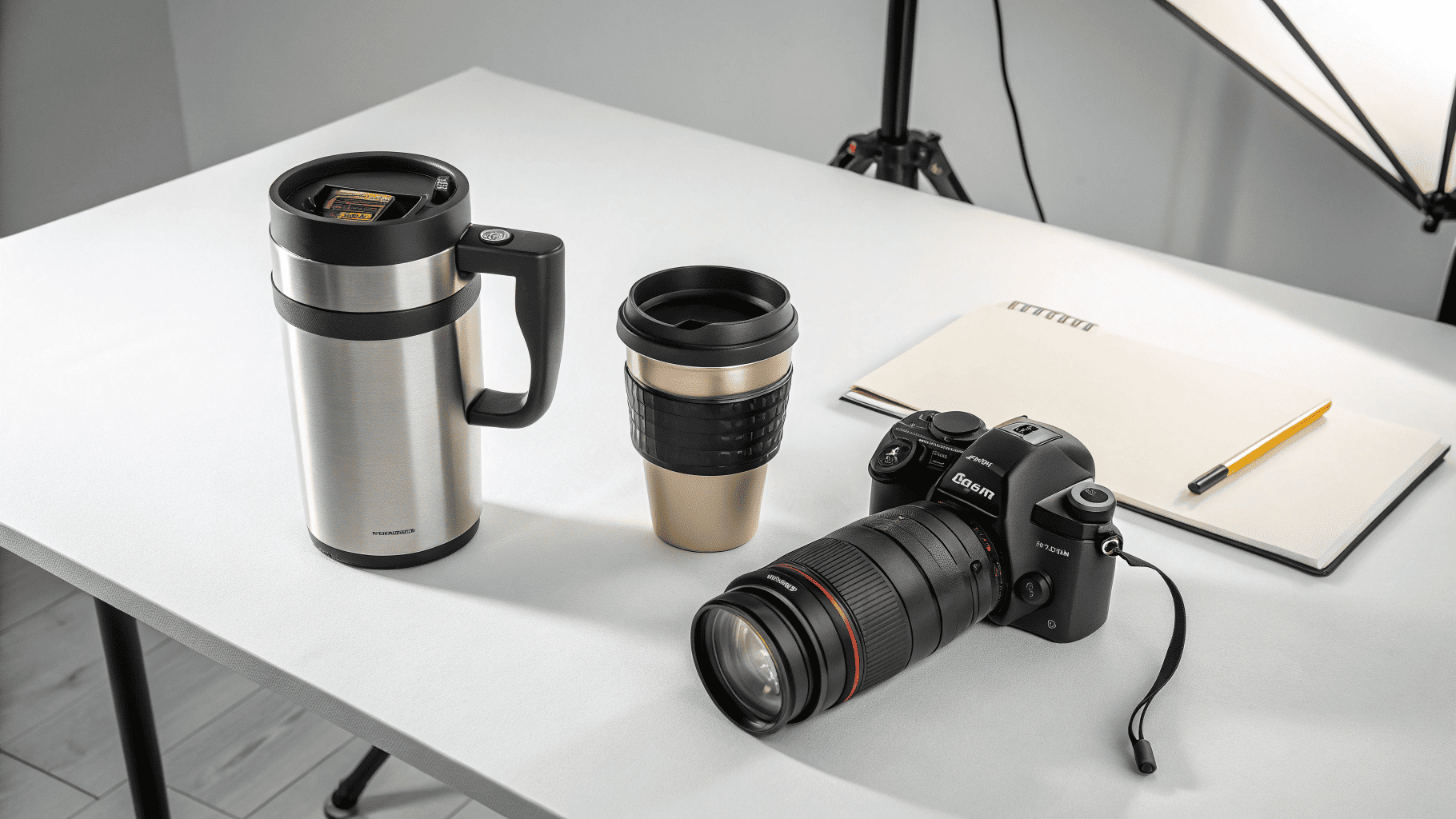
I shipped an order to a Canadian distributor last month. He sold tumblers to outdoor recreation stores. We used standard white boxes. His retail partners added their own shelf packaging. The white box cost $0.15 per unit. It protected the product during sea freight. His business model worked because retailers controlled the final presentation.
A different client targets corporate gift buyers in New York. She needs premium unboxing experiences. We developed custom gift boxes3 with magnetic closures. The interior includes molded foam inserts. We added product care cards and sustainability messaging. These boxes cost $0.85 per unit. She charges $32 per tumbler retail. Her customers perceive the product as luxury. The packaging investment returns through higher margins.
Cylinder boxes create striking shelf presence. These work well for single-tumbler gifts. The round shape matches the product form. I use these for clients selling in specialty gift shops. The cost runs $0.60 to $0.95 depending on printing complexity. One client from Vancouver uses cylinder boxes with window cutouts. Customers see the tumbler color before purchase. His conversion rates increased after switching from standard boxes.
Eggcrate packaging serves high-volume shipments. These cardboard dividers prevent tumbler-to-tumbler contact during transport. I recommend eggcrates when shipping cases of 24 or 48 units. The cost per unit drops to $0.08. Your warehouse receiving team appreciates the organized unpacking.
Bubble bags offer the lowest cost protection. These work for promotional events and trade show giveaways. The cost sits around $0.05 per bag. I shipped 5,000 tumblers in bubble bags to a tech conference sponsor. They distributed tumblers from booth boxes. Individual retail packaging was unnecessary. The budget allocation went to better printing instead.
Your packaging decision should match your sales channel:
| Sales Channel | Recommended Packaging | Cost Range | Margin Impact |
|---|---|---|---|
| Wholesale Distribution | White Box | $0.15-0.25 | Standard |
| Retail Stores | Custom Gift Box | $0.60-1.20 | +20-30% |
| Corporate Gifts | Cylinder Box | $0.60-0.95 | +25-35% |
| Event Giveaways | Bubble Bag | $0.05-0.10 | Economy |
| E-commerce Direct | Custom Gift Box | $0.60-1.20 | +15-25% |
The packaging investment creates competitive advantages. You justify higher prices through better presentation. Your repeat purchase rate improves when customers feel they received premium products.
How to seal a design on a tumbler?
Design durability determines customer satisfaction. Fading logos create return requests. Poor adhesion generates negative reviews.
Use sublimation transfer4 for permanent, dishwasher-safe graphics. Choose silk screen printing for simple, bold logos with excellent durability. Select heat transfer for photographic quality designs. Apply water transfer for full-surface wraparound patterns.
A client learned this lesson expensively last year. He chose the cheapest printing option without asking about durability. We used basic heat transfer. His customers washed the tumblers in dishwashers. The designs started fading after ten wash cycles. He received 47 complaints in three weeks. We had to remanufacture the entire order with sublimation printing. The replacement cost eliminated his profit on that order.
Sublimation transfer creates the most permanent results. This method infuses ink into a special coating on the tumbler surface. The graphic becomes part of the product rather than sitting on top. Sublimation requires specific equipment including heat presses, sublimation ink, and transfer paper. The setup cost runs higher but the per-unit cost drops at volume. I recommend sublimation when your customers will use tumblers daily and wash them frequently.
The process requires a white or light-colored base coating. Dark tumblers need an additional white base layer before sublimation. This adds $0.15 to $0.20 per unit. The finished graphic resists scratching, fading, and peeling. Your customers can put these tumblers in dishwashers without degradation.
Silk screen printing offers excellent durability for simple designs. This method applies ink through mesh screens onto the tumbler surface. Each color requires a separate screen. Setup costs include screen making at $45-80 per color. The per-unit printing cost drops to $0.18-0.30 for simple logos. I recommend screen printing when you have established designs that won't change frequently.
Screen printed graphics survive thousands of wash cycles. The ink bonds chemically with the tumbler surface. Your design changes require new screens. This affects your product development flexibility. One client maintains twelve standard colorways using screen printing. He orders 2,000 units per colorway twice yearly. The screen cost amortizes across high volumes.
Heat transfer printing provides photographic quality results. This method applies pre-printed designs using heat and pressure. You can create complex, multi-color graphics without screen costs. The per-unit cost runs $0.35-0.55. Heat transfer works well for limited editions and test designs. The durability sits below sublimation but above basic stickers.
Water transfer printing creates full-surface coverage patterns. This technique uses water-soluble films that wrap around the entire tumbler. You achieve patterns impossible with flat printing methods. The cost runs $0.80-1.40 per unit. I use water transfer for premium collections with marble effects, woodgrain patterns, or complex camouflage designs.
Your printing choice affects inventory management:
| Printing Method | Setup Cost | Per-Unit Cost | Durability | Best For |
|---|---|---|---|---|
| Sublimation | $200-400 | $0.40-0.65 | Excellent | Daily use products |
| Silk Screen | $45-80/color | $0.18-0.30 | Excellent | Standard SKUs |
| Heat Transfer | $50-120 | $0.35-0.55 | Good | Limited editions |
| Water Transfer | $150-300 | $0.80-1.40 | Very Good | Premium patterns |
You need to amortize tooling costs across projected volumes. A $300 sublimation setup divided by 1,000 units adds $0.30 per tumbler. The same setup over 5,000 units only adds $0.06 per tumbler. Your order volume strategy directly impacts your unit economics.
I help clients create design families that share base tooling. One customer uses three logo sizes across eight tumbler models. We created screens once and use them across multiple products. This approach reduces your new product introduction costs and improves margin efficiency.
Conclusion
Your tumbler pricing strategy combines manufacturer costs, packaging choices, and printing durability. Calculate each component carefully. Test different combinations before committing to large volumes.
-
Explore various shipping methods to find the most cost-effective options for your business. ↩
-
Understanding customization fees is essential for accurate pricing and profitability. ↩
-
Explore design options for custom gift boxes that enhance customer experience. ↩
-
Discover why sublimation transfer is the best choice for durable and vibrant designs. ↩
