
Metal water bottle cup holder fit: what diameters to specify in RFQs properly?
I lost a $50,000 order because the bottles didn't fit cup holders. My client tested the samples in their cars. The bottles tipped over every time. I learned my lesson the hard way about base diameters.
Standard cup holders fit bottles with base diameters between 2.5 to 3.5 inches (65-90mm). The safest specification for RFQs is 2.75-3.0 inches (70-76mm) at the base. This ensures your bottles fit most vehicle cup holders in North America and Europe.
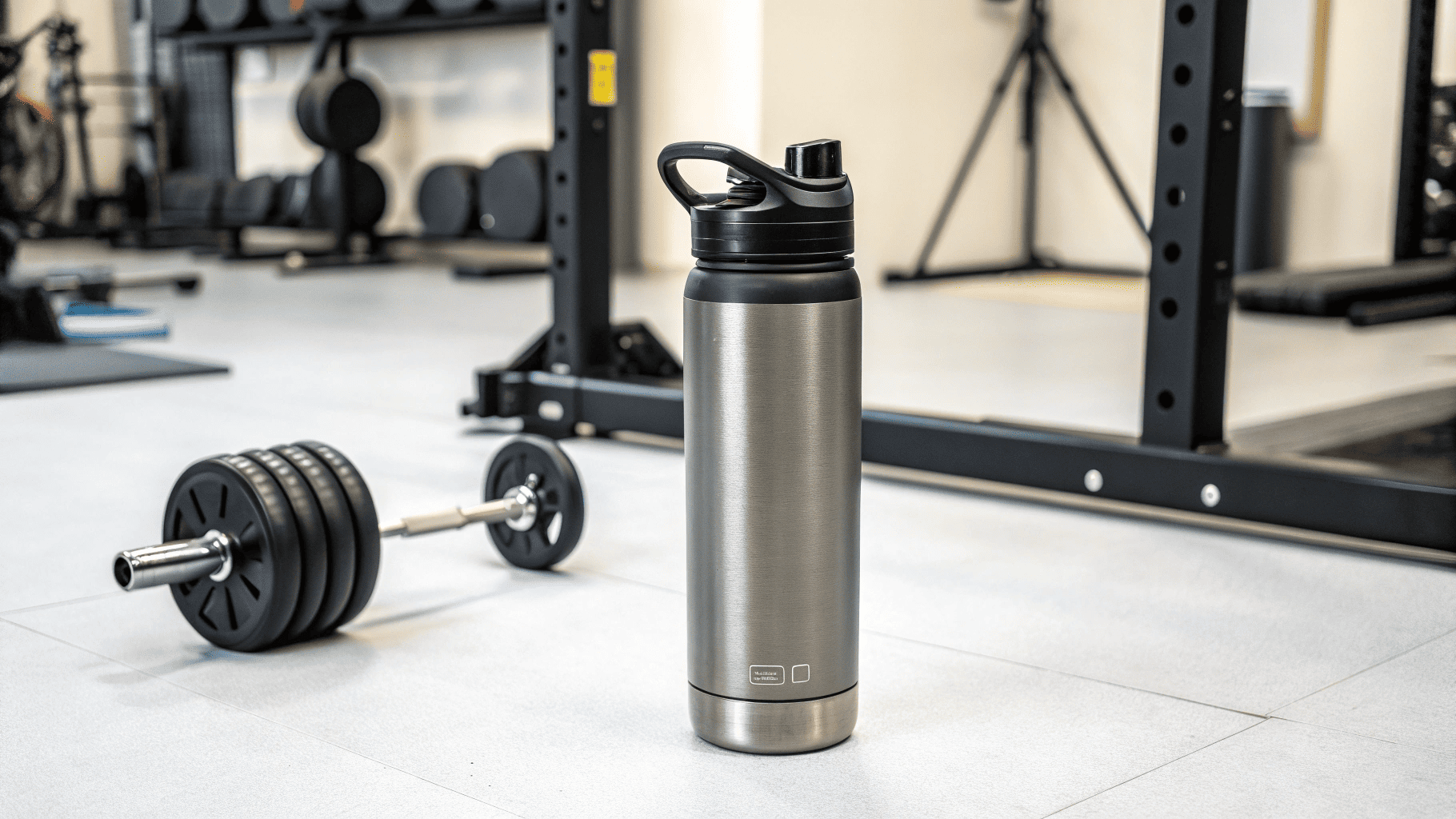
I've been sourcing stainless steel water bottles from China for eight years. Cup holder compatibility is the detail that makes or breaks a product line. Your customers will return entire shipments if bottles don't fit their cars. Let me share what I specify in every RFQ now.
What diameter is a standard cup holder?
I measure cup holders differently now after that disaster. I used to think one size fits all. I was wrong. Cup holders vary more than you'd expect.
Vehicle cup holders in North America typically measure 2.5 to 3.5 inches (65-90mm) in diameter. Most manufacturers design around 2.75 to 3.0 inches (70-76mm). European vehicles often feature slightly smaller openings. Asian market vehicles show the widest variation.

The cup holder diameter you must know
I test every new bottle design1 in three vehicles before I approve production. I use a Ford F-150, a Honda Civic, and a Tesla Model 3. These represent my main markets. The Ford has the largest cup holders at 3.2 inches. The Honda sits at 2.9 inches. The Tesla measures exactly 2.8 inches.
I specify 2.9 inches (74mm) as the maximum base diameter in all my RFQs. This number works across all three test vehicles. I add a note requesting taper angles when the bottle body expands for larger capacities. The taper must start within one inch of the base. This keeps the center of gravity low.
I learned to request sample testing documentation2 from suppliers. I ask them to photograph bottles in actual cup holders. Some suppliers in Guangdong now offer this as standard practice. They keep test vehicles at their facilities. This saves me time and prevents costly mistakes.
Here's my specification table for base diameters:
| Capacity | Base Diameter | Body Diameter | Height Range |
|---|---|---|---|
| 12-18oz | 2.6-2.8" (66-71mm) | 2.8-3.0" (71-76mm) | 6-8" |
| 20-25oz | 2.7-2.9" (69-74mm) | 3.0-3.3" (76-84mm) | 8-10" |
| 32-40oz | 2.8-2.9" (71-74mm) | 3.3-3.7" (84-94mm) | 10-12" |
| 64oz | 2.8-2.9" (71-74mm) | 3.8-4.2" (97-107mm) | 12-14" |
I also consider the cup holder depth. Most vehicle cup holders measure 3 to 4 inches deep. Bottles need stable bases. I specify a minimum base height of 1.5 inches before any taper begins. This prevents tipping during sudden stops or turns.
What is the size of a standard cup?
I stock six different capacity ranges at Icobottle. Each serves a different market segment. I used to think bigger always sold better. The data proved me wrong.
Standard cups range from 12oz (355ml) for coffee mugs to 64oz (1893ml) for outdoor bottles. The most popular sizes are 20oz (591ml) and 32oz (946ml). These two sizes account for 60% of my annual sales volume.
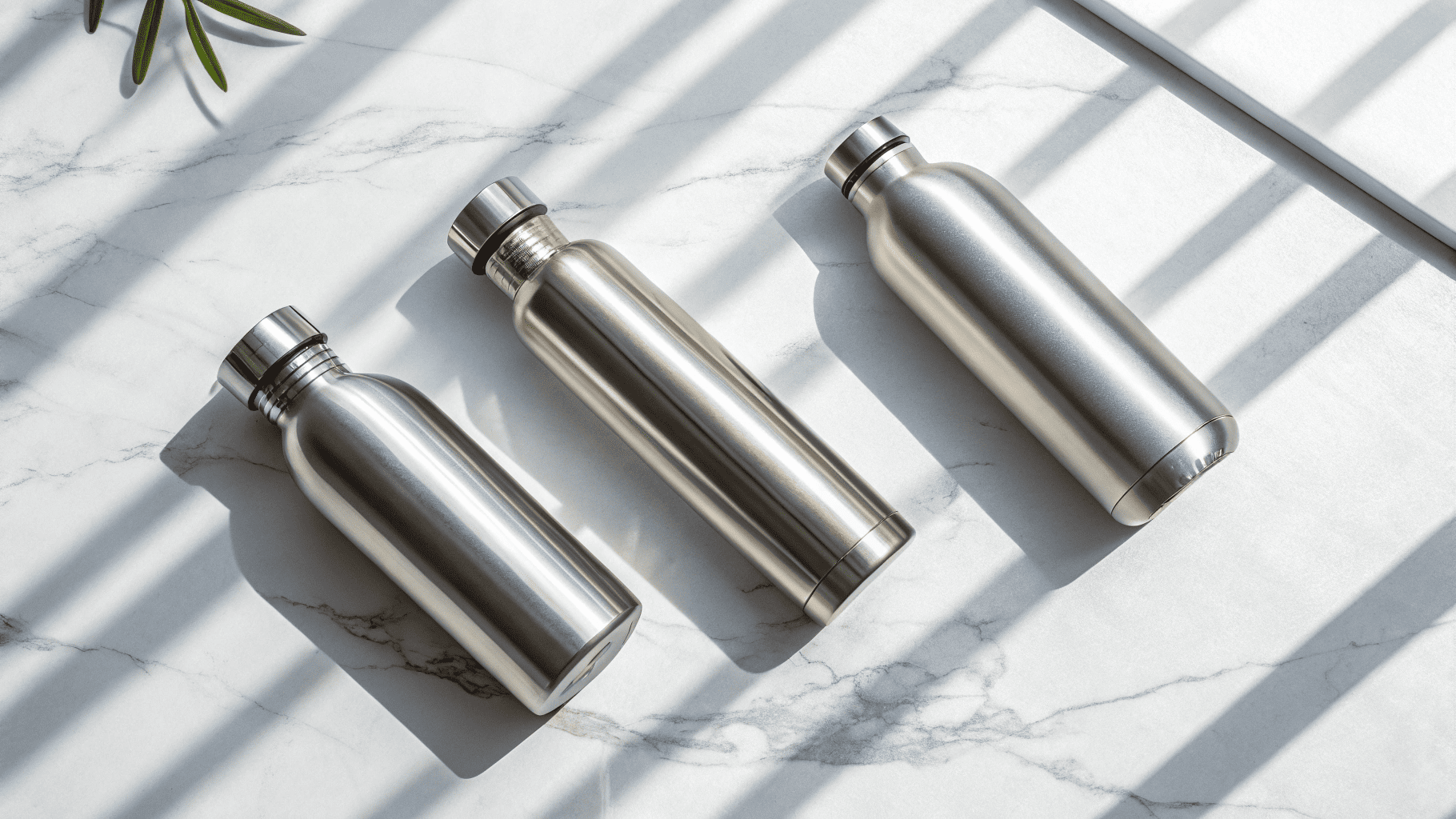
The cup sizes that actually sell
I track sales data monthly. The 20oz bottle outsells everything else in my product line. It fits cup holders perfectly. It holds enough water for a two-hour drive. The price point attracts both individuals and corporate buyers.
My 32oz bottles target fitness customers. These buyers want more capacity but still need cup holder compatibility3. I specify a narrow base with gradual widening toward the top. The engineering challenge is maintaining thermal performance while tapering the design.
I avoid selling 12oz bottles in bulk. The profit margin is too thin. The 12oz size works for coffee mugs with handles. Coffee mugs don't need cup holder compatibility. Customers carry them to their desks.
Here's what I've learned about each size category:
| Size Range | Primary Use Case | Cup Holder Fit | My Sales Volume |
|---|---|---|---|
| 12oz (355ml) | Office coffee, espresso | Not critical | 5% |
| 16-18oz (473-532ml) | Commuter coffee, tea | Must fit | 15% |
| 20-25oz (591-739ml) | Daily hydration, gym | Must fit | 40% |
| 32-40oz (946-1183ml) | Sports, long drives | Must fit | 30% |
| 64oz+ (1893ml+) | Outdoor, camping | Nice to have | 10% |
I specify different lid designs4 based on capacity. Smaller bottles under 20oz work well with screw caps or flip tops. Larger bottles need straw lids or wide-mouth openings. The lid choice affects the overall height. I always check total height against vehicle cup holder depth.
I learned to ask about industry standards during factory visits. Chinese manufacturers follow different naming conventions. What they call "medium" might be 18oz or 24oz depending on the factory. I specify exact milliliter measurements in every RFQ. I include visual references showing filled bottles next to common objects like smartphones.
What are the different types of cup sizes?
I categorize products by use case now instead of just volume. This helps me communicate with suppliers more clearly. It also helps my customers find the right products faster.
Cup sizes split into five categories: compact (under 16oz), standard (16-24oz), large (25-40oz), extra-large (40-64oz), and specialty (64oz+). Each category requires different design specifications for cup holder compatibility.
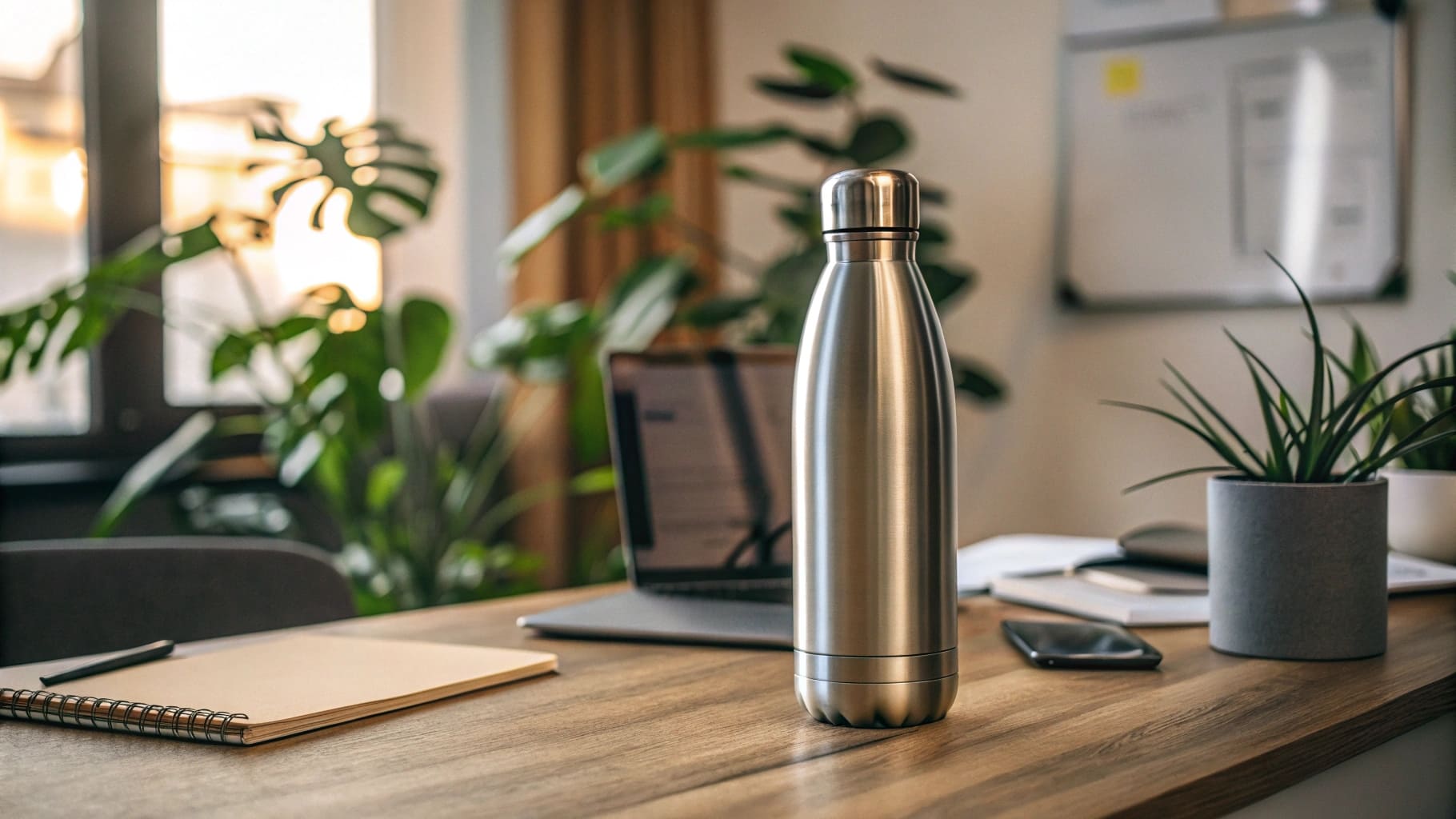
The cup size categories that matter for RFQs
I structure my RFQs around these five categories. Each category has specific diameter requirements. I learned this after ordering 5,000 units of 40oz bottles that customers couldn't use in their cars.
Compact sizes under 16oz are my coffee mug territory. These products don't always need cup holder compatibility. Many feature handles or unique shapes. I focus on thermal performance and aesthetic design for this category. The base diameter can range from 2.5 to 3.5 inches without issues.
Standard sizes from 16 to 24oz represent my core business. Every bottle in this range must fit standard cup holders. I specify a maximum base diameter of 2.9 inches. I request production samples before I approve any order over 1,000 units. I test these samples in my three reference vehicles.
Large sizes from 25 to 40oz require careful engineering. Customers expect high capacity. They also expect cup holder compatibility. The only solution is a tapered design. I specify that the base diameter must not exceed 2.9 inches. The body can expand to 3.5 inches or more. The taper must be gradual. Sharp angles create weak points in the insulation layer.
Extra-large sizes from 40 to 64oz push the limits of cup holder design. I'm honest with customers about this category. I tell them that cup holder fit becomes optional at this size. Some designs work. Many don't. I recommend this size only for customers targeting outdoor markets or gym users who carry bottles in hands or bags.
Specialty sizes over 64oz never fit cup holders. I don't promise cup holder compatibility for these products. These bottles target camping, hiking, and team sports markets. Customers use them for base camp water supply or cooler replacements.
Here's my complete specification guide:
| Category | Volume Range | Base Diameter | Body Diameter | Must Fit Cup Holder | Target Market |
|---|---|---|---|---|---|
| Compact | 8-16oz | 2.5-3.0" | 2.8-3.2" | Preferred | Office, home |
| Standard | 16-24oz | 2.6-2.9" | 2.9-3.3" | Required | Commuters, daily |
| Large | 25-40oz | 2.7-2.9" | 3.2-3.7" | Required | Fitness, sports |
| Extra-large | 40-64oz | 2.8-2.9" | 3.5-4.2" | Preferred | Outdoor, gym |
| Specialty | 64oz+ | 3.0-3.5" | 4.0-5.0" | Not expected | Camping, teams |
I include powder coating and color options in my RFQs. Dark colors hide scratches better. Light colors show the premium quality of stainless steel. Matte finishes provide better grip than glossy finishes. These details matter for customer satisfaction but they don't affect cup holder compatibility.
I always request technical drawings before production starts. The drawings must show cross-sections at multiple points along the bottle height. I need to see the taper angle. I need to verify the wall thickness. Double-wall vacuum insulation requires adequate space between inner and outer walls. This affects the external diameter.
I've worked with 47 different factories in Guangdong and Zhejiang provinces. The best factories understand cup holder compatibility without explanation. They've lost orders before too. They keep American and European vehicles at their facilities for testing. They photograph bottles in cup holders as part of their quality control process5.
The factories that don't understand this concept present problems. I spend hours explaining why a 3.8-inch base diameter won't work for a 32oz bottle. I show them sales data. I share customer complaints. Some factories learn quickly. Others keep making the same mistakes.
Conclusion
I specify base diameters between 2.7 and 2.9 inches for all bottles under 40oz. I test samples in real vehicles. I verify taper angles on technical drawings. These three steps prevent costly returns.
-
Explore design considerations that ensure bottles fit well in cup holders, improving usability. ↩
-
Sample testing documentation ensures that products meet specifications and reduces the risk of returns. ↩
-
Learn the best practices for designing bottles that fit standard cup holders, enhancing customer satisfaction. ↩
-
Different lid designs can affect usability and customer satisfaction; learn which works best for your products. ↩
-
A robust quality control process is vital for ensuring product reliability and customer satisfaction. ↩