
Insulated bottle RFQ template: specs, AQL, tests, carton, and pallet plan
You send an RFQ to three suppliers and get three completely different quotes. The prices vary wildly. The specifications don't match. You realize your template missed critical details that would have saved weeks of back-and-forth emails.
A complete insulated bottle RFQ template includes product specifications, AQL standards, testing protocols, packaging requirements, and pallet plans. This ensures suppliers quote on identical parameters and eliminates miscommunication that delays production timelines and creates quality disputes.
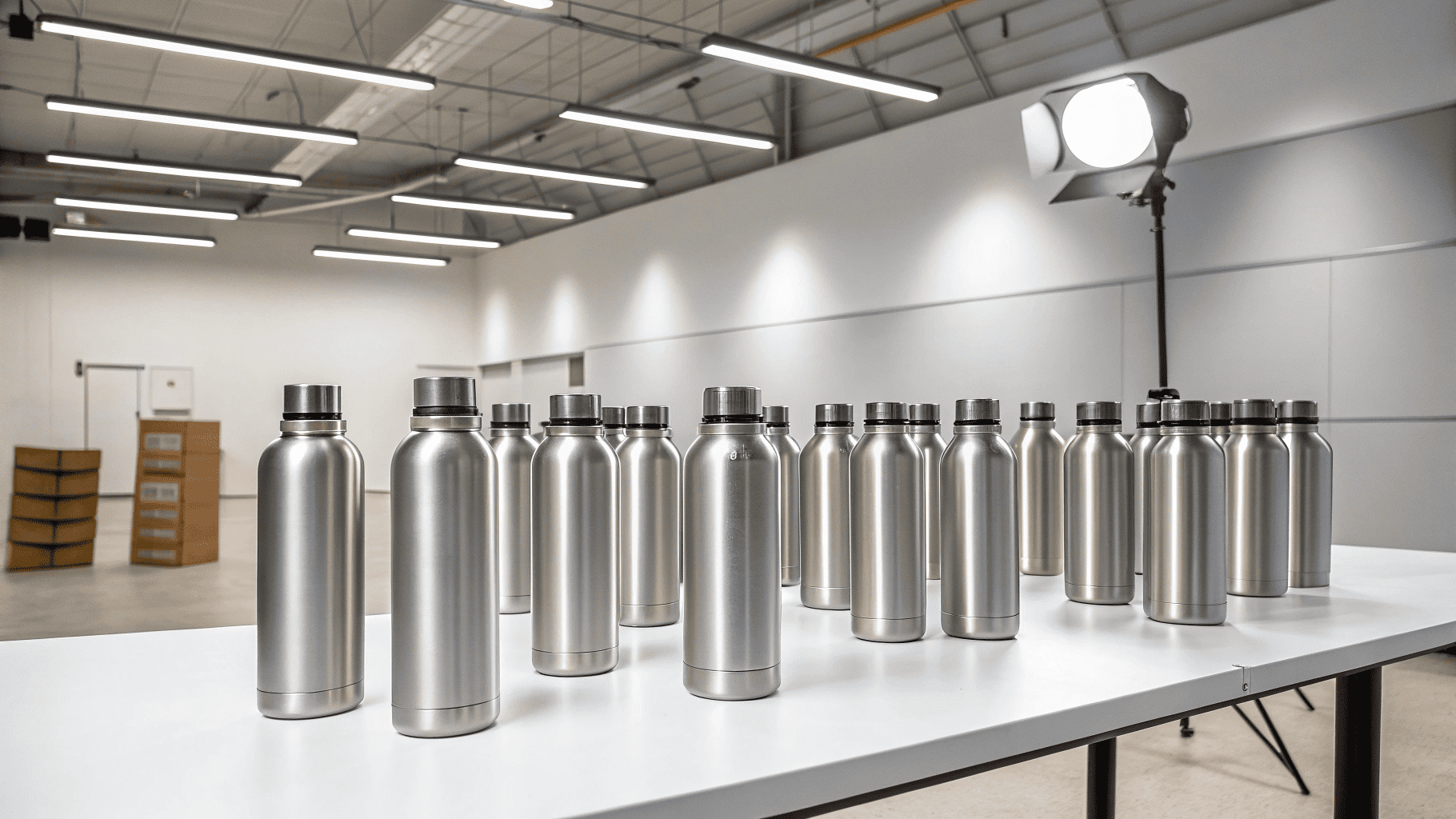
I learned this lesson the hard way after receiving a container of insulated bottles with defective vacuum seals. The supplier claimed we never specified heat retention testing1. I thought it was obvious. It wasn't. That experience taught me to document every requirement in the RFQ template, leaving nothing to assumption or industry standards that vary between manufacturers.
How Do Insulated Bottles Work?
Your customers expect their coffee to stay hot for hours. They complain when it doesn't. You need to understand the science behind insulation to write specifications that guarantee performance.
Insulated bottles use vacuum technology2 between double walls to block heat transfer through conduction, convection, and radiation. This vacuum barrier slows temperature change in both directions, keeping hot drinks hot and cold drinks cold.

The Three Heat Transfer Methods Vacuum Insulation Blocks
The core technology relies on eliminating air between the inner and outer walls of the bottle. Heat moves through three mechanisms. Conduction requires physical contact between molecules. Convection needs fluid or gas movement to carry heat. Radiation transmits heat through electromagnetic waves. The vacuum space stops conduction and convection completely because there are no molecules to transfer energy. Some radiation still occurs, but at a much slower rate than the other two methods.
I specify a minimum 12-hour hot retention and 24-hour cold retention in every RFQ. These numbers come from actual customer expectations in North American markets. When I first started, I accepted supplier claims without testing protocols. Half the shipments failed real-world performance tests. Now I require third-party lab certification before production begins. The vacuum quality determines everything about insulation effectiveness.
Why Temperature Retention Works Both Ways
The vacuum doesn't know if the liquid inside is hot or cold. It just slows energy transfer between the inside and outside environments. When you fill the bottle with hot coffee at 85°C and the room temperature is 20°C, the vacuum slows heat escape from the bottle. When you fill it with ice water at 4°C, the same vacuum slows heat entry into the bottle. This bidirectional property makes vacuum insulated bottles versatile for all beverage types.
Your RFQ template should specify retention requirements for both hot and cold scenarios. I include test conditions like "maintains 70°C minimum after 6 hours when filled with 95°C water" and "maintains 8°C maximum after 12 hours when filled with 4°C water." These concrete numbers prevent disputes about what "keeps drinks hot" actually means.
What Should You Not Put in an Insulated Bottle?
A customer returned 500 units claiming the bottles corroded after two months. They had been using them for orange juice. The supplier used 201 stainless steel instead of 304. Your RFQ needs material specifications that match intended use.
Avoid carbonated beverages, dairy products without refrigeration, and highly acidic juices in insulated bottles. Material grade matters significantly, with 304 and 316 stainless steel offering better corrosion resistance than 200-series alternatives.
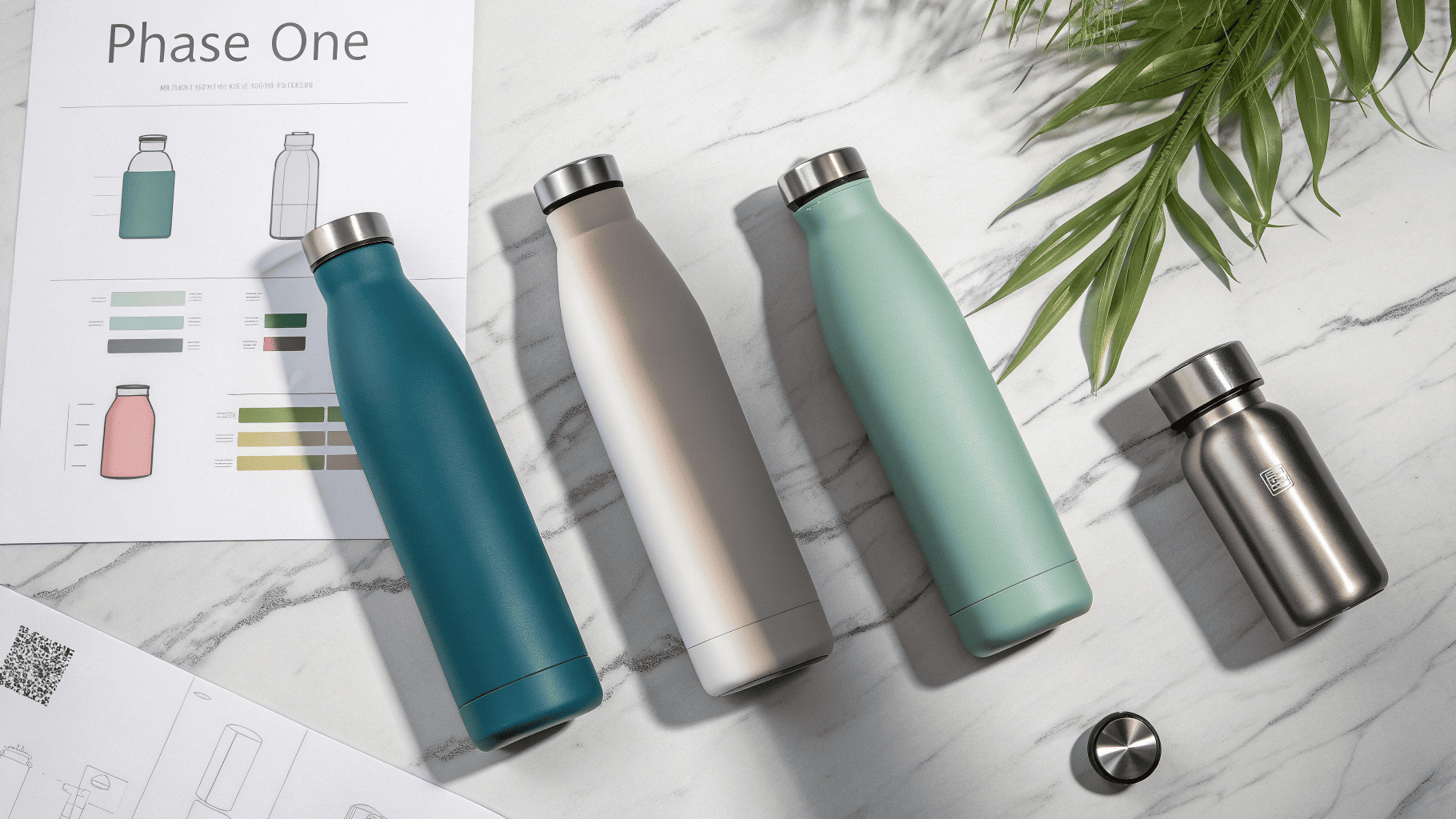
Stainless Steel Grade Specifications That Prevent Corrosion Issues
The difference between 304 and 201 stainless steel comes down to nickel content and corrosion resistance. 304 stainless steel contains 8-10% nickel and offers excellent resistance to acidic substances. 316 stainless steel adds molybdenum for even better performance. 201 stainless steel substitutes manganese for nickel, reducing cost but also reducing corrosion protection. Both are technically food-grade, but their real-world performance differs dramatically.
| Steel Grade | Nickel Content | Manganese Content | Corrosion Resistance | Recommended Use |
|---|---|---|---|---|
| 304 | 8-10% | ≤2% | Excellent | All beverages |
| 316 | 10-14% | ≤2% | Superior | Acidic drinks, saltwater |
| 201 | 3.5-5.5% | 5.5-7.5% | Moderate | Water only |
I specify 304 stainless steel minimum for both inner and outer walls in every RFQ. Some suppliers quote with 304 inside and 201 outside to cut costs. This creates quality perception issues when the exterior shows corrosion spots after months of use. Your template should explicitly state material requirements for each component, including the lid, body, and base.
Liquid Compatibility Requirements for Your Target Market
Carbonated beverages create pressure that can damage the seal or, in rare cases, cause the lid to pop off unexpectedly. Dairy products spoil rapidly without proper refrigeration, creating bacterial growth that produces unpleasant odors difficult to remove. Highly acidic juices like grapefruit or lemon juice can gradually corrode even 304 stainless steel if left for extended periods. I always ask customers about intended use before finalizing specifications. An insulated bottle for a coffee shop chain has different requirements than one for a sports team using it for water only.
Do Insulated Bottles Lose Their Insulation?
I received a complaint six months after delivery. The bottles stopped keeping drinks hot. The customer accused me of selling defective products. Testing revealed the vacuum seal had failed, but determining responsibility required reviewing our quality control protocols3.
Insulation degrades when physical damage compromises the vacuum seal or manufacturing defects allow air infiltration. Quality control testing during production and proper handling during shipment prevent most insulation failures.

Manufacturing Quality Control Points That Protect Vacuum Integrity
The vacuum seal happens during production through a small port that gets welded shut after air evacuation. Poor welding technique leaves microscopic gaps that slowly allow air back into the insulated space. I witnessed this firsthand during a factory audit. The welding operator was rushing to meet quotas and didn't hold the weld long enough. Two months later, those bottles failed heat retention tests.
Your RFQ template needs specific quality control checkpoints. I require heat retention testing on random samples from each production batch. The test involves filling bottles with water at 95°C, sealing them, and measuring temperature after six hours. Anything below 70°C indicates vacuum failure. Cold retention testing follows the same principle with 4°C water measured after twelve hours. Visual inspection catches obvious dents or welding defects. Lid leak tests ensure the cap doesn't allow liquid escape during transport.
AQL Standards and Inspection Levels for B2B Orders
Acceptable Quality Level determines how many defective units you will tolerate in a shipment. I use AQL 1.5 for critical defects like vacuum failure or sharp edges. This means in a batch of 10,000 bottles, finding two defective units triggers rejection of the entire lot. For major defects like minor scratches, I accept AQL 2.5. Minor cosmetic issues get AQL 4.0.
The inspection level determines sample size. Level II is standard for most orders, balancing thoroughness with practical time constraints. For a 5,000-unit order, inspectors examine 200 random samples. They check insulation performance, lid functionality, and visual quality. I learned to specify these numbers in the RFQ template after a supplier interpreted "quality inspection" as looking at ten bottles from a 10,000-unit shipment.
Packaging and Pallet Planning That Prevents Damage
Physical damage during shipping destroys vacuum insulation. A dropped pallet can dent dozens of bottles, creating invisible vacuum seal failures that only appear weeks later when customers complain about poor insulation. I specify packaging requirements in detail now. Each bottle gets an individual box with corner protection. Twelve boxes go into a master carton with dividers preventing bottle-to-bottle contact.
Pallet planning matters more than most buyers realize. A standard 48×40 inch pallet fits 36 master cartons in a 6×6 configuration. Total pallet height stays under 60 inches for warehouse compatibility. Maximum weight per pallet is 800 pounds to meet forklift capacity limits. I include a pallet diagram in every RFQ showing exact carton placement and strapping requirements. This prevents suppliers from overloading pallets to save container space, which leads to bottom layer damage from excessive weight.
Conclusion
A detailed RFQ template eliminates specification disputes and quality failures. Include material grades, testing protocols, AQL standards, and packaging plans. Your suppliers will quote accurately, and your customers will receive consistent quality.