
Where to source insulated water bottles with 316 liners for salty use?
I remember losing a big order last year because my customer's bottles started rusting near the ocean. The buyer needed saltwater-resistant bottles but I only offered standard materials. That mistake taught me everything about 316 stainless steel.
For salty environments, source insulated water bottles with 316 stainless steel liners from manufacturers specializing in high-grade materials. Look for suppliers with material certifications1, transparent testing reports, and experience in marine or outdoor markets where corrosion resistance matters most.
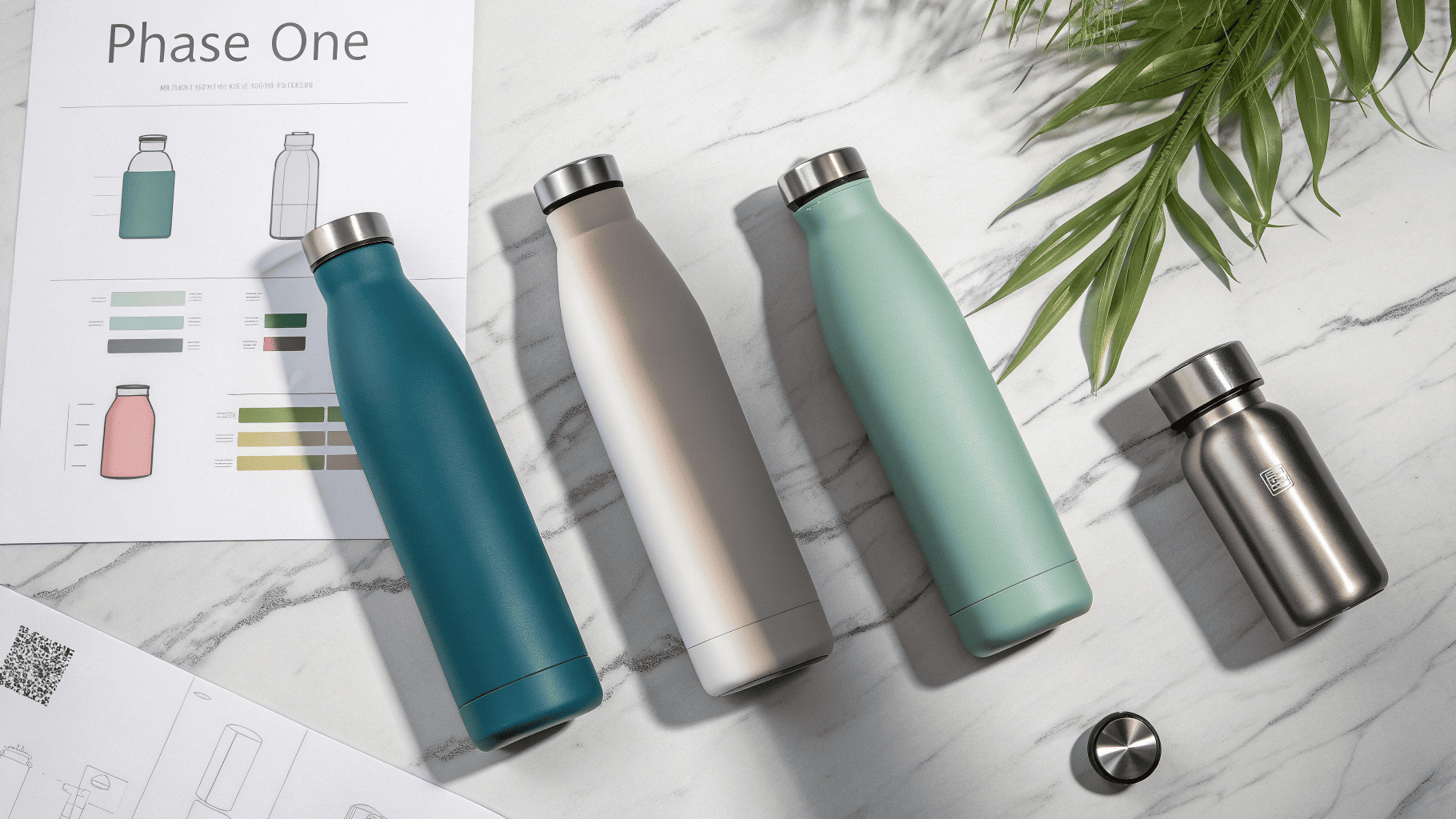
Finding the right supplier for 316-liner bottles requires more research than standard products. I now verify every supplier's material certificates before placing orders. The marine sports market demands this premium material, and cutting corners leads to rust complaints and refund requests within months.
Is 304 or 316 stainless steel better for water bottles?
My buyers always ask about the difference between these two grades. The price gap confuses them because both look identical on the outside. Many assume 304 works fine until their customers report corrosion problems after beach trips.
316 stainless steel performs better than 304 for water bottles exposed to salt, acidic drinks, or harsh conditions. While 304 suits general use with adequate corrosion resistance, 316 contains molybdenum which significantly enhances protection against chlorides and acidic environments.
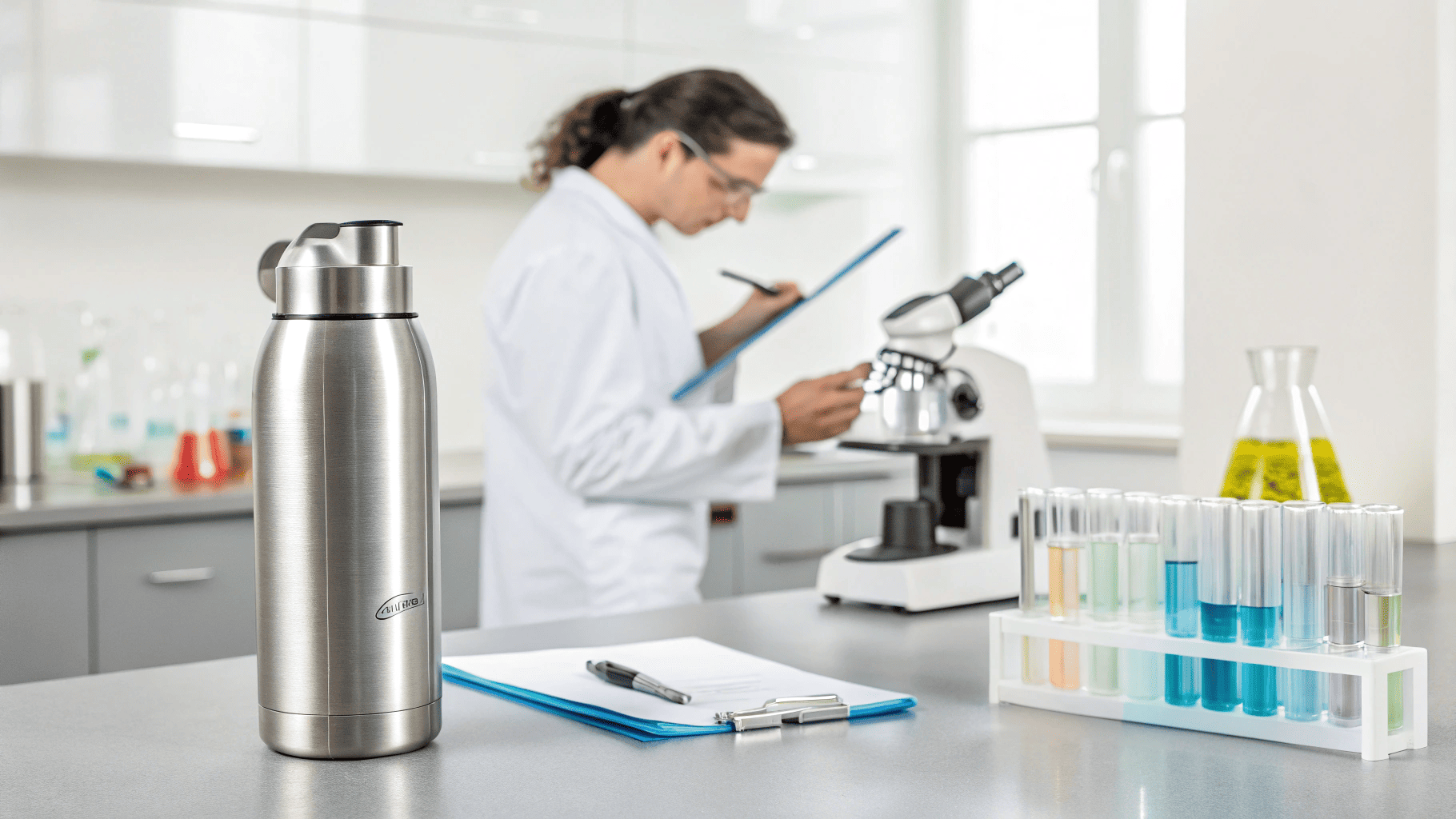
Material composition creates the performance gap
304 stainless steel contains chromium above 18% and nickel above 8%, forming what people call 18/8 steel. This grade handles most food contact situations well. I use it for standard water bottles going to offices or schools where saltwater exposure never happens.
316 stainless steel adds 2-3% molybdenum to the mix. This single element changes everything for coastal or marine applications. The molybdenum forms a protective barrier against chloride attacks, which is why yacht owners and surfers prefer 316-lined bottles.
Real-world performance differences
I tested both materials by leaving sample bottles filled with saltwater for three months. The 304 samples showed small rust spots near the welds. The 316 samples remained spotless. This simple test convinced me why premium brands2 insist on 316 for their beach lifestyle collections.
| Feature | 304 Stainless Steel | 316 Stainless Steel |
|---|---|---|
| Chromium content | >18% | >18% |
| Nickel content | >8% | >10% |
| Molybdenum | None | 2-3% |
| Salt resistance | Moderate | Excellent |
| Acid resistance | Good | Superior |
| Best for | General use | Marine, acidic drinks |
The performance gap matters most for bottles sold near coasts, used for sports drinks with high electrolytes, or marketed to ocean sports enthusiasts. For inland markets with regular water or coffee use, 304 provides sufficient protection at lower cost.
What is the best material for insulated water bottles?
Buyers often focus on insulation performance but forget about the liner material touching their drinks. I learned this lesson when a health-conscious customer rejected an entire shipment after discovering the inner material didn't meet their safety standards3.
The best material for insulated water bottles is food-grade 304 or 316 stainless steel, offering safety, durability, and corrosion resistance. These austenitic stainless steel grades have low harmful substance migration rates, excellent sanitary performance, and maintain drink taste without metallic flavors.
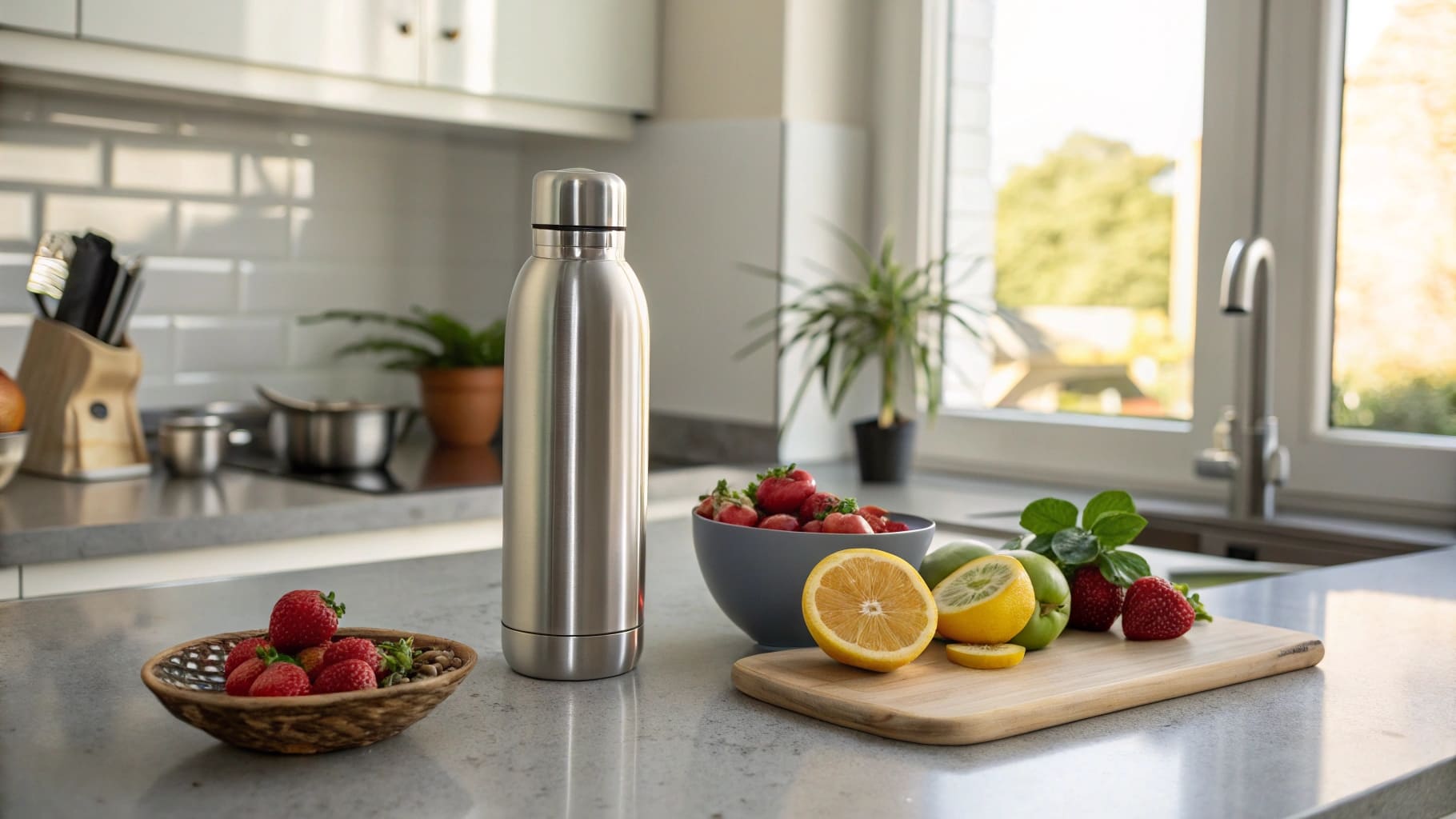
Why austenitic stainless steel dominates
Both 304 and 316 belong to the austenitic family of stainless steel. This crystal structure gives them non-magnetic properties and superior corrosion resistance compared to other stainless steel types. I always carry a magnet to testing meetings. Real 304 or 316 steel shows very weak magnetic attraction.
The austenitic structure also prevents harmful substances from leaching into beverages. Lab tests show migration rates far below safety thresholds, even with acidic drinks like lemon water or sports drinks. This safety record explains why hospitals, restaurants, and food processing plants use these grades.
Beyond the liner material
A complete insulated bottle includes outer walls, vacuum space, and sometimes copper plating. The outer shell usually uses the same grade as the liner for consistency, though some manufacturers mix grades to reduce costs. I avoid such suppliers because mismatched thermal expansion rates can break the vacuum seal.
The vacuum insulation itself matters more for temperature retention than material choice. Double-walled construction with vacuum between walls blocks heat transfer. Some premium bottles add copper plating to the vacuum space, reflecting radiant heat for even better performance.
Alternatives and their limitations
Some manufacturers offer 201 stainless steel as a budget option. This grade contains manganese instead of nickel, reducing material costs significantly. However, its corrosion resistance falls short for any application involving acids, salts, or long-term durability. I only recommend 201 for promotional items with short expected lifespans.
Plastic liners appear in some insulated bottles, usually wrapped in a stainless steel outer shell. These bottles fail safety standards in many markets and can't handle hot beverages. The plastic smell also transfers to water, creating customer complaints that damage brand reputation.
What is more expensive, 304 or 316 stainless?
Cost discussions with new buyers always bring up this question. They see the price difference between 304 and 316 bottles and wonder if the premium is justified. Many assume suppliers inflate 316 prices unfairly, but raw material markets tell a different story.
316 stainless steel costs more than 304 because it requires rare elements like molybdenum and higher nickel content. Raw material prices reflect this scarcity. Current market rates show 316 steel costs roughly 30-50% more than 304, directly impacting finished bottle prices.
Raw material cost breakdown
Molybdenum remains one of the more expensive alloying elements in stainless steel production. Mining operations produce limited quantities compared to iron or chromium. The steel mills pay premium prices for molybdenum, which they pass to manufacturers, who pass to buyers like me.
The nickel content difference also affects costs. 316 contains 10-14% nickel compared to 304's 8-10.5%. Nickel prices fluctuate on global commodity markets, sometimes swinging 20% in a single quarter. When nickel prices rise, the gap between 304 and 316 widens further.
Production and processing differences
Manufacturing 316 stainless steel requires more precise temperature control and longer processing times. The molybdenum addition makes the alloy harder to work with during rolling and forming. These production challenges add to the final cost beyond just raw materials.
Welding 316 steel demands specialized equipment and skilled operators. The higher alloy content changes melting points and flow characteristics. I've visited factories where 316 production lines run separately from 304 lines because the equipment settings differ so much.
Market positioning and pricing
| Cost Factor | 304 Stainless | 316 Stainless | Price Impact |
|---|---|---|---|
| Raw material | Lower | Higher | 30-50% more |
| Processing difficulty | Standard | Complex | 10-15% more |
| Quality testing | Basic | Enhanced | 5-10% more |
| Market positioning | Mass market | Premium segment | Varies |
Most B2B buyers accept the premium for 316 when targeting high-end markets. A bottle that costs $1.50 more to manufacture can retail for $10-15 more when positioned correctly. The key is matching material choice to customer expectations and use cases.
Conclusion
Sourcing 316-liner bottles requires finding verified suppliers, understanding material costs, and matching specifications to target markets. The premium material delivers value for marine and outdoor applications where corrosion resistance directly impacts product lifespan and customer satisfaction.