
Insulated water bottles for FBA: packaging tests, drop, and carton spec
Last month, I received an email from a Canadian buyer. His shipment failed Amazon's inspection. The cartons collapsed during transport. His entire order got rejected. He lost his peak sales window. This happens more often than you think.
Selling insulated bottles on Amazon FBA requires more than good products. You need proper packaging tests, drop test documentation1, and carton specifications that meet Amazon's standards. Without these, your shipment risks rejection, returns, and negative reviews that hurt your seller rating.
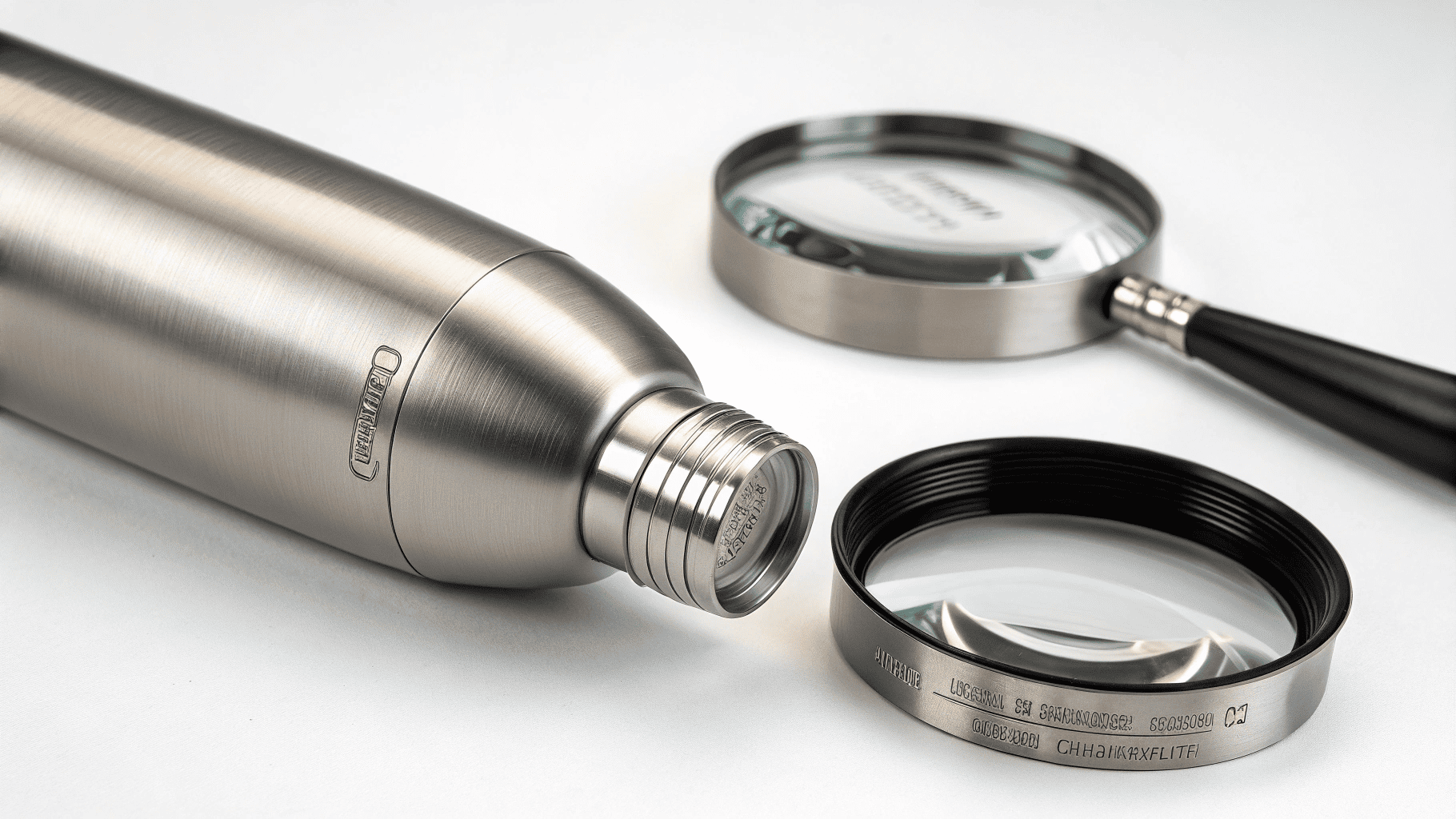
I have worked with hundreds of buyers shipping to Amazon warehouses. The ones who succeed share one thing in common. They understand testing requirements before placing orders. They ask for documentation. They verify packaging strength. They do not leave quality to chance.
How to Test an Insulated Bottle?
You cannot skip testing if you sell on Amazon. Amazon has strict requirements. Customers expect products to arrive perfect. One damaged bottle creates a return. Multiple returns destroy your seller metrics.
Testing an insulated bottle involves multiple checkpoints. You need thermal retention tests, vacuum seal verification, drop tests, and packaging compression tests. Each test serves a specific purpose. Each test protects your business from different risks.
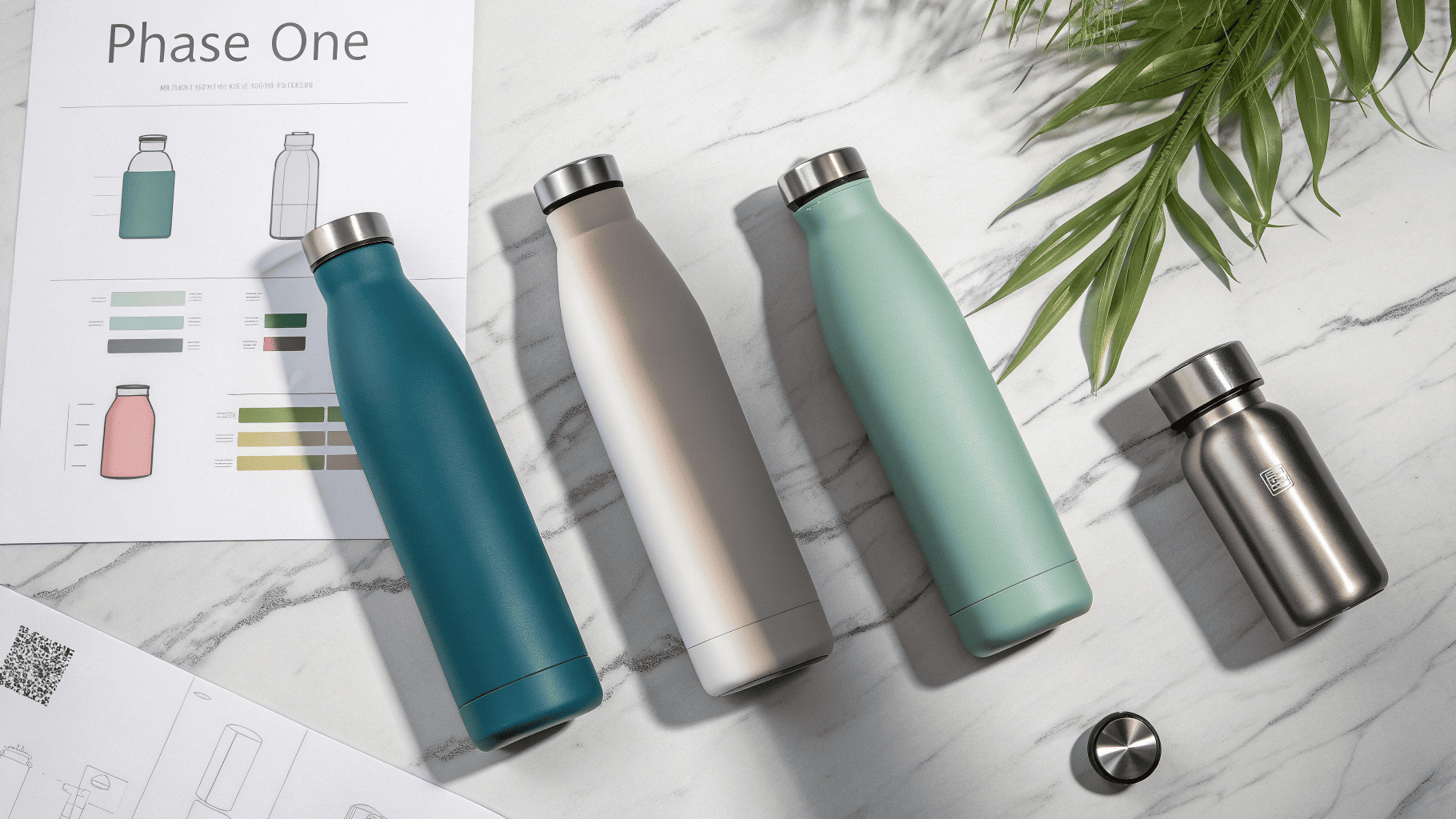
I run these tests at my factory before every shipment. Let me walk you through what actually matters.
Thermal Retention Testing
We fill bottles with boiling water at 95°C. We seal them completely. Then we measure temperature every hour for six hours. After six hours, the water should stay above 60°C for quality bottles. Some buyers request 12-hour or 24-hour tests. We accommodate these requests.
The test environment matters too. We conduct tests at room temperature around 20°C. We keep bottles away from direct sunlight. We do not shake or move bottles during testing. Movement affects results.
Cold retention works the same way. We fill bottles with ice water at 4°C. We measure temperature increases over time. Quality bottles keep water below 10°C for at least six hours.
Vacuum Seal Testing
The vacuum seal determines insulation performance. We test this separately from thermal retention. We use specialized equipment to measure vacuum pressure. The standard pressure should stay below 0.1 Pa for double-wall bottles.
We also conduct helium leak detection tests. This identifies microscopic leaks that affect insulation over time. Even tiny leaks cause performance degradation. Customers notice when their bottles stop working properly.
Drop Testing Protocol
Drop tests simulate real shipping conditions. Amazon warehouses handle packages roughly. Delivery drivers drop boxes. Forklifts bump pallets. Your packaging must survive this.
We conduct drop tests from different heights. The standard is 76 cm (30 inches) for individual bottles. For master cartons, we test from 90 cm. We drop each sample six times. We rotate the drop angle each time.
| Drop Position | Purpose | Pass Criteria |
|---|---|---|
| Bottom down | Test base impact | No dents or leaks |
| Top down | Test lid assembly | Lid stays sealed |
| Side impact | Test body strength | No vacuum loss |
| Corner drop | Test overall structure | No cracks or breaks |
| Flat drop | Test maximum surface impact | Bottle remains functional |
| Random angle | Simulate real conditions | All features work |
After drop tests, we check everything. We inspect the vacuum seal. We test thermal retention again. We examine the powder coating for chips. We verify threads and gaskets. Any failure means we reject the batch.
Packaging Compression Testing
Carton strength matters as much as bottle quality. Amazon stacks pallets high. Bottom boxes carry enormous weight. Weak cartons collapse. Collapsed cartons damage products inside.
We test cartons using compression machines. We apply pressure equal to stacking height. For standard shipments, we test at least 200 kg of top load. The carton must maintain its shape without collapsing.
We also test carton drop resistance. We pack bottles exactly as we ship them. We drop complete cartons from warehouse height. We inspect damage to both cartons and bottles inside. This tells us if our packaging design works.
What Water Bottle Brand Has the Best Insulation?
Buyers ask me this question constantly. They want to know which brand performs best. They want to copy successful products. But they miss the real answer.
Brand names do not determine insulation quality. Manufacturing process and quality control2 determine performance. Many branded bottles come from the same factories that produce unbranded bottles. The difference is consistency, not capability.
The truth about insulation performance comes down to manufacturing details that most buyers never see.
Manufacturing Quality vs. Brand Name
I produce bottles for buyers who sell under their own brands. Some become very successful on Amazon. Others struggle with returns. The product is essentially the same. The difference is quality control during production.
Wall thickness affects insulation directly. We use 304 food-grade stainless steel. Standard wall thickness is 0.4 mm for the inner wall and 0.5 mm for the outer wall. Some factories cut costs by using thinner steel. This reduces insulation performance by 20-30%.
Vacuum pressure matters even more. Quality production requires vacuum pressure below 0.1 Pa. Achieving this requires expensive equipment. Some manufacturers use cheaper machines that only reach 1-5 Pa. Their bottles look identical but perform poorly.
Sealing Technology Impact
The bottom seal determines how long insulation lasts. We use copper welding for the seal. This creates a permanent, airtight connection. Some factories use cheaper laser welding. Laser welds can develop microscopic cracks over time.
We test every single bottle after vacuum sealing. We use helium detectors to find leaks. Any bottle that shows leakage gets rejected. This testing adds cost but guarantees performance.
Consistent Results Require Systems
The "best" insulation comes from consistent manufacturing systems. We maintain the same vacuum pressure across every production run. We use the same steel suppliers. We calibrate equipment weekly. We train workers on proper techniques.
Quality varies when factories chase low prices. They switch suppliers to save money. They skip calibration. They rush production. The first samples might be perfect. But bulk production quality drops.
Why Are Insulated Water Bottles So Expensive?
Mark, my Canadian buyer, once complained about pricing. He found quotes 30% cheaper from another factory. He asked why my prices were higher. I explained the cost breakdown. He understood and stayed with me.
Premium pricing for quality insulated bottles reflects real costs. These costs protect your business. Cheap bottles create expensive problems later.
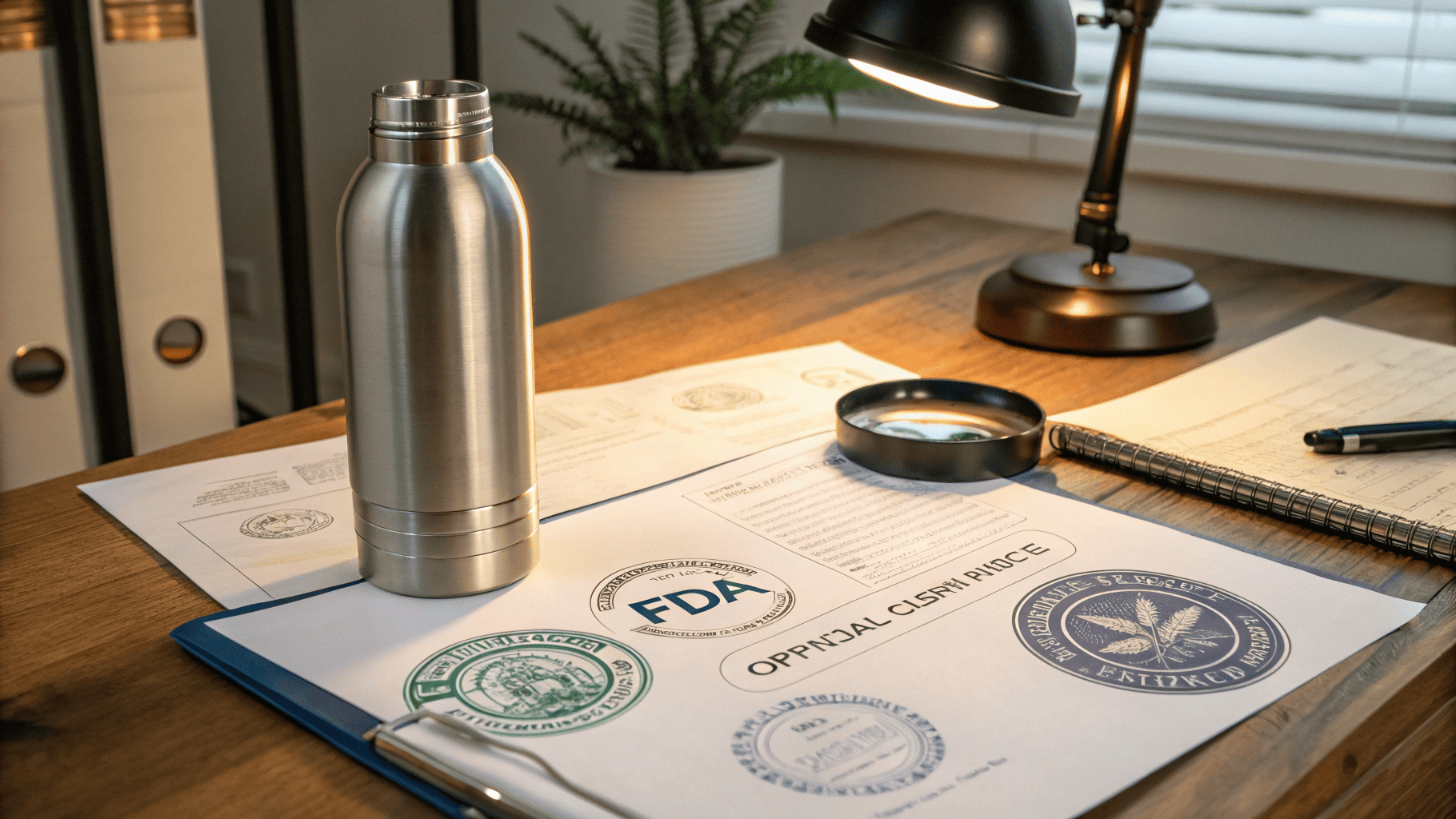
Let me show you exactly where costs come from and why they matter for your Amazon business.
Material Costs Are Non-Negotiable
Food-grade 304 stainless steel costs significantly more than 201 stainless steel. We pay about $2,800 per ton for 304 steel. Lower quality 201 steel costs around $2,000 per ton. This seems like small savings. But 201 steel rusts easily and fails food safety tests.
We only use 304 steel for bottle bodies and 316 steel for lids. This meets FDA and LFGB standards. Some buyers import bottles made with 201 steel. Amazon customers return them when rust appears. Those returns cost far more than material savings.
Equipment Investment Drives Quality
Professional vacuum-sealing machines cost $50,000-$100,000 each. We operate four machines in our facility. Maintenance and calibration cost another $10,000 annually per machine. These machines create the vacuum pressure needed for proper insulation.
Cheaper factories use manual or semi-automatic equipment. These machines cannot maintain consistent vacuum levels. They produce bottles with variable performance. Your customers get inconsistent products. Some bottles work great. Others fail quickly.
Testing Protocols Add Cost But Prevent Disasters
We conduct thermal retention testing on every production run. We test drop resistance for packaging. We verify vacuum pressure individually. These tests require equipment, time, and trained staff.
Each testing protocol adds roughly $0.15-$0.25 per bottle to production costs. Buyers who skip testing save money initially. But they pay much more when shipments fail Amazon inspections or customers return defective products.
FBA-Specific Requirements Increase Expenses
Amazon FBA has specific packaging requirements. Cartons need reinforcement. Documentation must be complete. Labels must meet exact specifications. Packaging must withstand compression testing.
We design packaging specifically for Amazon warehouses. We use five-layer corrugated cartons instead of three-layer. We add internal cardboard dividers. We use corner protectors. This packaging costs 40% more than standard export cartons. But it reduces damage rates from 8% to less than 1%.
Engineering Support Throughout Production
We provide engineering support from design through quality assurance. We help buyers choose proper bottle shapes for their market. We suggest lid types based on usage patterns. We modify designs to improve manufacturability.
This support includes creating CAD drawings, developing prototypes, adjusting tooling, and solving production issues. Most factories do not offer this level of service. They produce what you order without guidance. Problems only appear after production completes.
Long-Term Cost Comparison
A cheaper bottle might cost $3.50 instead of $4.50. You save $1.00 per unit. On a 5,000-unit order, you save $5,000 initially. But if 5% of bottles fail quality checks or get returned, you lose $875 in product costs plus shipping, Amazon fees, and seller rating damage.
Quality bottles from experienced manufacturers might cost more upfront. But they reduce returns, maintain seller ratings, and generate repeat customers. Over time, quality saves money and builds your brand reputation.
[image placeholder]
I have seen too many buyers learn this lesson the hard way. They chase the lowest price. Their first shipment has problems. They switch suppliers. They start over. They waste months and lose their selling season.
Conclusion
Testing, quality manufacturing, and proper documentation cost more initially but protect your Amazon FBA business. Partner with suppliers who understand these requirements from the start. Your long-term success depends on it.