
Are non-insulated water bottles viable for low-cost promotions in 2026?
You need promotional items that fit your budget, but your competitors hand out bottles that keep drinks cold for hours. Your single-wall bottles sit unused in storage. Something feels off about this choice.
Non-insulated water bottles struggle to compete in 2026 promotions. The market expects temperature control as standard. You save pennies upfront but lose perceived value. Better alternatives exist at slightly higher costs that deliver stronger brand impact.
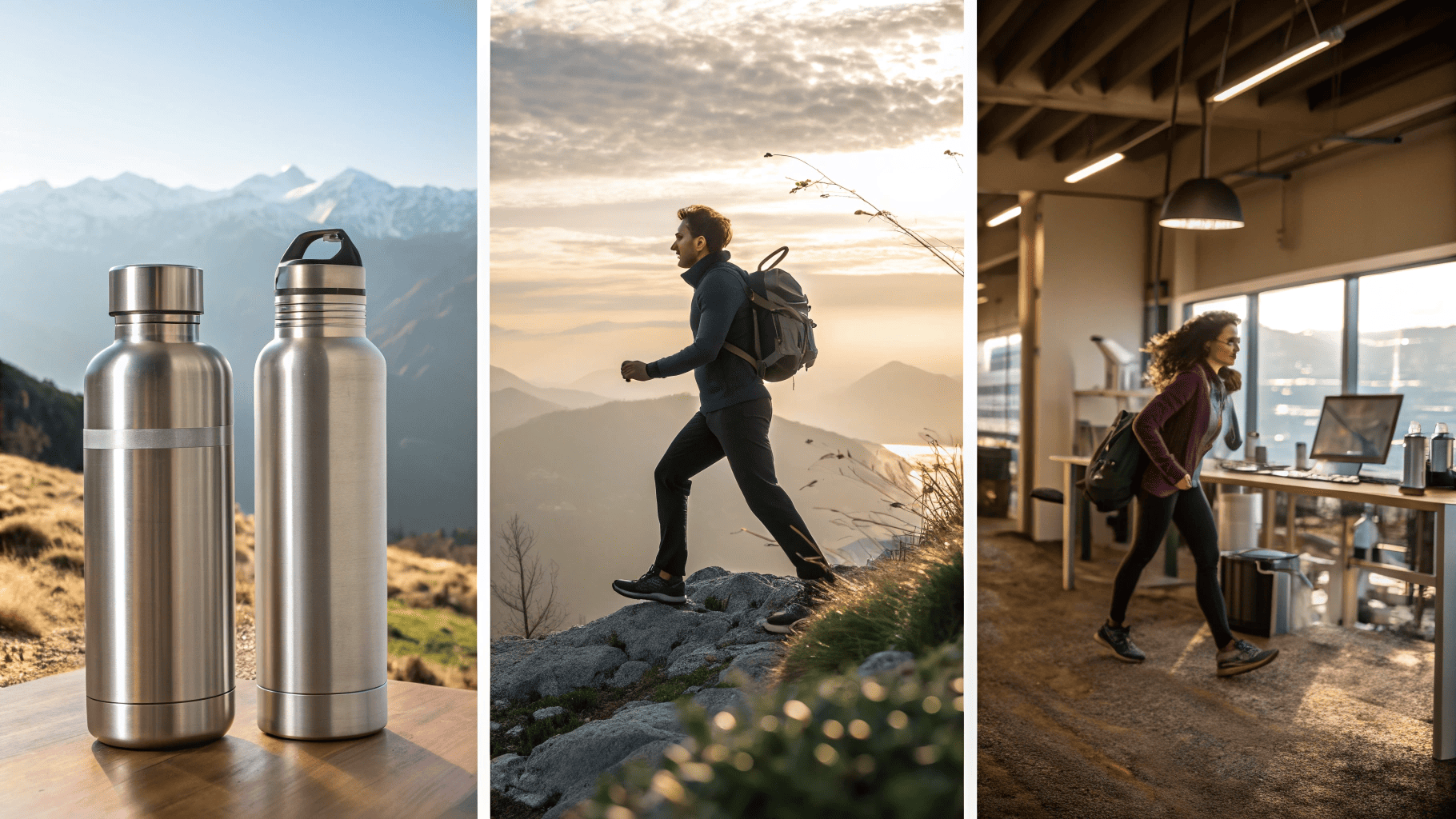
I've seen this pattern repeat with dozens of buyers over the past few years. They order non-insulated bottles to save money. Three months later, they call back asking for insulated options. The recipients don't use the promotional items1. The whole campaign fails to deliver results.
What is a non-insulated water bottle?
You see various bottle types at trade shows, but the terms confuse you. Some bottles keep drinks cold. Others don't. The price difference makes you wonder what you're actually paying for.
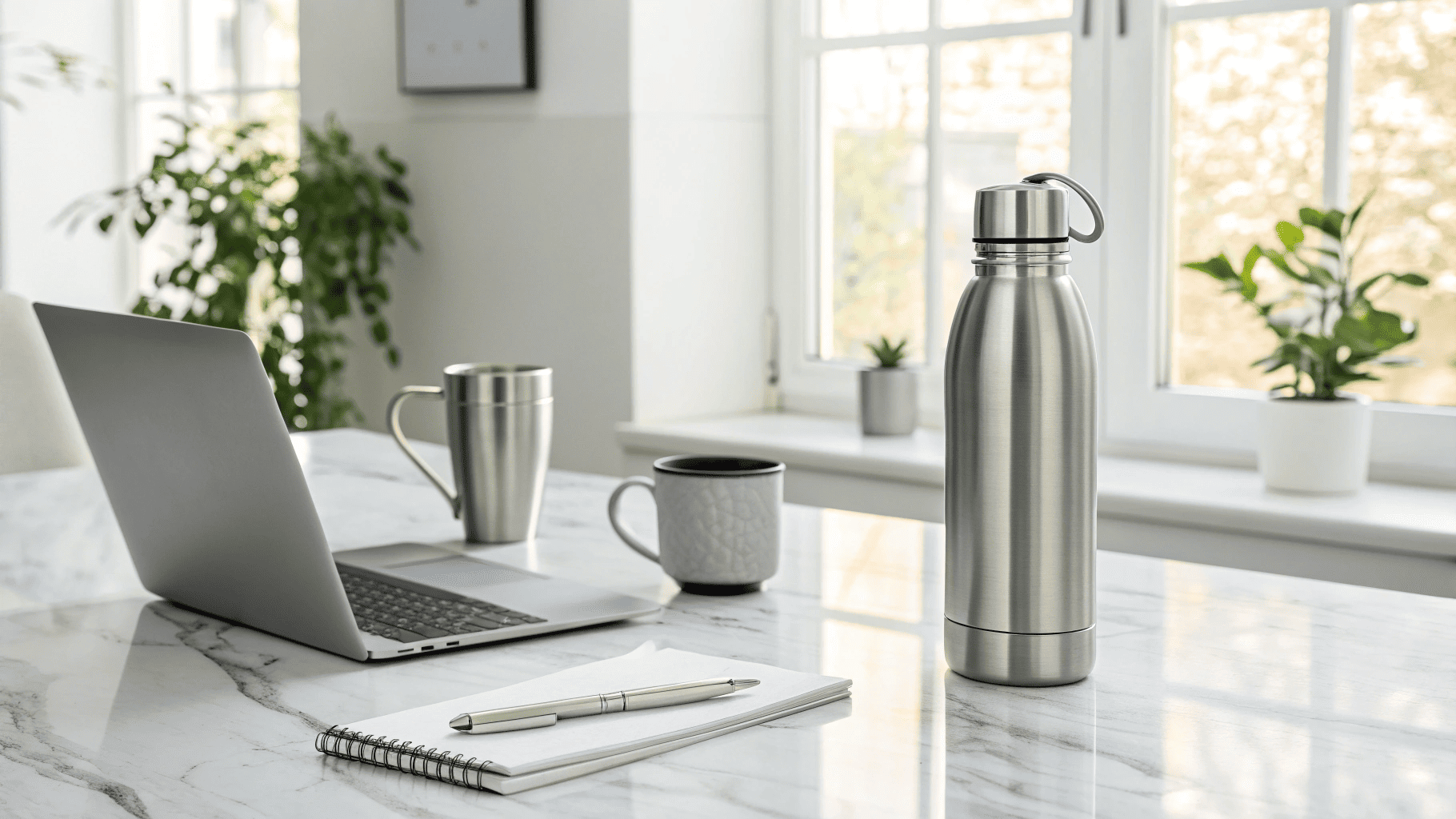
A non-insulated water bottle has a single wall construction. No vacuum layer exists between inner and outer walls. The liquid inside quickly matches the outside temperature. These bottles cost less to produce but offer minimal thermal performance.
Single-wall construction basics
I work with manufacturers who produce both types. A non-insulated bottle uses one layer of material. Stainless steel non-insulated bottles weigh less than their insulated counterparts. The metal feels cold to touch when you fill it with ice water. Your hand warms the contents within minutes.
The manufacturing process takes fewer steps. We stamp or form the single wall. We add threads for the lid. We polish or paint the exterior. No vacuum sealing equipment is needed. This simplicity reduces production costs2 by roughly 30-40%.
| Feature | Non-Insulated | Insulated |
|---|---|---|
| Wall layers | Single | Double |
| Temperature retention | Poor (minutes) | Good (hours) |
| Weight | Light | Heavier |
| Production cost | Lower | Higher |
| Market preference 2026 | Declining | Growing |
Material options beyond stainless steel
My product line focuses on stainless steel, but I see buyers exploring other materials for non-insulated bottles. Plastic options like Tritan offer transparency. Users see the liquid inside. Aluminum provides a middle ground between plastic and stainless steel. Bamboo combinations appeal to eco-conscious audiences.
Each material serves different promotional contexts. A gym might choose clear plastic to showcase branded water stations. An outdoor brand might pick aluminum for its lightweight properties. A wellness company could select bamboo for its natural aesthetic. The insulation question matters less when the use case doesn't require temperature control.
What is the trend in reusable water bottles?
Your procurement budget needs to align with market trends. You can't afford to invest in products that consumers reject. Last year's solutions might not work this year.
Reusable water bottles trend toward insulation as baseline. Buyers expect thermal performance in 2026. Sustainability remains important, but functionality drives decisions. Smaller premium features like one-handed operation and leak-proof designs gain attention.
[image placeholder]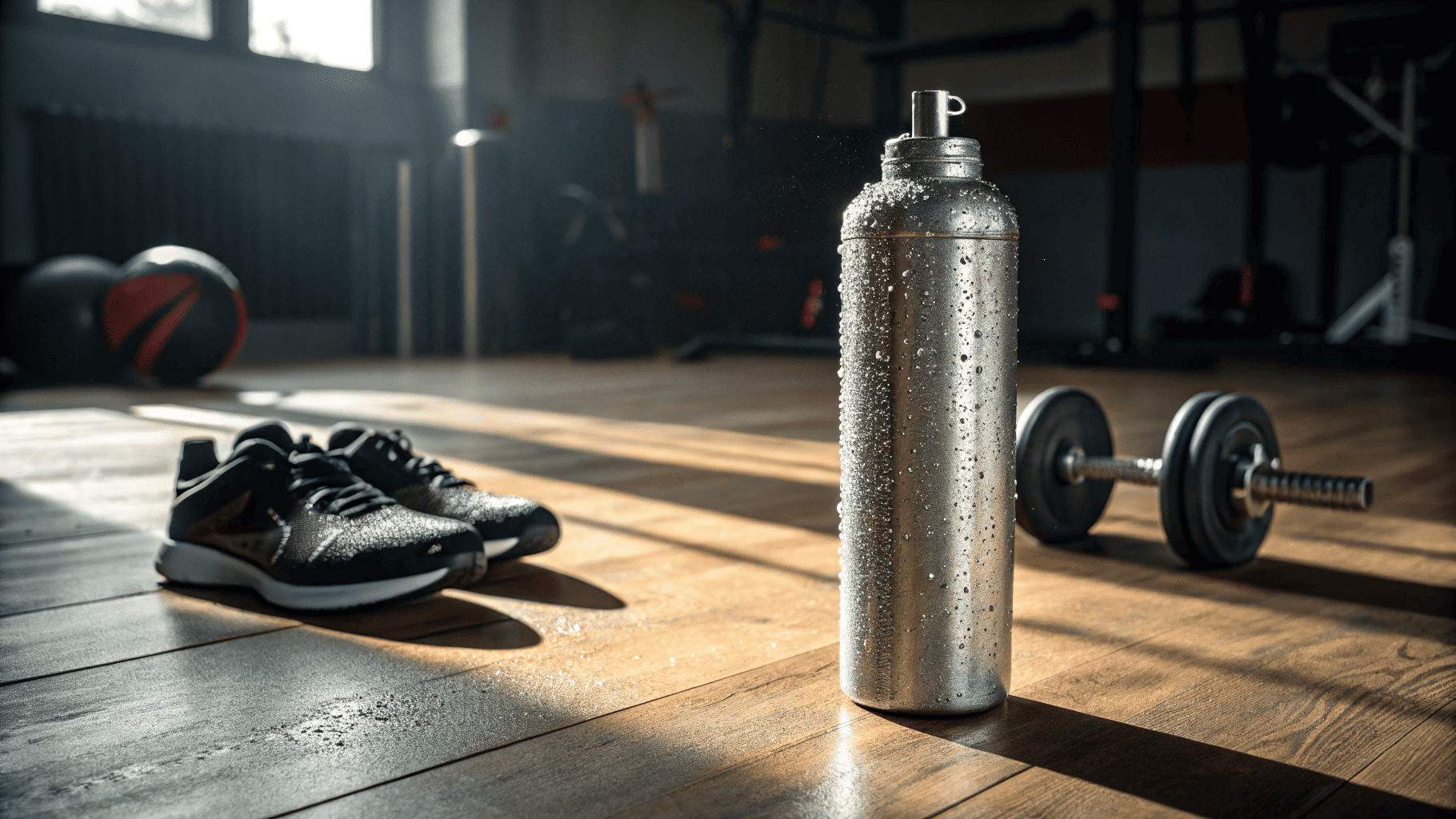
Insulation becomes standard expectation
I attend trade shows in America and Europe regularly. Five years ago, insulated bottles occupied the premium section. Today, they fill entire booth displays. Buyers don't ask "does it keep drinks cold?" anymore. They assume this feature exists. They ask "how many hours of cold retention?"
The shift happened gradually but completely. Manufacturing efficiency improved. Vacuum sealing technology became cheaper. The price gap narrowed between insulated and non-insulated options. A non-insulated bottle might cost me $3 to produce. An insulated version costs $4.50. The buyer pays slightly more, but the end user perceives much higher value.
Mark from Canada taught me this lesson directly. He tried non-insulated bottles for a promotional campaign two years ago. His team ordered 5,000 units. The recipients used them for a few weeks, then switched back to their old insulated bottles. Mark lost money on the order and damaged his brand perception. He now exclusively orders insulated bottles, even for budget promotions.
Beyond temperature control
The reusable bottle market expanded beyond simple hydration. People carry bottles as fashion accessories. They coordinate colors with outfits. They collect limited editions. They display bottles on desks as status symbols. This cultural shift changes what makes a successful promotional item.
A non-insulated bottle signals budget constraint rather than thoughtful gift. The recipient understands immediately that you chose the cheapest option. This perception damages your brand message. An insulated bottle at $6 retail communicates care and quality. A non-insulated bottle at $4 retail communicates penny-pinching.
I've seen startups make this mistake repeatedly. They need to conserve cash for growth. They choose non-insulated bottles for their launch event. The bottles sit in closets unused. Meanwhile, competitors who spent $2 more per unit create walking advertisements as people carry insulated bottles everywhere.
What will be the next trending water bottle?
You want to stay ahead of market shifts. Ordering now for campaigns six months away means predicting future preferences. Getting this wrong wastes your entire promotional budget.
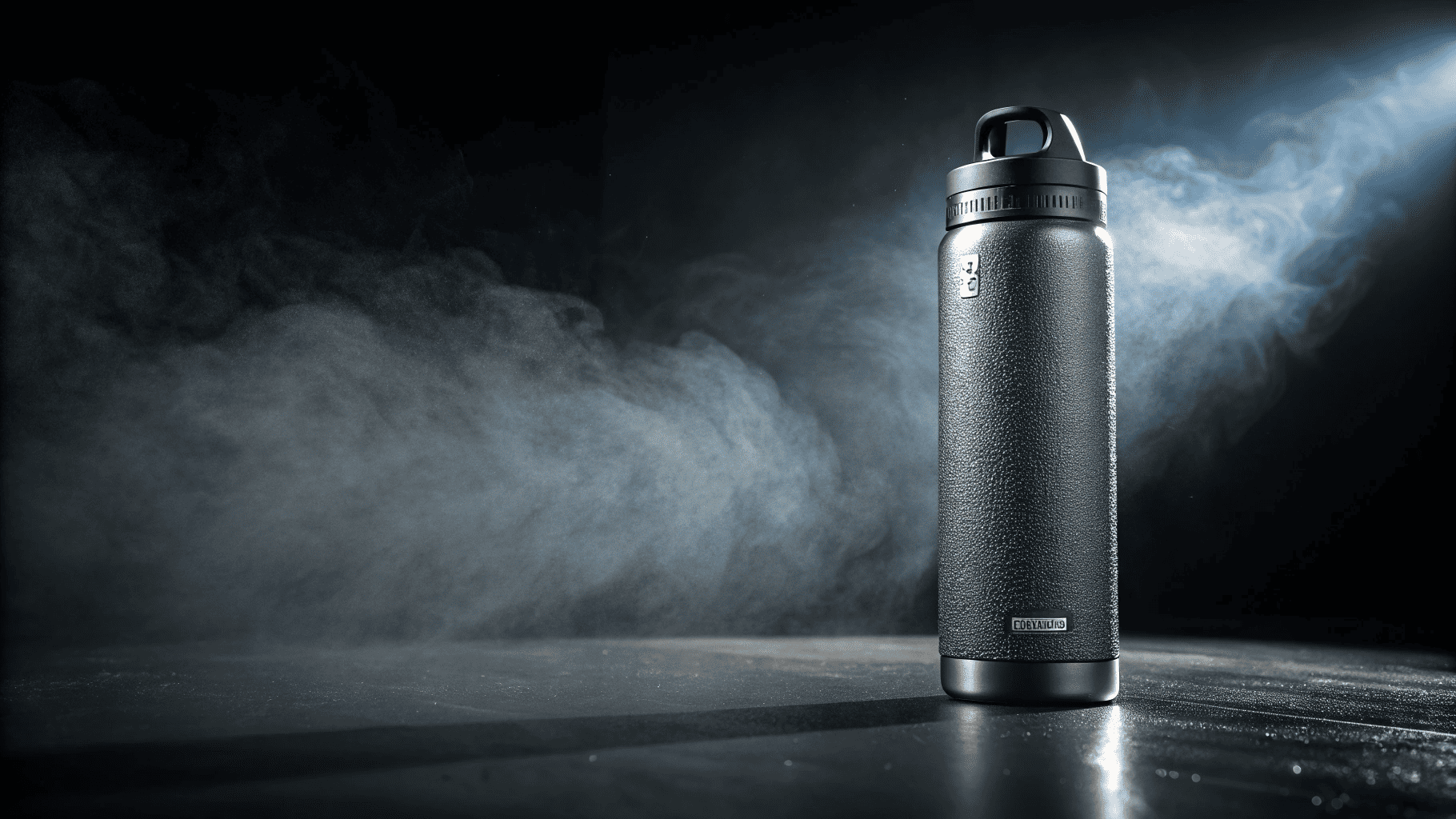
The next trending water bottle combines compact insulation with smart features. Smaller sizes under 500ml gain popularity for urban carry. Modular accessories create customization options. Sustainable materials beyond basic stainless steel attract attention.
Compact insulated designs
I started receiving requests for smaller insulated bottles3 last year. Buyers wanted 12oz and 14oz options instead of the standard 20oz size. Urban professionals need bottles that fit in briefcase pockets and small bags. They refill throughout the day rather than carrying large volumes.
This trend actually helps the non-insulated debate. A compact insulated bottle costs about the same as a large non-insulated one. You maintain temperature performance while hitting similar price points. The perceived value stays high because recipients get full insulation technology in a convenient size.
My factory adjusted production lines to accommodate this shift. We now produce 12oz insulated bottles at costs comparable to 20oz non-insulated bottles from three years ago. The manufacturing efficiency breakthrough came from improved vacuum pump technology and streamlined welding processes.
Modular and customizable elements
The next wave focuses on personalization beyond logo printing. Bottles with interchangeable lids serve multiple use cases. A flip lid for gym workouts. A straw lid for office desks. A wide-mouth lid for adding ice cubes. Users buy one bottle body and multiple lid options.
This modular approach creates higher engagement than simple promotional bottles. Recipients invest in the ecosystem. They purchase additional accessories. They use the bottle longer. Your promotional item becomes a platform rather than a disposable gift.
| Trend Direction | Impact on Non-Insulated Viability |
|---|---|
| Compact sizes | Reduces price gap with insulated |
| Modular designs | Requires higher base quality |
| Smart features | Incompatible with basic construction |
| Sustainability focus | Demands longevity over low cost |
Material innovation
Recycled stainless steel enters mainstream production. Ocean plastic conversions create compelling brand stories. Bio-based materials offer compostable end-of-life options. These innovations cost more upfront but align with corporate sustainability commitments.
A non-insulated bottle from recycled materials might cost the same as a standard insulated bottle from virgin steel. You face a choice between material story and functional performance. Most buyers in 2026 want both. They seek insulated bottles made from sustainable materials. This combination pushes non-insulated options further to the margins.
I work with certifications constantly - FDA, LFGB, REACH compliance for different markets. The certification costs stay the same whether the bottle includes insulation or not. This fixed cost makes non-insulated bottles less attractive from a value perspective. You pay similar compliance expenses for inferior performance.
Conclusion
Non-insulated water bottles face declining viability for 2026 promotions. The market moved toward insulation as baseline expectation. Compact insulated designs close the price gap while delivering superior perceived value.