
Insulated water bottle cost breakdown: FOB vs DDP and landed cost math
You see a factory quote for insulated water bottles at $3.50 FOB. You budget $3.50 per unit. Then customs hits you with fees that push your real cost past $5.00. Your profit margin just disappeared.
FOB cost is the manufacturer's price to load goods onto a vessel at the origin port. Landed cost includes FOB price plus international freight, insurance, customs duties1, port charges, inland transportation, and broker fees—the true total to get products into your warehouse.

I learned this the hard way in my first year at Icobottle. A buyer ordered 10,000 stainless steel water bottles based purely on our FOB quote. He forgot to calculate duties and freight. His budget blew up at customs. Now I walk every client through the full cost breakdown before they commit.
What is the difference between FOB cost and landed cost?
You think FOB cost covers everything until your shipment arrives. Then surprise charges appear from freight forwarders2, customs brokers, and port terminals. Your "great deal" suddenly looks expensive.
FOB cost is what you pay the supplier to manufacture and load goods onto a ship. Landed cost is the total expense to deliver those goods to your warehouse door, including all fees, taxes, and transportation costs along the way.
Breaking down FOB cost components
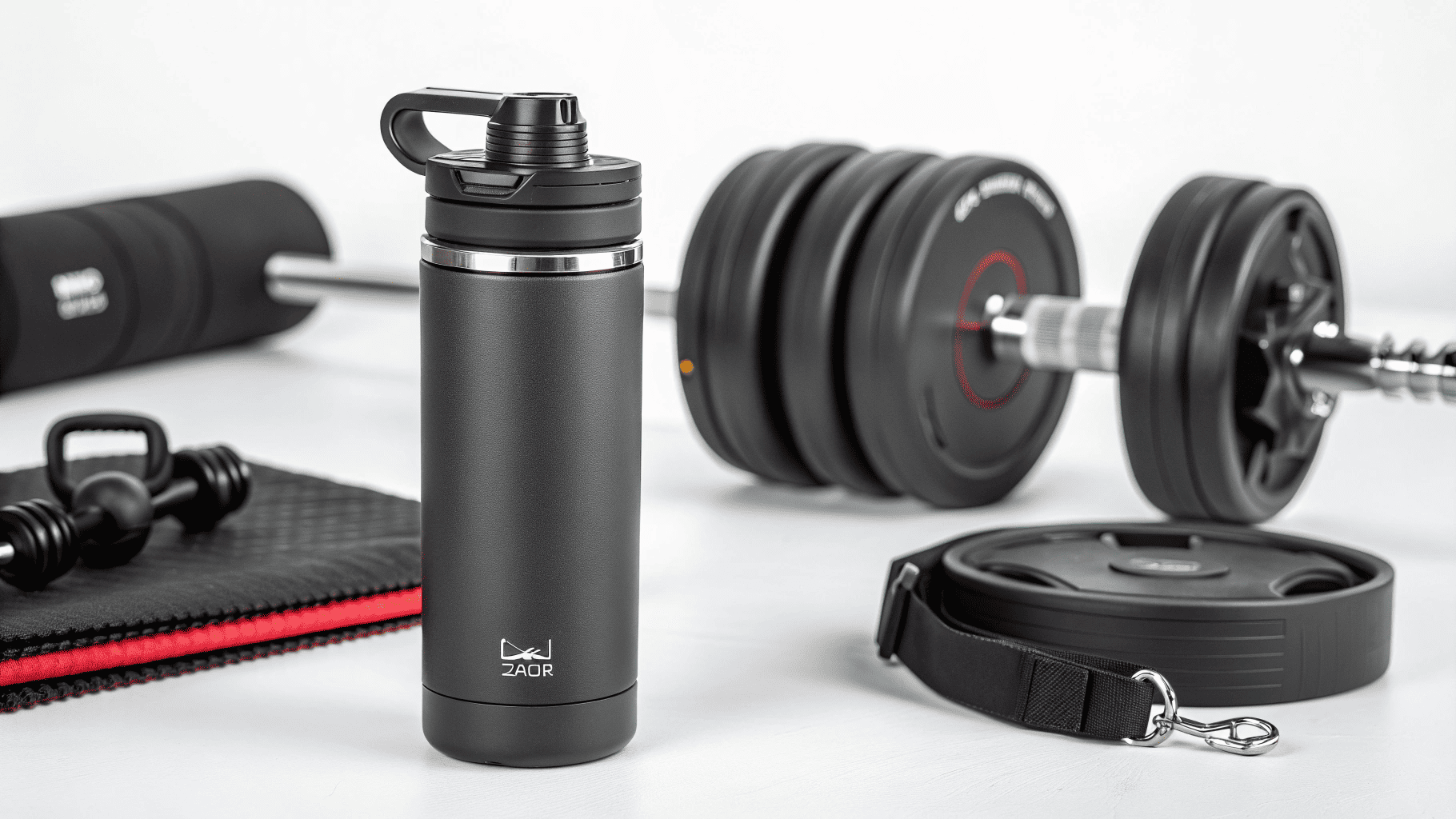
FOB stands for Free On Board. This means the supplier handles everything until goods cross the ship's rail at the departure port. Our standard FOB quote at Icobottle includes the product manufacturing cost, quality inspection, packaging, and local handling to get containers onto the vessel.
We use 30% deposit and 70% against copy of Bill of Lading as standard payment terms. You pay the remaining 70% when we prove the goods shipped. This protects both sides. The FOB price does not include what happens after the ship leaves China.
Most buyers choose sea freight for bulk orders of stainless steel water bottles. Air freight and express delivery are options for urgent or small orders. But the FOB price stays the same regardless of which shipping method you pick. The difference shows up in your freight costs.
What landed cost actually includes
Landed cost is your real cost per unit. I calculate this for clients using a simple formula:
| Cost Component | Typical Range | Who Pays |
|---|---|---|
| FOB Price | Base cost | Buyer to Supplier |
| International Freight | $0.20-$0.80/unit | Buyer to Freight Forwarder |
| Marine Insurance | 0.3-0.5% of cargo value | Buyer to Insurance Company |
| Customs Duties | 0-25% of FOB value | Buyer to Customs |
| Port Charges | $200-$500 per container | Buyer to Port Authority |
| Customs Broker Fee | $100-$300 per shipment | Buyer to Broker |
| Inland Transportation | $300-$800 per container | Buyer to Trucking Company |
A $3.50 FOB water bottle can easily become $4.80 landed in the US or $5.20 landed in Europe. Duties on stainless steel products vary by country. The US currently charges around 5-10% on stainless steel water bottles. Europe adds VAT on top of duties.
I had a Canadian client, similar to Mark, who purchased 5,000 insulated bottles at $4.20 FOB. He calculated his landed cost at $5.85 per unit after all fees. This let him price his rebranded product correctly and maintain healthy margins.
What is the DDP landed cost?
You want simple pricing without surprise fees. Your supplier quotes DDP but charges more than FOB. You wonder if DDP is worth the premium or just an overpriced convenience.
DDP means Delivered Duty Paid. The supplier takes full responsibility for delivering goods to your warehouse, including paying all customs duties, taxes, and transportation costs. You receive one invoice covering everything from factory to your door.
How DDP pricing works
DDP flips the responsibility. Instead of you arranging freight, insurance, customs clearance, and trucking, the supplier handles it all. They quote one price that covers every step.
At Icobottle, we offer DDP for clients who prefer simplicity. We partner with freight forwarders who have established routes to major markets. We calculate the full landed cost, add our margin for managing the logistics, and give you a single DDP price.
The difference between FOB and DDP is control versus convenience. FOB gives you control over freight selection and customs processes. DDP gives you predictable costs without logistics headaches.
When DDP makes sense for your business
DDP works best for specific situations. New importers without established freight partnerships benefit from DDP. You avoid the learning curve of customs procedures and freight negotiations. Small orders under 500 units often cost less DDP than FOB because suppliers get bulk freight rates you cannot access.
Tight timelines also favor DDP. If you need products for a specific event or sales season, having the supplier manage logistics reduces delays from inexperienced handling.
But DDP has limits. Large volume buyers lose negotiating power on freight. If you ship 10,000+ units regularly, you can negotiate better rates directly with freight forwarders than what suppliers offer in DDP pricing.
| Scenario | Best Choice | Reason |
|---|---|---|
| First-time importer | DDP | Avoid customs complexity |
| Regular bulk buyer | FOB | Control freight costs |
| Urgent small order | DDP | Faster processing |
| Cost optimization focus | FOB | Lower per-unit costs |
| Peak season risk | DDP | Guaranteed delivery |
I shipped to a startup founder in Germany last year. He ordered 800 custom logo water bottles. DDP made sense because he had no import experience. We handled everything. He paid one price and received goods at his warehouse without touching customs paperwork.
Are landed costs independent of FOB terms?
You compare suppliers and notice different FOB prices. You assume landed costs will balance out since freight and duties are the same for everyone. This assumption can cost you thousands.
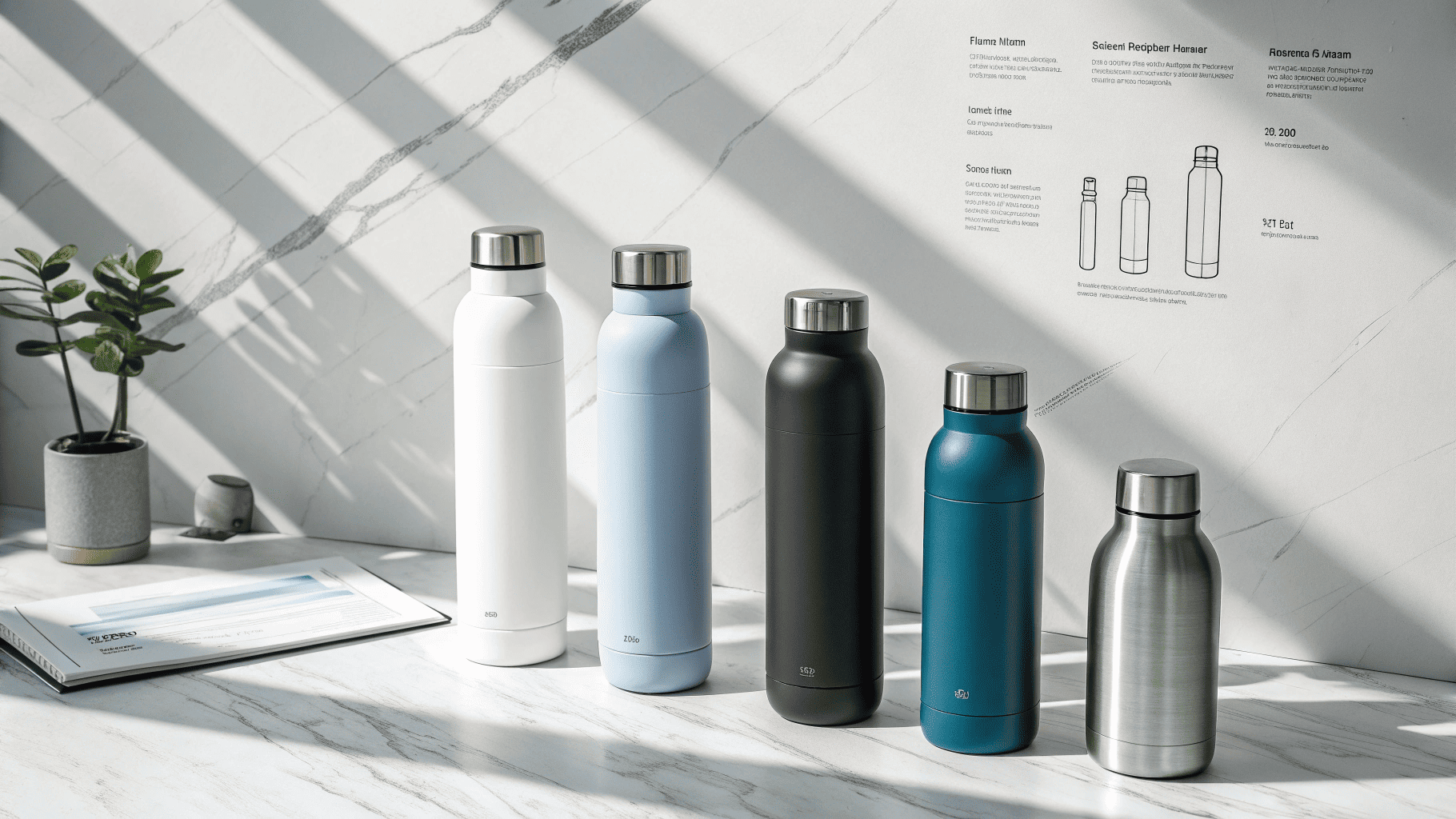
Landed costs are not independent of FOB terms. Your FOB price directly impacts your landed cost because customs duties calculate as a percentage of FOB value, and higher FOB costs mean higher duty payments in most countries.
The multiplier effect of FOB on total costs
This surprised me when I first ran the numbers. Duties multiply the FOB cost difference between suppliers. If Supplier A quotes $3.50 FOB and Supplier B quotes $4.00 FOB, the landed cost gap exceeds $0.50.
A 10% customs duty means Supplier A costs you $0.35 in duties while Supplier B costs $0.40. Add the $0.50 FOB difference plus the $0.05 duty difference, and your gap reaches $0.55. Freight based on weight or volume adds another variable if packaging differs.
I created this comparison for a client choosing between two suppliers:
| Cost Element | Supplier A | Supplier B | Difference |
|---|---|---|---|
| FOB Price | $3.50 | $4.00 | +$0.50 |
| Freight (per unit) | $0.45 | $0.45 | $0.00 |
| Insurance | $0.02 | $0.02 | $0.00 |
| Customs Duty (10%) | $0.35 | $0.40 | +$0.05 |
| Port & Broker Fees | $0.15 | $0.15 | $0.00 |
| Inland Transport | $0.12 | $0.12 | $0.00 |
| Total Landed Cost | $4.59 | $5.14 | +$0.55 |
The client initially thought the difference was only $0.50. The real gap was $0.55 per unit. On 5,000 units, that is $2,750 extra cost from choosing the higher FOB supplier.
Why FOB variations affect landed costs differently by market
Different countries charge different duty rates on stainless steel products. This changes how much FOB variations impact your landed cost. The US charges lower duties on stainless steel water bottles than Europe or Canada.
If you import to a high-duty market, FOB price matters even more. A $0.50 FOB difference becomes a $0.63 landed cost difference at 25% duty rates. The same FOB difference becomes only a $0.53 landed cost difference at 5% duty rates.
Customization also affects FOB cost. Premium materials like double-wall vacuum insulation or food-grade 304 stainless steel increase FOB price. Enhanced packaging for retail presentation adds cost. Custom powder coating colors cost more than standard finishes.
I work with buyers who want premium products. They accept higher FOB costs for better quality. But they need to understand this raises their landed cost through both the direct FOB increase and the duty multiplier effect.
One client switched from standard stainless steel to premium 304 food-grade steel. His FOB price jumped from $3.20 to $3.90. His landed cost increased from $4.35 to $5.25 per unit. He knew this going in because we calculated it together. His target market paid premium prices, so the math worked.
Conclusion
FOB cost is your starting point. Landed cost is your real investment. DDP offers convenience at a premium. Smart sourcing requires calculating total costs beyond the factory quote.