
Purist water bottles for private label: odor control, taste-neutral specs
Every B2B buyer faces the same frustration. You receive sample bottles that smell like yesterday's coffee. Your customers complain about metallic tastes. Finding truly neutral bottles seems impossible.
Private label purist water bottles use food-grade 304 stainless steel with specific chromium-nickel ratios. The material creates an inert surface that blocks odor retention and taste transfer. Quality bottles maintain beverage purity across hundreds of use cycles.
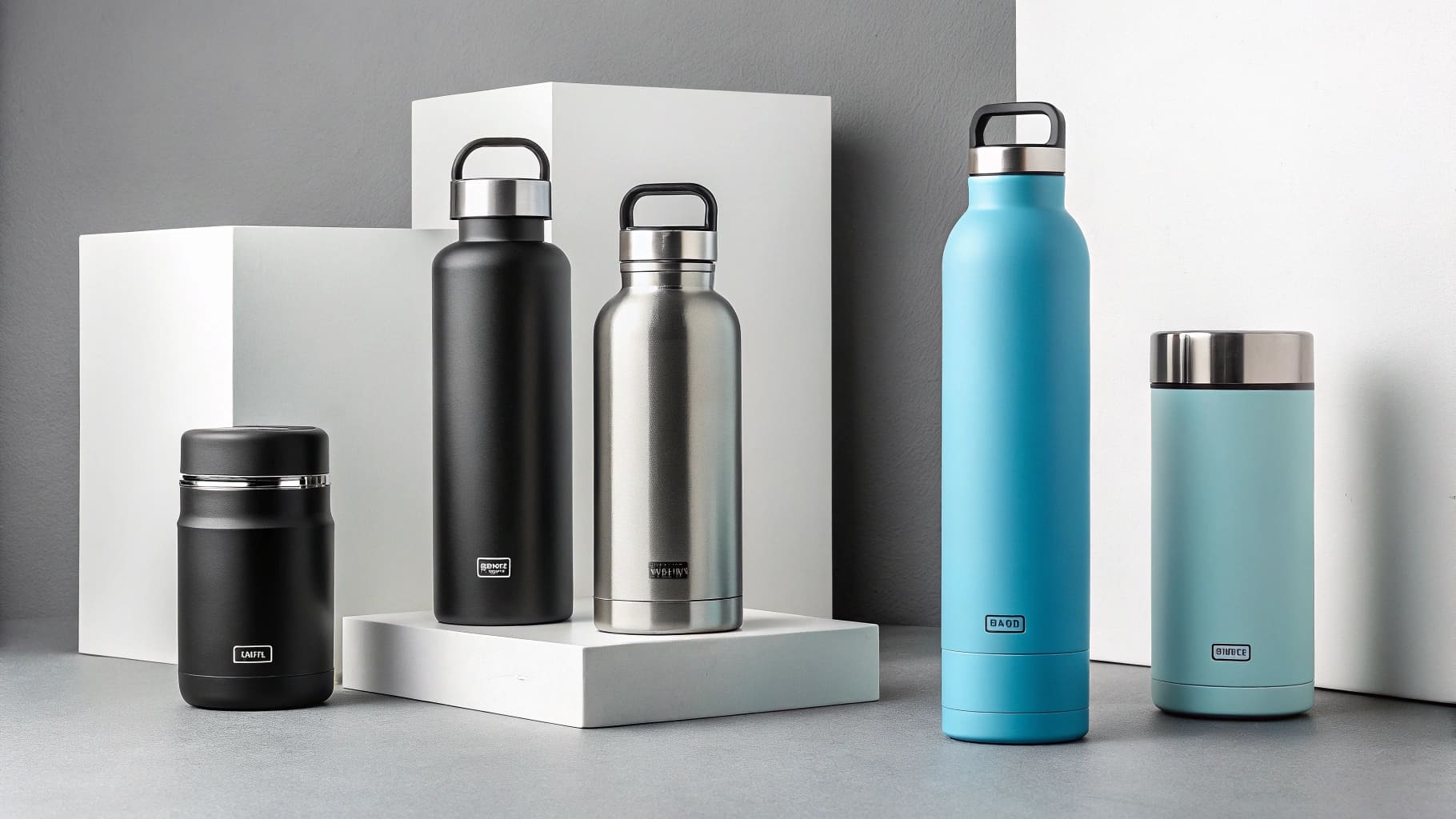
I work with dozens of Canadian distributors each year. Most tell me the same story. They order bottles based on photos and price quotes. The samples arrive and look perfect. But after the first coffee test, problems appear. That burnt smell lingers. The next beverage tastes wrong. I want to help you avoid these costly mistakes by breaking down what actually matters in material specs.
What is a Purist water bottle made of?
You open a supplier catalog and see "stainless steel" listed everywhere. The descriptions all sound identical. Different factories quote different prices. You wonder what separates premium materials from cheap alternatives.
Purist-quality water bottles require 304-grade stainless steel (18/8 composition). This means the steel contains minimum 18% chromium and 8% nickel. These specific percentages create corrosion resistance and eliminate flavor absorption.
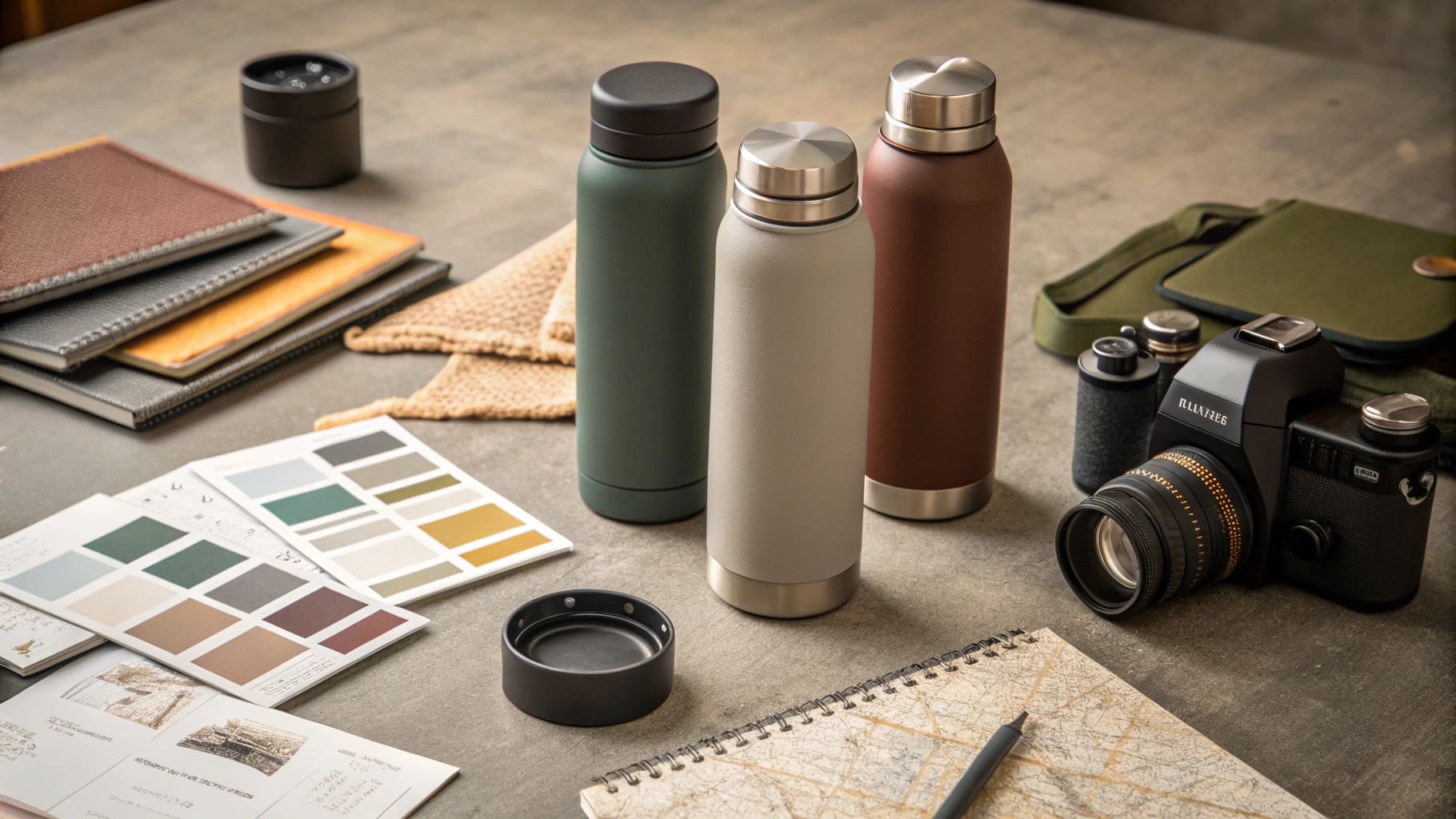
The material grade makes all the difference
I remember when a Toronto-based buyer contacted me last spring. His previous supplier had shipped 5,000 bottles marked as "304 stainless steel." His customers reported a strange metallic taste within weeks. He sent samples to a testing lab. The results showed 201-grade steel instead of 304. The supplier had substituted cheaper material.
The difference between 304 and 201 steel comes down to nickel content. Grade 201 contains only 1% nickel. Grade 304 contains 8% nickel. That 7% gap changes everything about how the material behaves with liquids.
Nickel creates a stable passive layer on the steel surface. This layer prevents interaction between the metal and your beverage. Without enough nickel, acids in coffee or juice can react with iron particles. The reaction creates that metallic taste.
| Material Grade | Chromium % | Nickel % | Taste Transfer | Cost Difference |
|---|---|---|---|---|
| 201 Steel | 17% | 1% | High risk | 15-20% cheaper |
| 304 Steel | 18% | 8% | No transfer | Standard price |
I always recommend asking for mill certificates. These documents prove the steel composition. A legitimate manufacturer provides these without hesitation. If a supplier avoids this request, that tells you something important about their material quality.
Are Purist water bottles non-toxic?
Your customers ask about BPA. Parents worry about chemical leaching. Corporate buyers need safety documentation for their procurement teams. One certificate isn't enough anymore.
Quality purist bottles meet multiple safety standards including BPA-free, FDA approval, and LFGB certification. Every component from the steel body to silicone seals undergoes independent testing. Non-toxic bottles maintain safety across temperature ranges and beverage types.
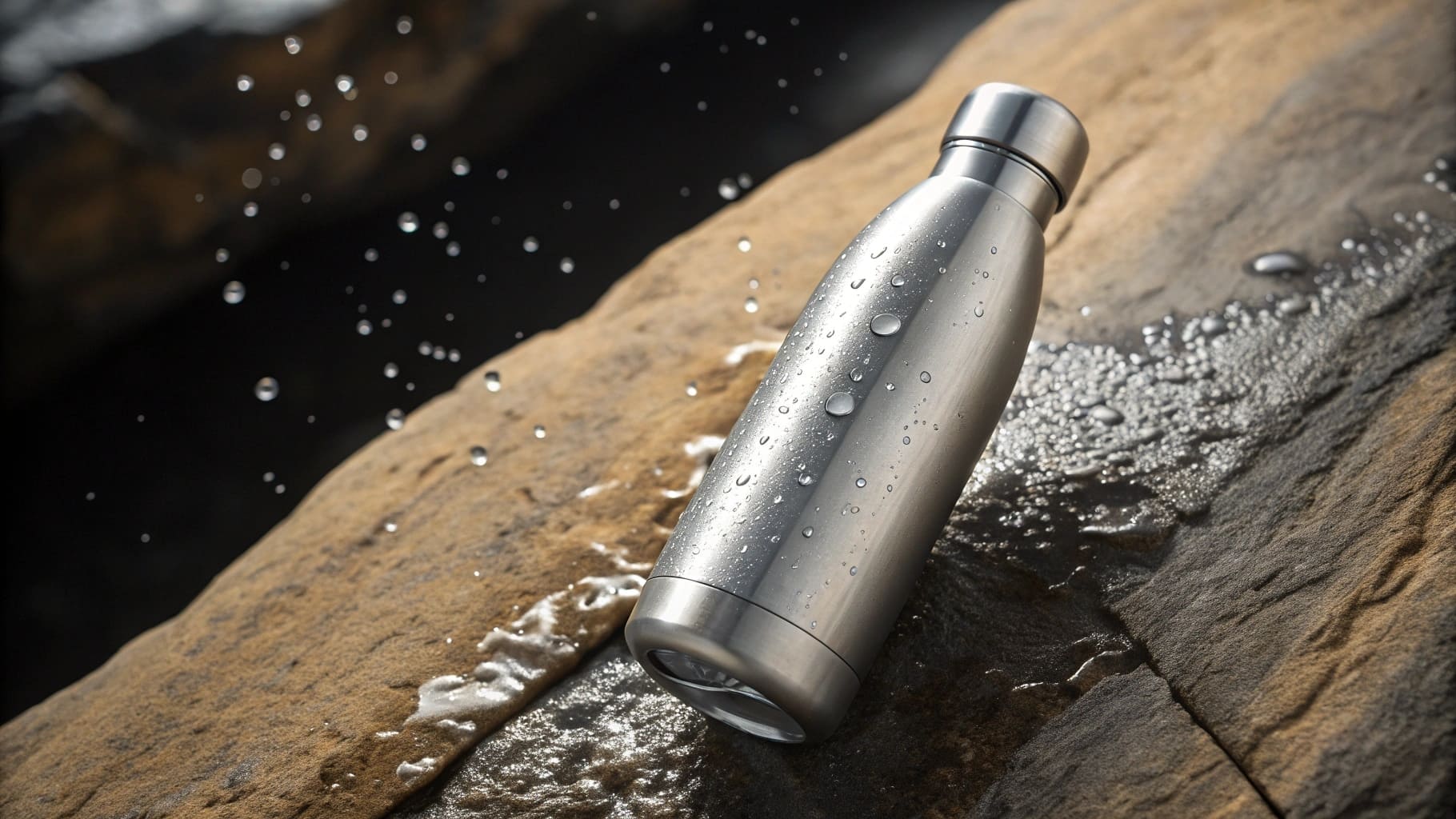
Safety certifications you actually need
I ship bottles to buyers in Seattle, Vancouver, and Montreal regularly. Each region has different regulatory expectations. A buyer in Washington State needs FDA compliance. A Quebec distributor requires both FDA and LFGB standards. Understanding these requirements saves you from customs delays.
BPA-free status covers the plastic components. Most bottles use polypropylene (PP5) for lids and caps. This plastic type withstands high temperatures without leaching chemicals. But the certification must come from an independent lab, not just the manufacturer's claim.
FDA approval confirms the materials meet United States food contact standards. The testing examines migration levels when stainless steel contacts acidic beverages. Compliant materials show zero heavy metal transfer even after extended exposure.
LFGB certification represents European food safety standards. German testing protocols are more rigorous than FDA requirements. A bottle with LFGB approval automatically meets most other international standards.
| Certification | Region | What It Tests | Renewal Period |
|---|---|---|---|
| BPA-Free | Global | Plastic components only | Per production batch |
| FDA | USA | Material migration | Annual |
| LFGB | Europe | Comprehensive safety | Every 2 years |
The silicone seals deserve special attention. Low-quality silicone absorbs odors and degrades quickly. Food-grade silicone maintains flexibility across temperature extremes. I've seen cheap seals crack after just 50 wash cycles. Premium seals last beyond 1,000 cycles.
Who makes Purist water bottles?
You search Google for manufacturers. Hundreds of suppliers claim "top quality" and "best prices." The websites look professional. But you need to distinguish between trading companies and actual factories.
Specialized OEM manufacturers produce purist-quality bottles with controlled production environments. These factories invest in precision equipment for welding, vacuum sealing, and quality testing. Direct factory partnerships eliminate middleman markups while ensuring consistent specifications.
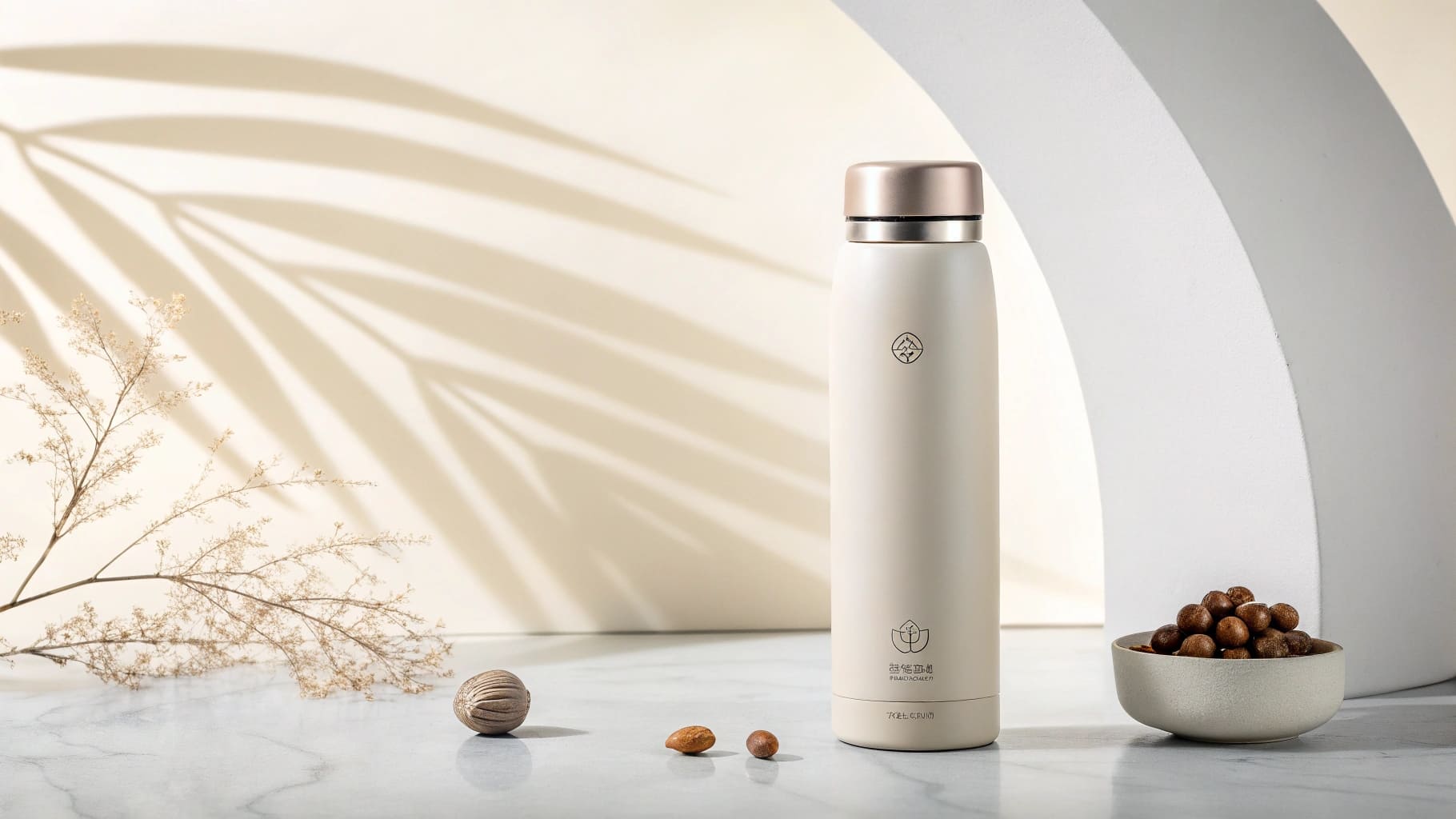
Finding the right manufacturing partner
I built my factory relationships over fifteen years. The learning curve was expensive. I visited facilities in Guangdong, Zhejiang, and Fujian provinces. Most factories I toured couldn't meet premium standards. Only a handful demonstrated the quality control systems1 necessary for purist-grade products.
A real manufacturer owns the production equipment. They control the welding lines, vacuum pumping stations, and pressure testing chambers. When you visit, you see these machines operating. Trading companies rent space in shared facilities or simply broker orders between buyers and factories.
The vacuum insulation process reveals manufacturing capability. Creating a true vacuum between the inner and outer walls requires specialized equipment. The factory must heat the assembled bottle to extreme temperatures. Then they pump out the air between walls and seal the evacuation port. Poor sealing causes heat transfer and condensation problems.
I test every production batch we export. The heat retention test is simple. Fill the bottle with boiling water. Check the temperature after 6 hours. Quality bottles maintain above 65°C. Inferior products drop below 50°C.
| Factory Type | Equipment Ownership | Quality Control | Customization Ability | Price Structure |
|---|---|---|---|---|
| Trading Company | None | Limited oversight | Depends on factory | 15-25% markup |
| Small Factory | Partial | Basic testing | Standard options | Competitive |
| Advanced OEM | Complete | Comprehensive | Full customization | Direct pricing |
Surface finishing capabilities separate advanced manufacturers from basic producers. Powder coating requires dust-free spray booths and curing ovens. Gradient effects need precise color mixing and application timing. Multi-layer printing demands registration accuracy across curved surfaces.
I work with buyers who want their brand identity visible on every bottle. The customization options2 include laser engraving, silk screen printing, heat transfer, and hydro dipping. Each technique has specific durability characteristics. Laser engraving never fades. Silk screen printing offers vibrant colors. Your choice depends on brand positioning.
The minimum order quantity tells you about factory scale. Large manufacturers set MOQs around 3,000-5,000 pieces per design. They've invested in automated production lines. Smaller operations accept 1,000-piece orders but lack consistency between batches.
Conclusion
Material specifications, safety certifications, and manufacturing capabilities determine whether private label bottles meet purist standards. Direct factory partnerships with testing protocols protect your brand investment and customer satisfaction.
