
Insulated tumblers for wholesale: which lids, straws, and gaskets match?
I learned the hard way that matching the wrong lid to a premium tumbler ruins the entire order. Your customers need the right component combinations to prevent returns.
The highest rated tumblers use double-wall vacuum insulation with precise lid systems. Match straw lids to outdoor use, flip lids to commuters, and clear lids to visual branding needs for different market segments.
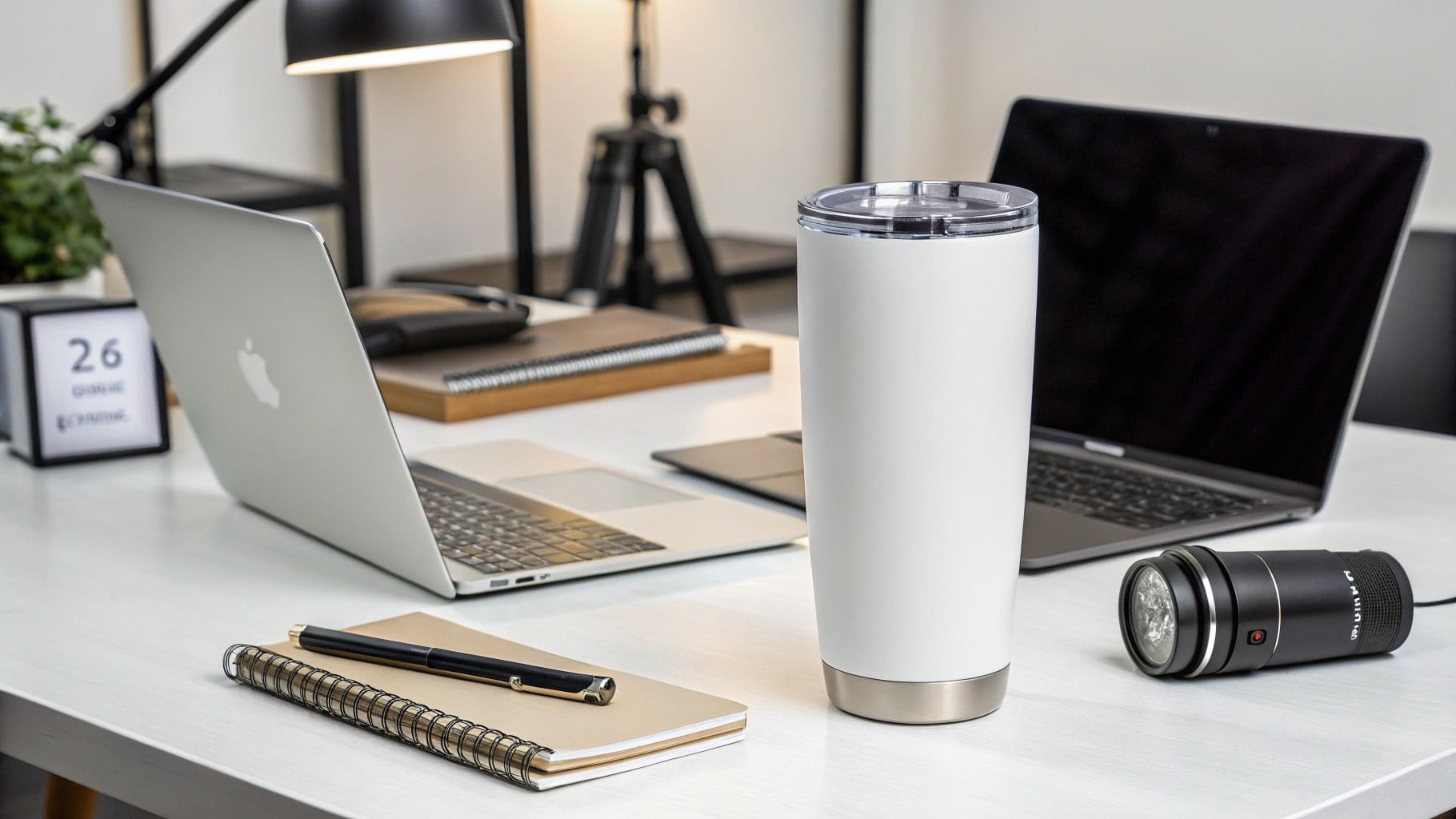
I spent three years helping wholesale buyers avoid component mismatches. The biggest mistake I see is focusing only on the tumbler body while ignoring lid compatibility. Your profit margin depends on getting this ecosystem right from the first order.
What is the highest rated insulated tumbler?
The top performers share four features that your customers actually test. I watch buyers check these specifications before they sign contracts.
Highest rated tumblers combine double-wall vacuum insulation, sweat-proof powder coating1, electro-polished interiors, and tapered bases. They maintain cold drinks for nine to twenty-four hours and fit standard car cup holders without surface condensation.
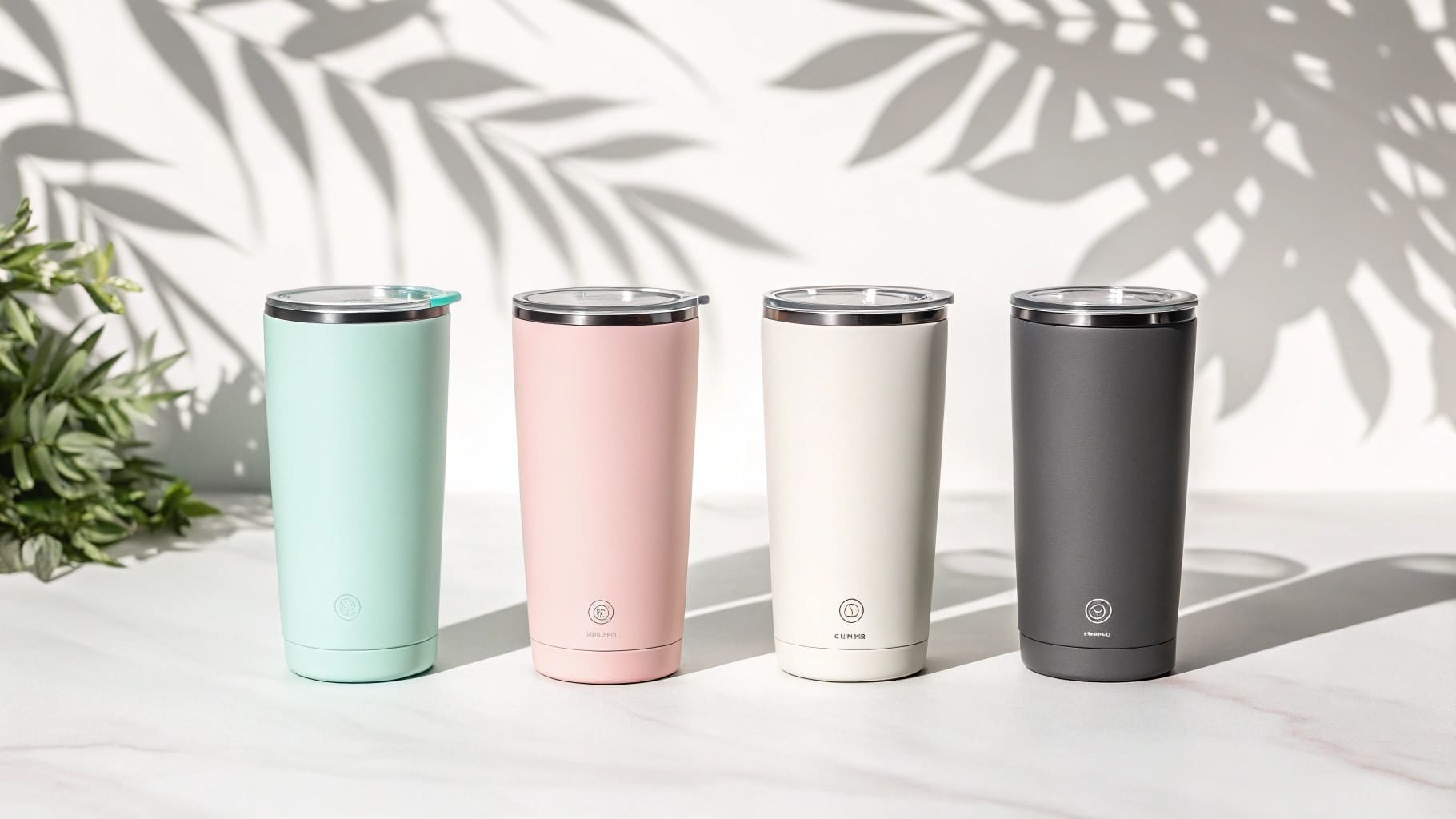
The technical specifications matter more than marketing claims. I recommend you focus on verifiable performance metrics. Double-wall vacuum insulation creates the temperature retention your customers expect. The space between walls blocks heat transfer through conduction. This design keeps cold beverages chilled for nine to twenty-four hours depending on capacity. Hot drinks stay warm for three to twelve hours with the same technology.
The powder-coated exterior serves two purposes for wholesale value. It prevents condensation from forming on the outside surface. Your customers want this feature because desk surfaces stay dry during office use. The coating also protects against scratches and surface damage during shipping and retail handling. I always test the coating durability before confirming large orders.
Electro-polished interiors eliminate two common complaints. The smooth surface prevents odor retention between uses. Your customers notice metallic aftertaste when interiors are poorly finished. Quality suppliers invest in proper polishing because it directly impacts repeat purchases. The tapered base design fits standard car cup holders. I measure this dimension on every sample because it affects daily usability for end consumers.
| Feature | Performance Standard | Why It Matters |
|---|---|---|
| Vacuum Insulation | Cold: 9-24 hours, Hot: 3-12 hours | Temperature retention drives satisfaction |
| Powder Coating | Sweat-proof + scratch resistant | Protects during shipping and daily use |
| Interior Polish | No odor or metallic taste | Reduces returns and complaints |
| Base Diameter | Fits standard cup holders | Ensures vehicle compatibility |
Are all stainless steel tumblers the same?
Most buyers assume stainless steel quality is identical across suppliers. I see procurement officers learn this costly lesson after their first shipment fails inspection.
All stainless steel tumblers are not the same. The baseline requires 304 18/8 food-grade material with eighteen percent chromium and eight percent nickel. This composition provides rust-resistance and BPA-free safety that B2B clients demand.
The material composition creates the foundation for wholesale differentiation. I check the 304 stainless steel certification on every supplier audit. The 18/8 designation refers to the chromium and nickel percentages. Eighteen percent chromium provides corrosion resistance. Eight percent nickel adds durability and maintains the rust-free surface. Some suppliers substitute inferior grades to lower costs. Your customers will notice the difference within months of regular use.
The modular component ecosystem separates competitive suppliers from basic manufacturers. I work with buyers who need multiple lid configurations for different market segments. Successful suppliers offer straw lids for outdoor activities and sports use. They provide flip lids for office environments where one-handed opening matters. Clear lids work for visual branding strategies. Sports lids serve the athletic market. The 2-in-1 combination lids address customers who want both sip openings and straw access in a single product.
The customization flexibility determines your long-term supplier relationship value. I recommend you evaluate capacity variations from 240ml to 40oz options. Check interchangeable lid system compatibility across sizes. Review available surface finishes including brushed stainless steel, spray painting, and powder coating options. Confirm logo application methods2 match your branding needs. Laser engraving creates permanent markings. Screen printing allows full-color designs. Heat transfer works for complex graphics.
| Component | Configuration Options | Market Application |
|---|---|---|
| Capacity | 240ml to 40oz | Different usage scenarios |
| Lid Types | Straw, flip, clear, sports, 2-in-1 | Specific customer needs |
| Finishes | Brushed, painted, powder coated | Brand differentiation |
| Logo Methods | Laser, screen print, heat transfer | Customization requirements |
Do tumblers with straws prevent spills?
The spill-prevention question reveals a critical procurement consideration. I test this feature because it directly impacts customer satisfaction and return rates.
Tumblers with straws prevent spills only when the complete sealing system is properly engineered. High-performing models integrate precision-fitted straw lids with silicone gaskets, leak-resistant flip mechanisms, and silicone-tipped reusable straws3 that create airtight seals together.
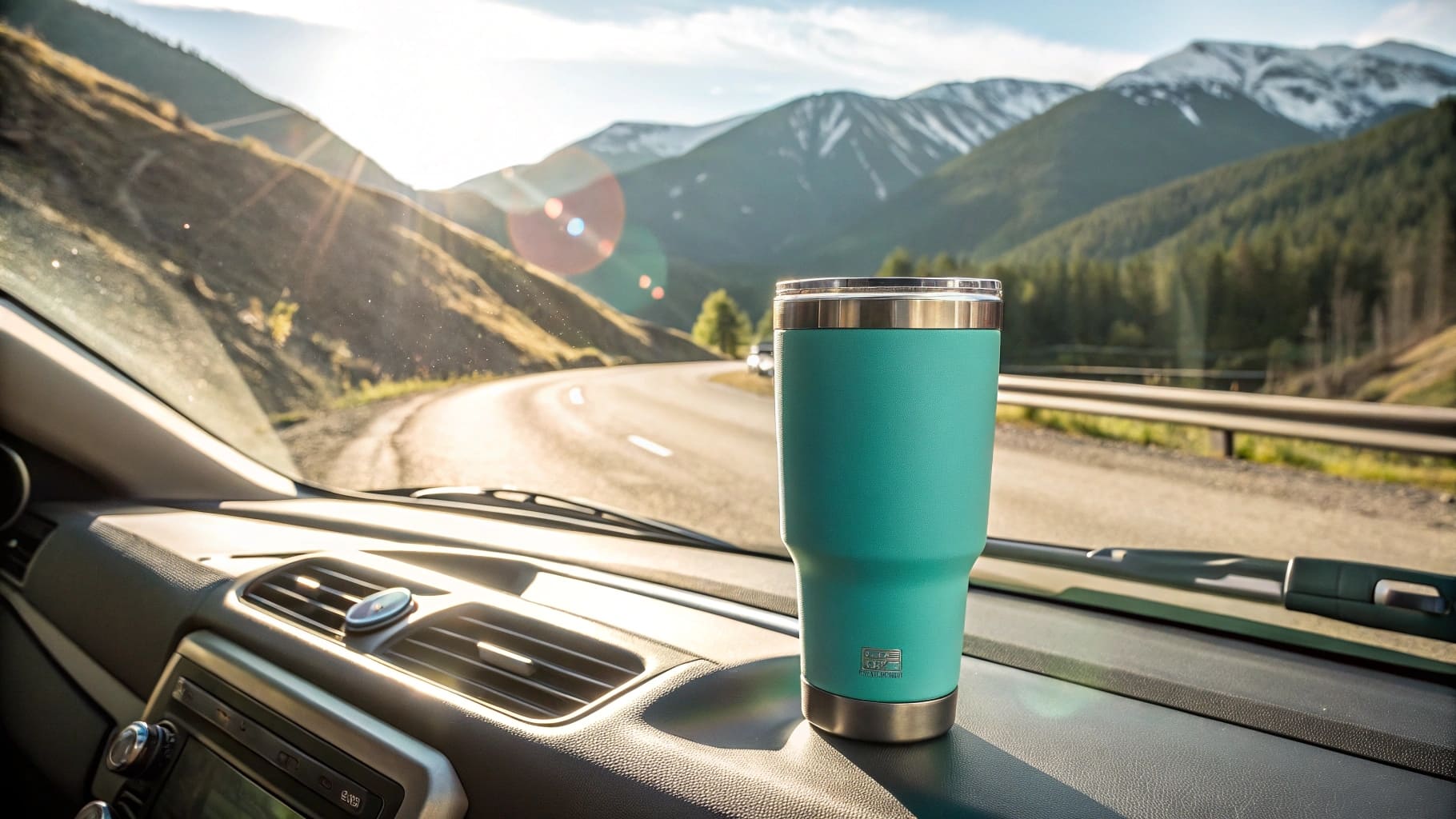
The three synchronized components must work as a complete system. I learned this after a buyer received tumblers with poorly fitted straw holes. The precision-fitted straw lid forms the first barrier against leaks. The hole diameter must match the straw thickness exactly. Any gap allows liquid to escape during transport or tipping. I measure this tolerance on sample inspections before approving production runs.
Silicone gaskets provide the critical sealing function. Cheap gaskets fail within weeks of regular use. Quality suppliers use food-grade silicone that maintains flexibility through temperature changes. The gasket sits between the lid and tumbler rim. It compresses to create a watertight seal. I recommend you test gasket performance by filling samples completely and shaking them vigorously. Any leakage indicates insufficient gasket quality.
The leak-resistant flip mechanism enables one-handed operation without spills. The spring-loaded design snaps closed securely after each use. I check the flip mechanism strength on every sample. Weak springs allow the lid to open during bag storage or vehicle movement. The silicone-tipped reusable straw completes the spill-prevention system. The flexible tip bends without breaking. It creates an airtight seal against the straw hole when properly installed.
The component quality directly impacts your wholesale success. I work with importers who demand complete assembly samples before confirming orders. You need to verify that all three elements work together. Premium 304 stainless steel bodies provide no value when gasket failure causes customer complaints. Smart procurement strategies focus on suppliers demonstrating complete system performance.
| Sealing Component | Quality Indicator | Test Method |
|---|---|---|
| Straw Lid Fit | Precise hole diameter | Measure with calipers |
| Silicone Gasket | Food-grade flexibility | Temperature cycle testing |
| Flip Mechanism | Strong spring closure | Shake test when full |
| Straw Tip | Silicone seal creation | Pressure testing |
Conclusion
Match lid configurations to your target markets and verify complete sealing systems. Your wholesale success depends on component compatibility, not just the lowest unit price.