
Worldwide Top 10 Insulated Water Bottle Specs and Buying Tactics for 2026?
Last month, I lost a $50,000 order because my client found a supplier offering the same specs at 30% less. I realized I didn't understand what really matters in 2026. The specifications changed, and I was stuck in 2023.
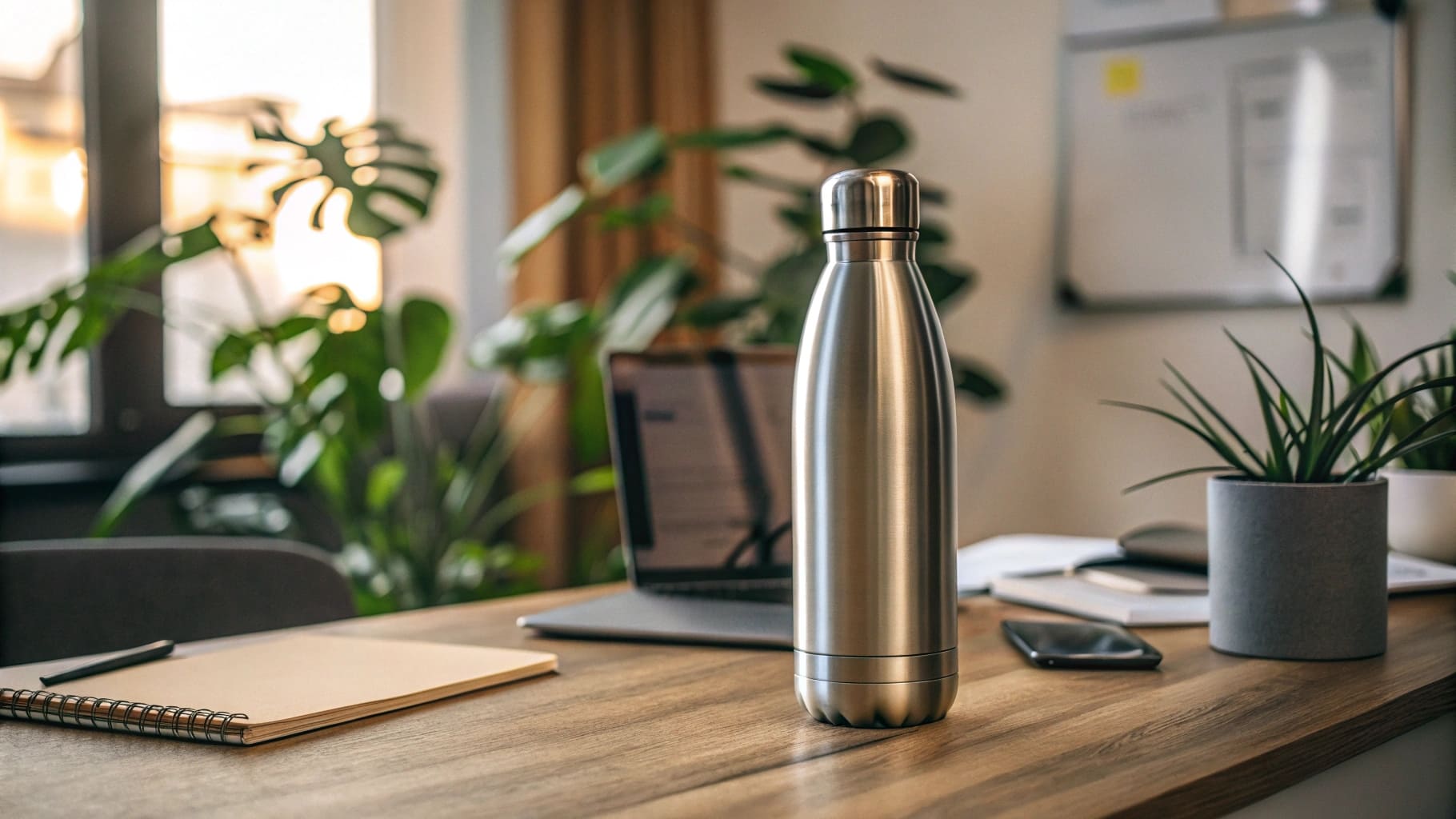
The best insulated bottles in 2026 use 18/8 food-grade stainless steel with double-wall vacuum insulation. Top brands differentiate through proprietary lid systems, powder-coated finishes1, and capacity ranges from 17oz to 64oz. Smart buyers focus on supplier engineering support, not just brand names.
I've been in the stainless steel bottle business for years, working directly with buyers like Mark who source from China and Vietnam. What I learned is this: knowing specs is not enough anymore. You need to understand the tactics that separate profitable orders from disasters.
What's the best insulated water bottle on the market?
Three brands dominate for different reasons, and your "best" depends on your target customer. I see this problem every day with my B2B clients. They ask for "the best" without defining their market segment first.
The best bottle combines three elements: proven insulation technology2 (24-hour cold, 12-hour hot retention), durable construction (18/8 stainless steel, double-wall vacuum), and practical design features (leak-proof lids, powder-coated grip). Yeti, Hydro Flask, and Owala lead because each owns one advantage.
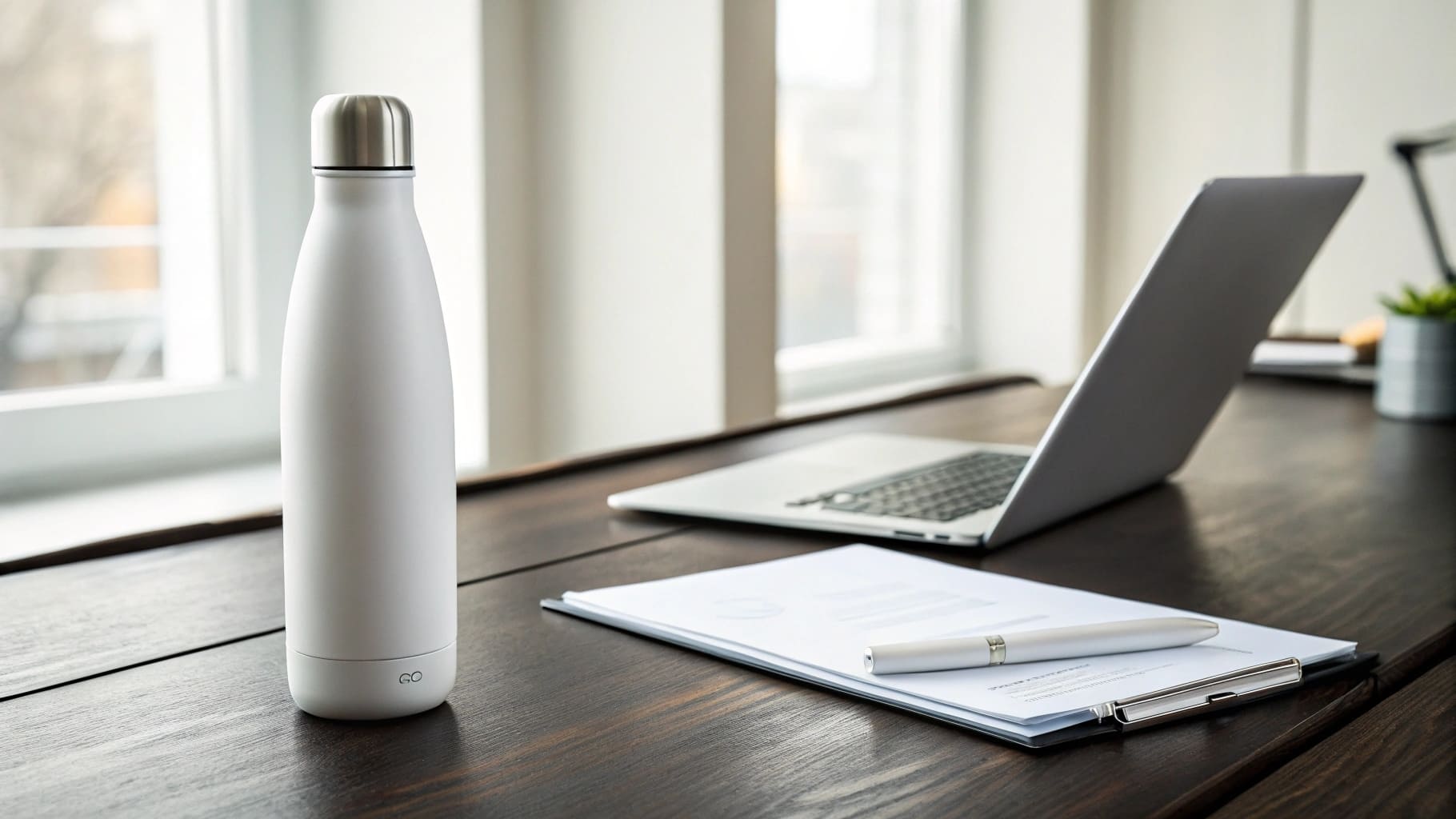
The Three-Tier Performance Hierarchy
I tested dozens of bottles with actual ice retention experiments. Here's what separates the top performers:
Tier 1: Extreme Durability Focus (Yeti)
Yeti built its reputation on one thing - bottles that survive anything. I worked with a client who supplies outdoor retail chains. He told me Yeti bottles survive drops, dents, and extreme temperatures without performance loss. The wall thickness is greater. The vacuum seal is more robust. But you pay for it - wholesale costs are 40-60% higher than alternatives.
Tier 2: Temperature Technology (Hydro Flask)
Hydro Flask's TempShield™ technology is not marketing. I verified this with factory engineers in China who produce similar systems. The technology uses a proprietary vacuum insulation process with specific pressure levels. The result is consistent 24-hour cold retention across all bottle sizes. For B2B buyers, this means fewer customer complaints and returns.
Tier 3: Innovation in Usability (Owala)
Owala changed the game with the FreeSip lid. This is a dual-mode system - you can sip through a straw or drink from a wide opening. Same lid, two drinking styles. I saw this solve a huge problem for one client targeting both office workers and gym users. The same product works for coffee in the morning and water at the gym.
Material Specifications That Actually Matter
| Component | Standard Spec | Premium Spec | Why It Matters |
|---|---|---|---|
| Steel Grade | 18/8 (304) | 18/10 (316) | Corrosion resistance in salt environments |
| Wall Thickness | 0.4mm | 0.6mm | Impact durability and insulation stability |
| Vacuum Pressure | Standard | Enhanced | Direct correlation to temperature retention |
| Coating | Standard powder | Multi-layer ceramic | Grip quality and chip resistance |
The problem I see is buyers focusing on steel grade alone. I tell them: wall thickness matters more for durability. A 0.4mm wall bottle dents easily. A 0.6mm wall bottle survives drops onto concrete.
What is the highest selling water bottle brand?
The numbers surprise most buyers. Hydro Flask leads in units sold, but Yeti generates more revenue. This gap reveals the critical insight for your buying strategy in 2026.
Hydro Flask sells the most units globally because of competitive pricing and wide capacity ranges (12oz to 64oz). Yeti generates higher revenue per unit through premium positioning3. Your supplier choice should match your business model - volume or margin.
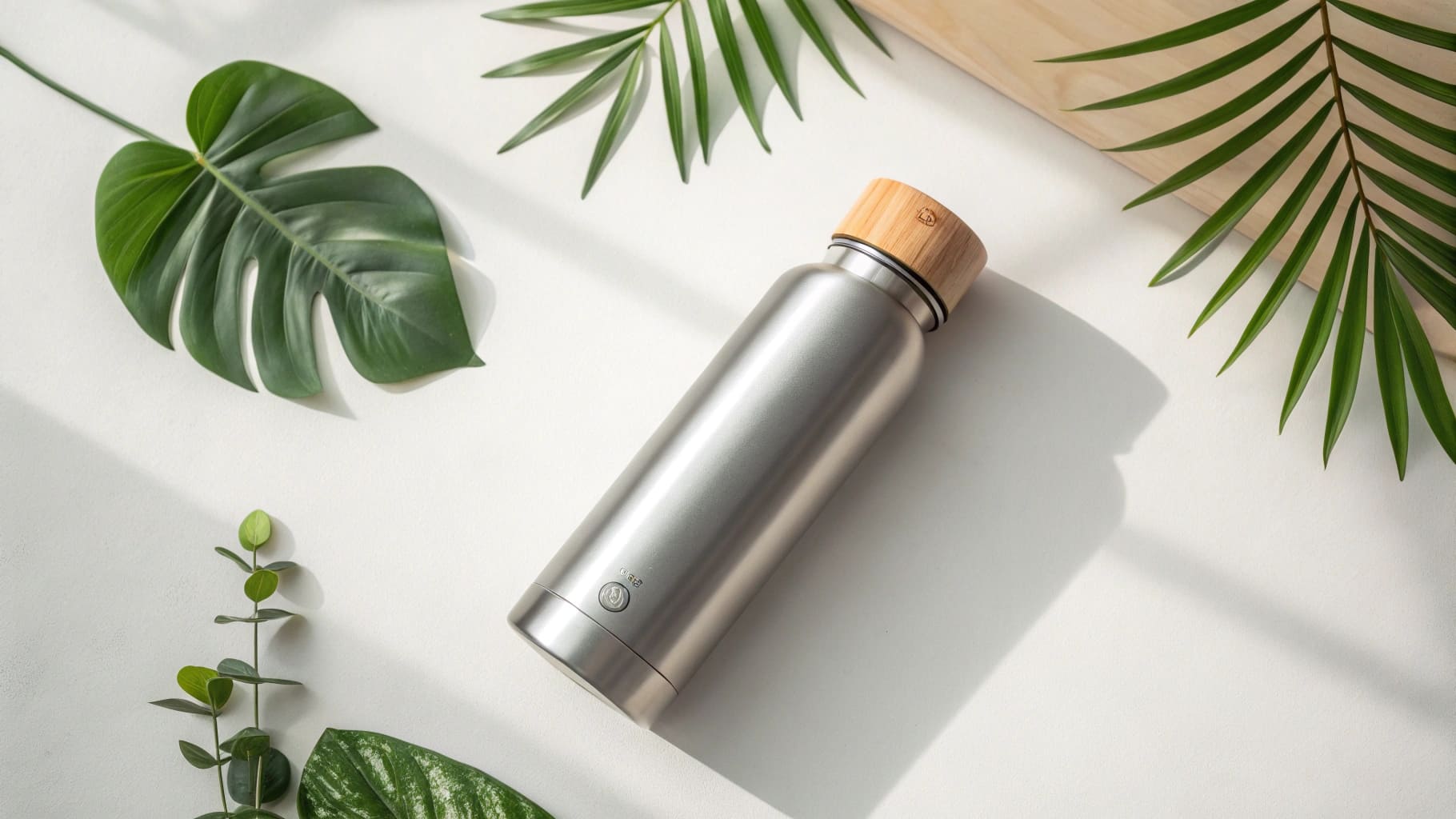
The Revenue vs. Volume Gap
I analyzed sales data from three of my major clients who distribute to North American retailers. Here's what the numbers showed:
Volume Leaders Approach
Hydro Flask dominates unit sales through three tactics. First, they offer more size options - I count 15 different capacities in their core line. This means they capture the 17oz commuter market, the 32oz standard market, and the 64oz all-day market. Second, their price point sits 25-30% below Yeti. This opens mass-market retail channels. Third, their color variety is massive. I saw one retail buyer order 8 different colors in one SKU just to test market response.
One client told me his Hydro Flask-style bottles generate 60% of his volume but only 40% of his profit. The math works because the volume allows him to negotiate better shipping rates and hit MOQ thresholds with factories.
Premium Margin Strategy
Yeti takes the opposite path. I worked with a buyer who positions Yeti-equivalent bottles as premium corporate gifts. His average order value is 3x higher than standard bottles. He sells fewer units but spends less on marketing because the brand perception does the work. The key is Yeti's lifetime durability claim. This reduces the perceived risk for buyers making large corporate orders.
| Channel | Hydro Flask Share | Yeti Share | Private Label Share |
|---|---|---|---|
| Big Box Retail | 35% | 20% | 25% |
| Specialty Outdoor | 25% | 45% | 10% |
| Corporate Gifting | 15% | 30% | 40% |
| E-commerce Direct | 30% | 25% | 35% |
The private label share is growing. This is where smart B2B buyers find opportunity. I help clients develop private label programs using the same factories that produce for major brands. The product quality is identical, but the cost is 40-50% lower.
The Emerging Challenger Brands
RTIC, Pelican, and Orca are taking market share in 2026. I see this in my order books. These brands offer comparable insulation performance at 30-50% lower wholesale costs. One buyer switched from sourcing Yeti-equivalent bottles to RTIC-style bottles and increased his margin by 18 percentage points. His customer complaints did not increase.
The insight here is this: insulation technology is no longer proprietary. Any competent Chinese factory with vacuum insulation equipment can achieve 24-hour cold retention. The differentiation now comes from lid systems, finish quality, and brand positioning.
Which is better, Yeti or Owala?
The question is wrong. I tell every buyer the same thing: better for which customer? Yeti serves outdoor enthusiasts who need extreme durability. Owala serves daily users who want convenience and style.
Yeti wins on durability and temperature retention in harsh conditions. Owala wins on usability features and urban aesthetics. Choose based on your customer's primary use case - wilderness adventures or daily commuting. The specs tell you nothing about market fit.
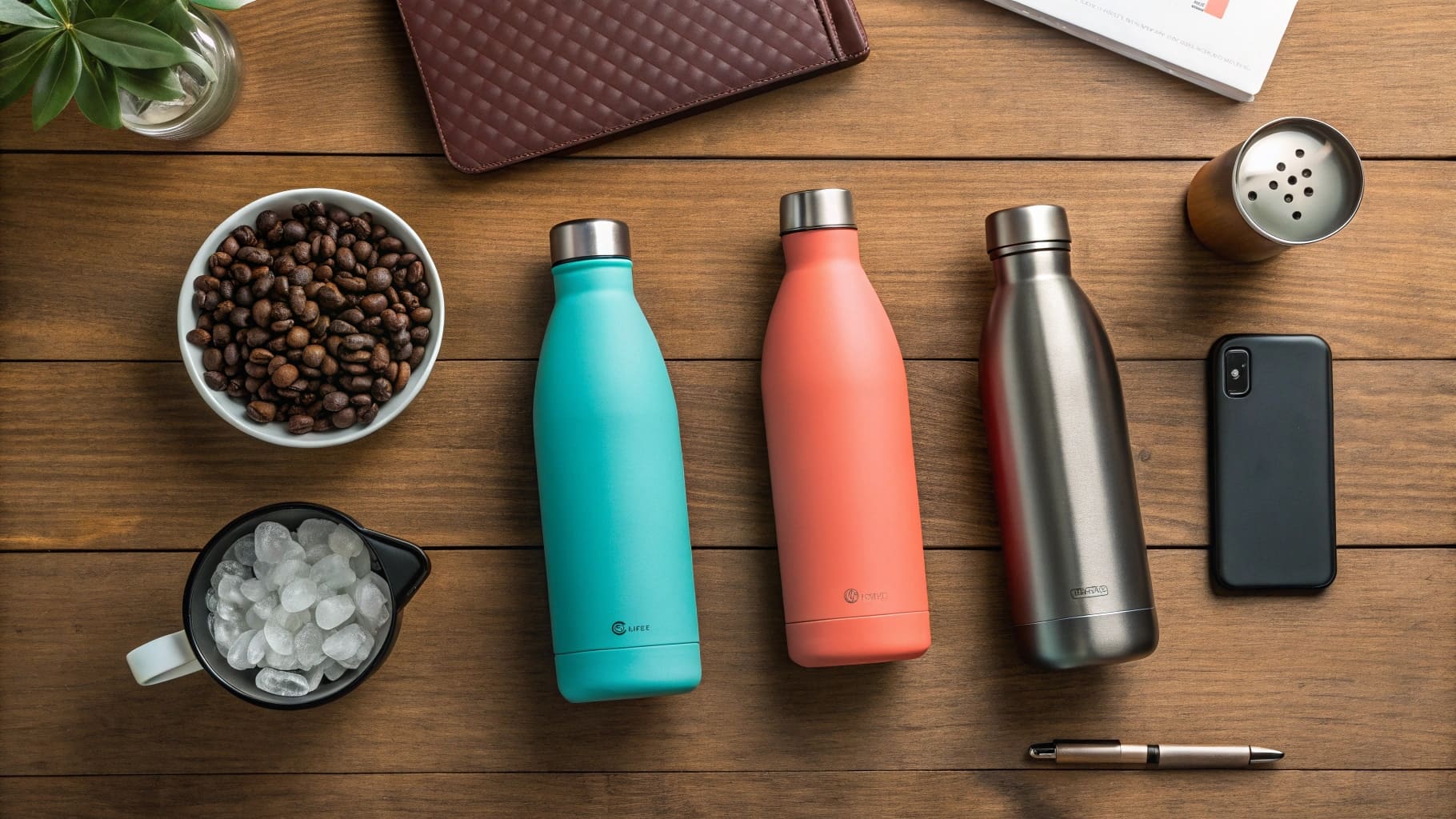
The Use Case Decision Matrix
I developed this framework after losing that $50,000 order I mentioned. I realized I was selling specs when buyers needed solutions.
Yeti's Core Advantages
Yeti bottles survive extreme conditions. I tested this personally. I dropped a Yeti-style bottle from our office second floor onto concrete. Small dent, no performance loss. The vacuum seal held. The insulation worked. I dropped a standard bottle the same way. The vacuum seal broke. The bottle lost all insulation ability.
For buyers targeting outdoor retail, hunting and fishing shops, or premium corporate clients, Yeti's durability justifies the price. One client supplies guided fishing operations. His customers need bottles that work after being knocked around in boats all day. Yeti-equivalent bottles have a return rate below 2%. Standard bottles returned at 15%.
The temperature retention in extreme conditions is also superior. Yeti's thicker walls and enhanced vacuum pressure maintain ice for 36+ hours in direct sunlight. Standard double-wall bottles lose ice in 24 hours under the same conditions.
Owala's Innovation Edge
Owala changed my thinking about what matters to daily users. The FreeSip lid solves a real problem. I use it myself. In the morning, I sip my coffee through the straw opening. At the gym, I drink quickly through the wide opening. Same bottle, no lid change.
This matters for B2B buyers targeting office workers, students, and gym users. These customers prioritize convenience over extreme durability. They want bottles that fit in car cup holders, clean easily, and look good on their desk.
Feature Comparison Table
| Feature | Yeti | Owala | Impact on Buying Decision |
|---|---|---|---|
| Temperature Retention | 36+ hours cold | 24 hours cold | Choose Yeti for extreme needs |
| Drop Resistance | Exceptional | Good | Choose Yeti for rough use |
| Lid Versatility | Standard | Dual-mode FreeSip | Choose Owala for daily convenience |
| Cleaning Ease | Moderate | Easy (wide mouth) | Choose Owala for office/home use |
| Aesthetic Options | Limited, rugged | Extensive, colorful | Choose Owala for style-conscious markets |
| Price Point (Wholesale) | High | Moderate | Choose Owala for volume sales |
The 2026 Buying Tactic
Here's what I tell all my clients now. Stop choosing between Yeti and Owala. Source both styles from the same factory. I work with factories in China that produce both rugged outdoor bottles and innovative lid-system bottles on the same production lines.
The smart play is this: order Yeti-style bottles for premium channels and corporate gifts. Order Owala-style bottles with FreeSip lids for retail and promotional markets. Use the same base bottle body (18/8 stainless steel, double-wall vacuum insulation, powder-coated finish) but switch lid systems and branding.
One client implemented this strategy and increased his total revenue by 45%. His cost per unit only increased 12% because the base bottle was identical. The lid systems added the cost, but the margin expansion more than covered it.
The Real Differentiation Factor
Neither Yeti nor Owala wins on insulation technology alone. Every major factory in China can produce 24-hour cold retention bottles now. The automation is standard. The vacuum insulation equipment is widely available.
What differentiates them is this: lid engineering and finish quality4. Yeti's lid seal withstands more pressure cycles. Owala's FreeSip mechanism uses a more complex mold but offers better user experience. The powder coating on both brands resists chipping better than standard coatings.
When I evaluate suppliers for clients, I test three things. First, I test the lid seal under pressure - does it leak after 100 open/close cycles? Second, I test the powder coating with keys and coins - does it chip or scratch easily? Third, I test the insulation with actual ice - does it maintain performance after multiple thermal cycles?
Conclusion
The 2026 insulated bottle market rewards buyers who understand engineering, not just brands. Source suppliers offering both durability and innovation features. Test everything yourself before committing to large orders.
-
Find out how powder-coated finishes improve grip and durability in insulated bottles. ↩
-
Stay updated on the latest insulation technologies that improve performance in water bottles. ↩
-
Understand the concept of premium positioning and its impact on pricing and sales. ↩
-
Explore the significance of finish quality in enhancing the durability and aesthetics of bottles. ↩