
Confused about which water bottle material best suits your B2B needs? This choice impacts product safety, market appeal, and your brand's reputation. Let's explore the facts.
For B2B buyers, food-grade stainless steel, especially 304 or 316, is generally the superior choice. It's inert, preventing chemical leaching, rust, and flavor retention, ensuring consumer safety and wide market acceptance, particularly in regulated Western markets.
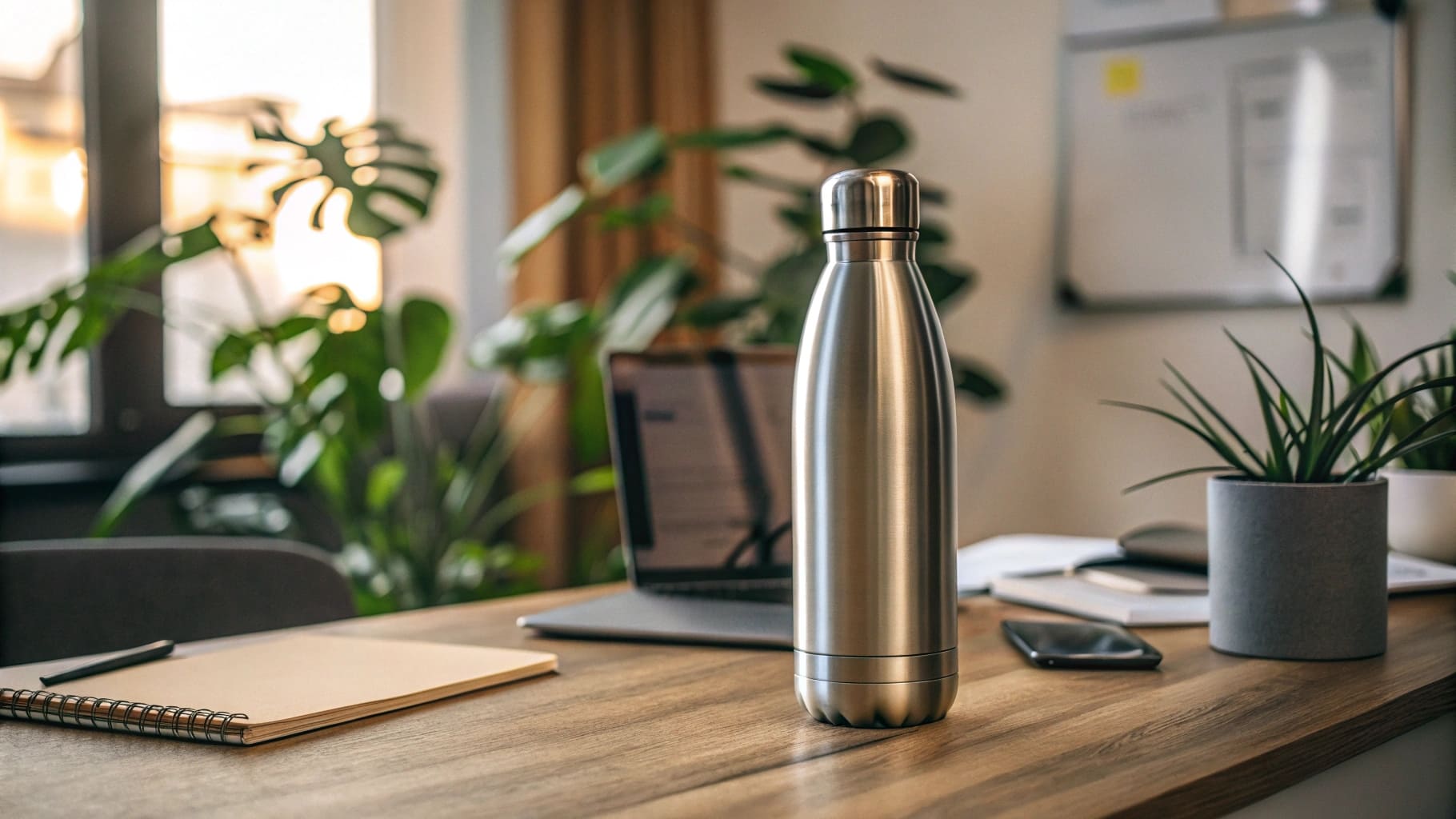
Choosing the right material for water bottles is a big decision for any business in the drinkware industry. As someone who has been manufacturing stainless steel bottles for years, I've seen trends come and go. I want to help you understand the practical differences, especially if you're sourcing products for wholesale or for your brand. Let's dive into what really matters for your customers and your bottom line.
What is the healthiest material for water bottles?
Concerned about product safety and your customers' health? Choosing the wrong material can lead to complaints or worse. Pick a material proven safe for daily use.
Food-grade stainless steel, like 304 (18/8), is widely considered one of the healthiest materials. It's non-reactive, doesn't leach chemicals, and resists bacteria, ensuring pure-tasting water and consumer well-being.
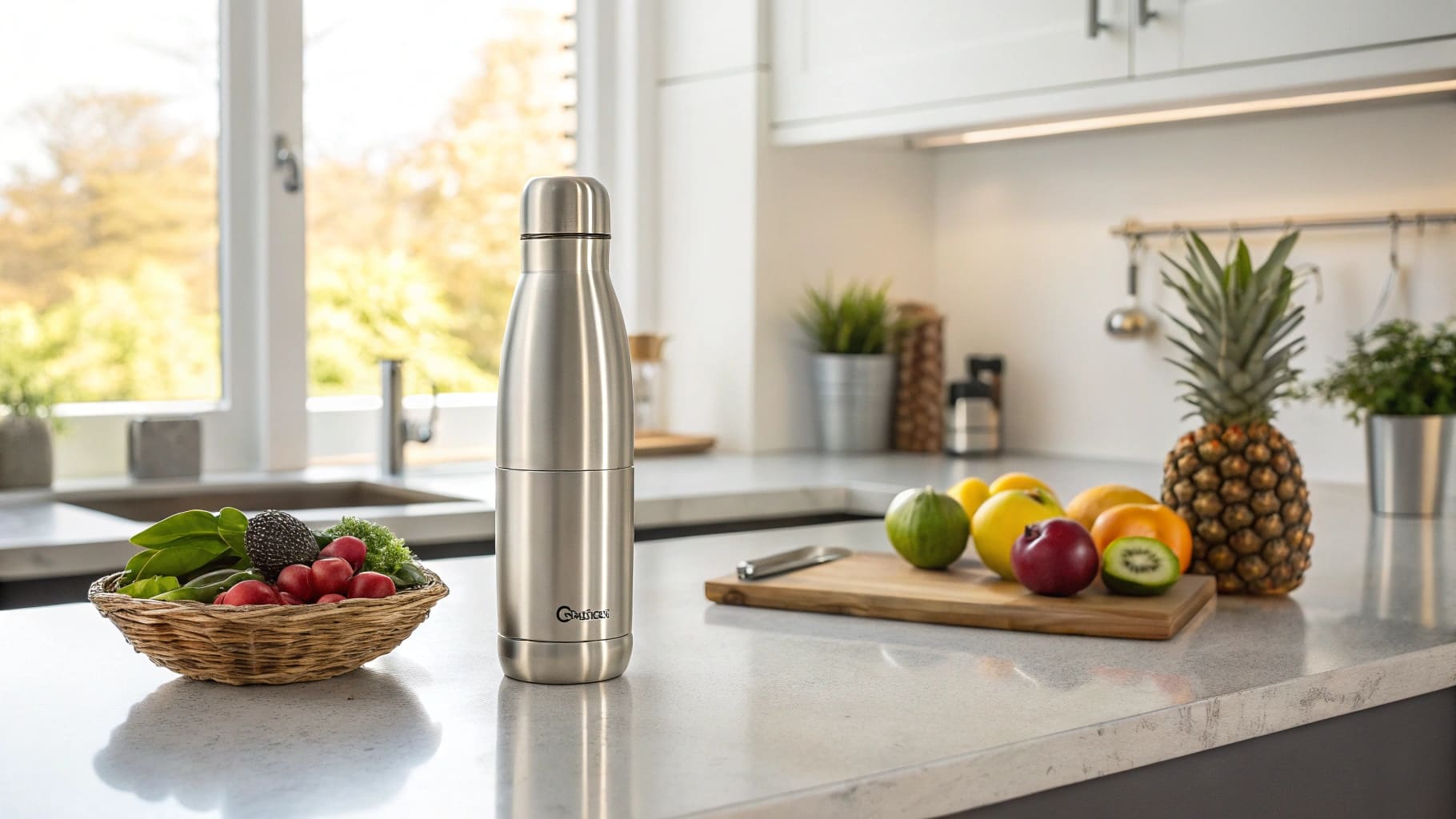
When we talk about "healthy," we mean a material that doesn't negatively interact with the water it holds. It should be stable and not release any harmful substances. This is a top concern for my clients, like Mark from Canada, who always prioritizes quality and safety for his rebranded bottles. He knows that consumer trust is built on safe products.
Understanding Material Inertness
A key factor for a healthy water bottle is "inertness." This means the material doesn't react chemically with the water.
Some materials might release tiny particles or chemicals over time, especially with hot or acidic liquids. This is called leaching.
For B2B buyers, ensuring materials are food-grade and pass tests like FDA or LFGB is crucial. It protects consumers and your business from liability. We at Icobottle always use certified food-grade stainless steel for all our products.
Why Stainless Steel Shines for Health
Food-grade stainless steel, particularly types 304 (also known as 18/8) and 316, is a top pick for health and safety. Here’s why:
- Non-leaching: It doesn’t release harmful chemicals like BPA (often found in some plastics) or heavy metals into the water.
- Corrosion-resistant: It doesn't rust, so you don’t have to worry about rust particles in the water.
- Non-porous: This means it’s harder for bacteria and mold to grow on the surface. It also doesn’t absorb flavors, so your water tastes fresh every time.
- Durability: It can handle daily use and cleaning without degrading.
I often get asked by procurement officers about certifications. We always provide them, ensuring our stainless steel meets international standards. This peace of mind is vital.
What About Copper Bottles?
Copper bottles have gained some attention, often linked to traditional health practices. Some believe storing water in copper vessels has benefits.
However, there are considerations:
- Copper intake: While copper is an essential mineral, too much can be harmful. The body needs a small amount, but excess can lead to toxicity.
- Reactivity: Copper can react with acidic liquids. It's generally recommended only for plain water.
- Cleaning: Copper requires specific cleaning to prevent tarnishing and potential verdigris (a greenish coating) formation, which can be toxic.
- Regulation: The claims about copper's health benefits are not always scientifically substantiated to the satisfaction of regulatory bodies in Western markets.
For businesses targeting a broad consumer base, especially in Europe or America, the proven safety and inertness of stainless steel often make it a more straightforward choice.
Health and Safety Quick Comparison
| Feature | Food-Grade Stainless Steel (304/316) | Copper |
|---|---|---|
| Leaching Risk | Very Low | Potential, especially with acidic pH |
| Corrosion | Resistant | Can tarnish/corrode |
| Flavor Neutral | Yes | Can impart metallic taste |
| Bacteria Res. | Good | Some antimicrobial properties claimed |
| Cleaning | Easy | Requires specific care |
| Regulation | Widely accepted, FDA/LFGB compliant | Less regulated, more niche |
Ultimately, for a B2B context where consistent quality, safety, and broad market appeal are key, stainless steel offers a more reliable and universally accepted healthy option.
Which bottle is better, copper or steel?
Trying to decide between copper and steel for your product line? This choice affects cost, durability, and how your customers perceive your brand. Make an informed decision.
For most B2B applications, stainless steel bottles are better. They offer superior durability, easier mass production with consistent quality, better insulation, and wider market acceptance due to established safety standards.
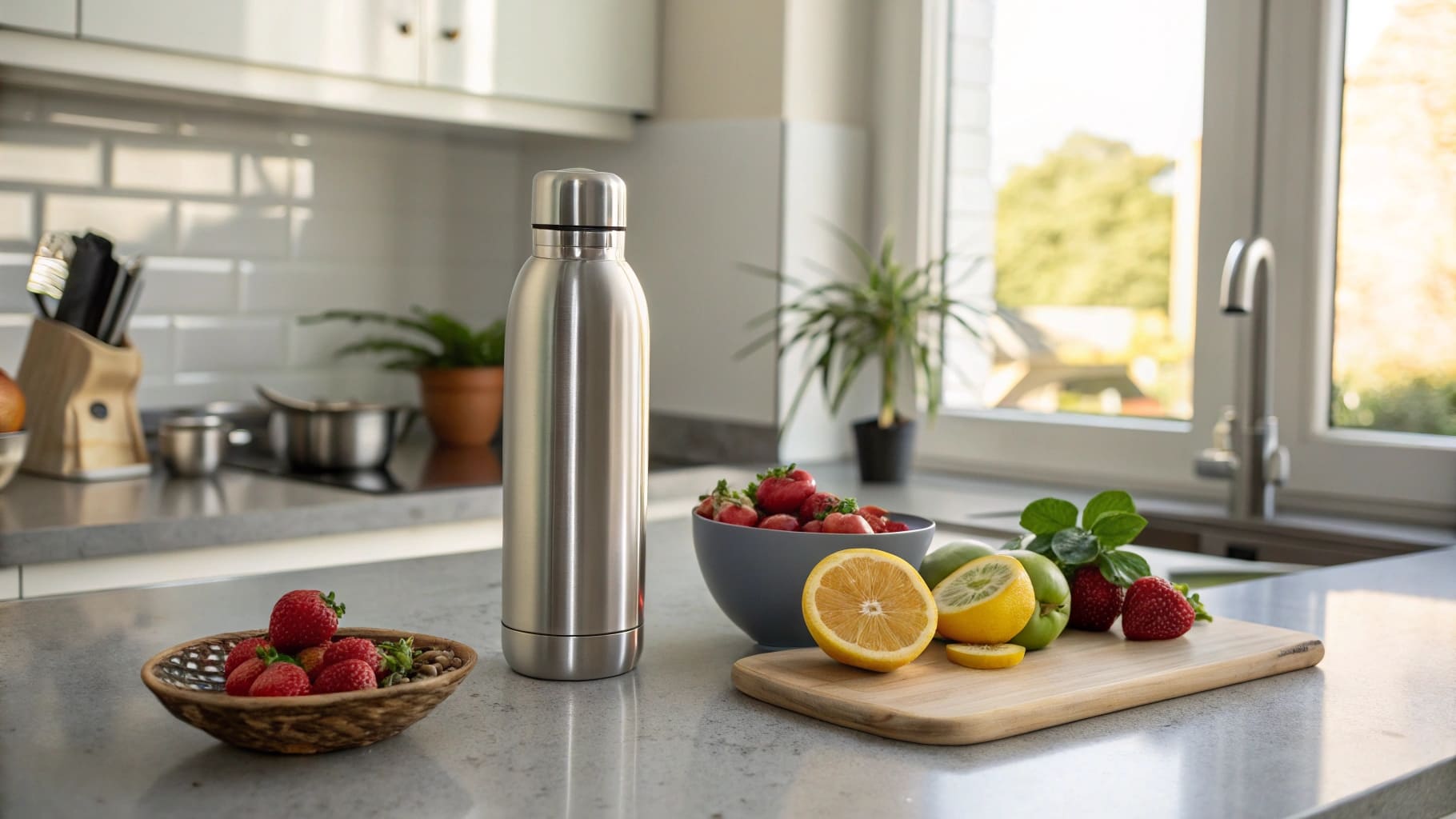
When my clients, especially those like startup bosses looking to make a mark, ask me this question, I always try to guide them based on their target market and business model. It's not just about the material; it's about what that material means for their brand and their customers in the long run. Both have their place, but for volume and versatility, one usually stands out.
Durability and Longevity: Built to Last?
Stainless steel is known for its toughness.
- Stainless Steel: It resists dents, scratches, and corrosion very well. A good quality stainless steel bottle can last for many years, even with daily use. This is a big selling point for consumers who want a sustainable, long-lasting product. Think about everyday drops or being tossed in a bag – steel handles this much better.
- Copper: Copper is a softer metal. It can dent and scratch more easily than stainless steel. While some might like the "patina" that develops on copper over time, others see it as wear and tear. From a manufacturing standpoint, consistency with softer metals can also be more challenging.
For a business, offering a durable product means fewer returns and happier customers. My experience in producing millions of steel bottles confirms their robustness.
Production, Customization, and Cost Factors
From a B2B perspective, production efficiency and customization options are critical.
- Stainless Steel:
- Mass Production: Stainless steel is well-suited for large-scale manufacturing with consistent quality. Processes are established and reliable.
- Customization: It's excellent for various customization techniques – laser engraving logos, powder coating for different colors, screen printing. We offer a wide range of these options at Icobottle.
- Cost: While raw material costs can fluctuate, stainless steel generally offers a good balance of quality and cost-effectiveness for mass-market products.
- Copper:
- Production: Manufacturing can be more specialized. Achieving a consistent finish might require more steps.
- Customization: Customization options might be more limited or costlier compared to steel.
- Cost: Copper is often more expensive as a raw material than stainless steel. This can push the final product price up, making it more of a premium or niche item.
Mark, my Canadian client, always emphasizes competitive pricing alongside quality. Stainless steel allows us to meet this demand effectively for his large orders.
Market Appeal and Consumer Perception
How consumers see these materials impacts sales.
- Stainless Steel: It's widely recognized as safe, hygienic, and modern. It appeals to a broad audience, from athletes to office workers to eco-conscious consumers. Its association with reusability and reducing plastic waste is strong. The sleek look is also a plus.
- Copper: It often appeals to a niche market interested in Ayurvedic traditions or unique aesthetics. While this market exists, it's generally smaller than the mainstream market for stainless steel bottles. The "wellness" angle can be a draw, but it also requires careful marketing to avoid unsubstantiated claims.
For businesses targeting broad consumer appeal and aiming for volume sales in Western markets like the US and Europe, stainless steel has a clear advantage in terms of market penetration and consumer trust.
Insulation Properties: Keeping it Hot or Cold?
If temperature retention is important, this is a key differentiator.
- Stainless Steel: Double-walled vacuum insulated stainless steel bottles are excellent at keeping drinks hot for many hours or cold for even longer. This is a highly valued feature for coffee mugs, tumblers, and water bottles. This technology is well-established and effective.
- Copper: Copper itself is a good conductor of heat. This means a single-walled copper bottle won't insulate well. Hot drinks will make the bottle hot to touch, and cold drinks will quickly warm up while forming condensation on the outside. While double-walled copper bottles could theoretically exist, they are not common and would likely be very expensive.
Most of our best-selling products at Icobottle are double-walled vacuum insulated stainless steel items, simply because this functionality is so popular.
Is it good to drink water in a steel bottle?
Wondering if steel bottles are truly a good choice for daily hydration? Concerns about taste or safety might make you hesitate. Let's clarify the benefits for your customers.
Yes, drinking water from a food-grade stainless steel bottle is very good. It's a safe, hygienic, and eco-friendly option that doesn't leach chemicals or retain flavors, ensuring pure hydration.
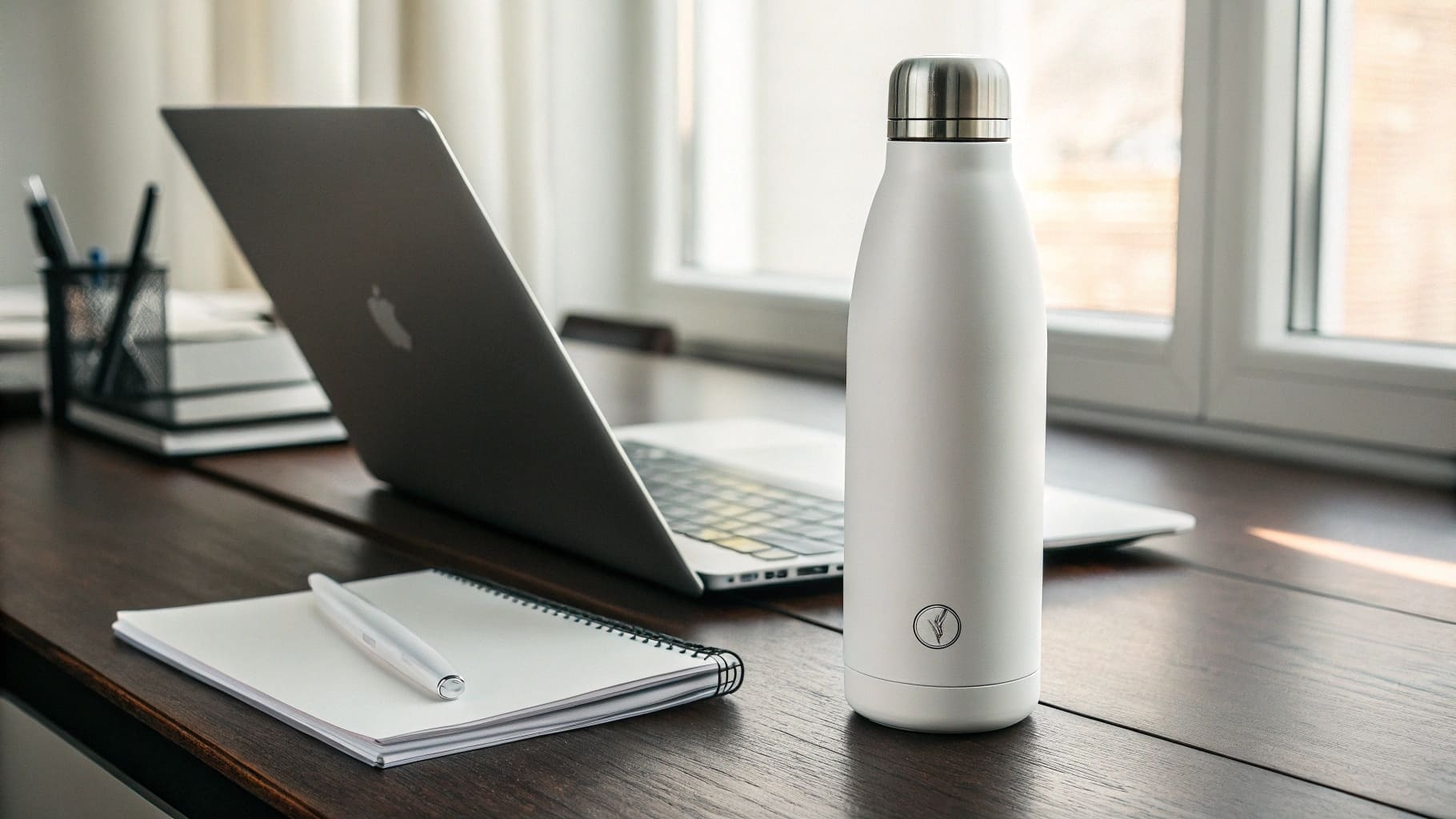
I've built my business, Icobottle, on the premise that stainless steel is an excellent material for drinkware. Many of my long-term B2B clients, from large retail chains to promotional product companies, choose stainless steel for very good reasons. It's not just a trend; it's a practical and responsible choice for daily use. Let me share why it's a great option for end-users.
The Purity Factor: No Unwanted Tastes or Chemicals
One of the main reasons stainless steel is good for water bottles is its non-reactive nature.
- No Flavor Transfer: Unlike some plastics or even aluminum (which often requires a plastic liner), stainless steel doesn't impart any metallic taste to the water. What you put in is what you get out. This is something I always emphasize to new clients – the purity of taste is a huge selling point.
- No Chemical Leaching: Food-grade stainless steel (like 304 or 18/8) is stable. It doesn't leach BPA, phthalates, or other harmful chemicals into your drink, even with temperature changes or over time. This is especially important for health-conscious consumers. I remember a procurement officer who switched to our steel bottles after facing issues with chemical smells from their previous plastic bottle supplier.
Hygiene and Ease of Cleaning
Maintaining hygiene is easy with stainless steel.
- Non-Porous Surface: Stainless steel has a smooth, non-porous surface. This makes it difficult for bacteria, mold, and germs to hide and grow.
- Easy to Clean: Most stainless steel bottles are easy to clean with soap and water. Many are even dishwasher safe (though it's good to check manufacturer recommendations, especially for bottles with custom prints or finishes). We often advise a simple bottle brush for thorough cleaning. This ease of maintenance is a practical benefit for busy consumers.
Durability and Environmental Impact
Steel bottles are a win for both longevity and the planet.
- Long-Lasting: As I mentioned earlier, stainless steel is very durable. These bottles can withstand drops and daily wear and tear much better than glass or plastic. A single stainless steel bottle can last for years, making it a cost-effective choice in the long run.
- Eco-Friendly Alternative: By using a reusable stainless steel bottle, consumers significantly reduce their reliance on single-use plastic bottles. This helps cut down on plastic waste and pollution. This sustainability angle is a powerful marketing message for brands. Many of my clients in Europe are particularly focused on this aspect.
Key Benefits of Stainless Steel Water Bottles for Daily Use
| Benefit | Description | Why it Matters for Consumers |
|---|---|---|
| Health & Safety | Non-leaching, BPA-free, no harmful chemicals. | Peace of mind, pure hydration. |
| Taste Neutrality | Does not retain or impart flavors. | Water tastes like water. |
| Hygiene | Non-porous, easy to clean, resists bacteria. | Clean and safe drinking experience. |
| Durability | Resistant to dents, rust, and breakage. | Long-lasting, reliable investment. |
| Eco-Friendly | Reusable, reduces single-use plastic waste. | Supports a sustainable lifestyle. |
| Temperature | (If double-walled) Excellent insulation for hot/cold drinks. | Versatile for all types of beverages. |
So, yes, it's definitely good to drink water from a quality stainless steel bottle. It’s a choice that supports health, convenience, and environmental responsibility. As a supplier, offering such products aligns with modern consumer values.
Conclusion
For B2B buyers, stainless steel bottles offer superior safety, durability, and market appeal. They are the reliable choice for quality, customizable drinkware that meets consumer demands effectively.
