
Warm drinks on a hot day? It's frustrating. Your refreshment plans get ruined. But what if your bottle could keep ice solid for hours?
A stainless steel bottle's ability to keep drinks cold depends heavily on its construction. If it's double-wall vacuum-insulated, it will keep drinks cold for many hours. Single-wall bottles offer minimal insulation.
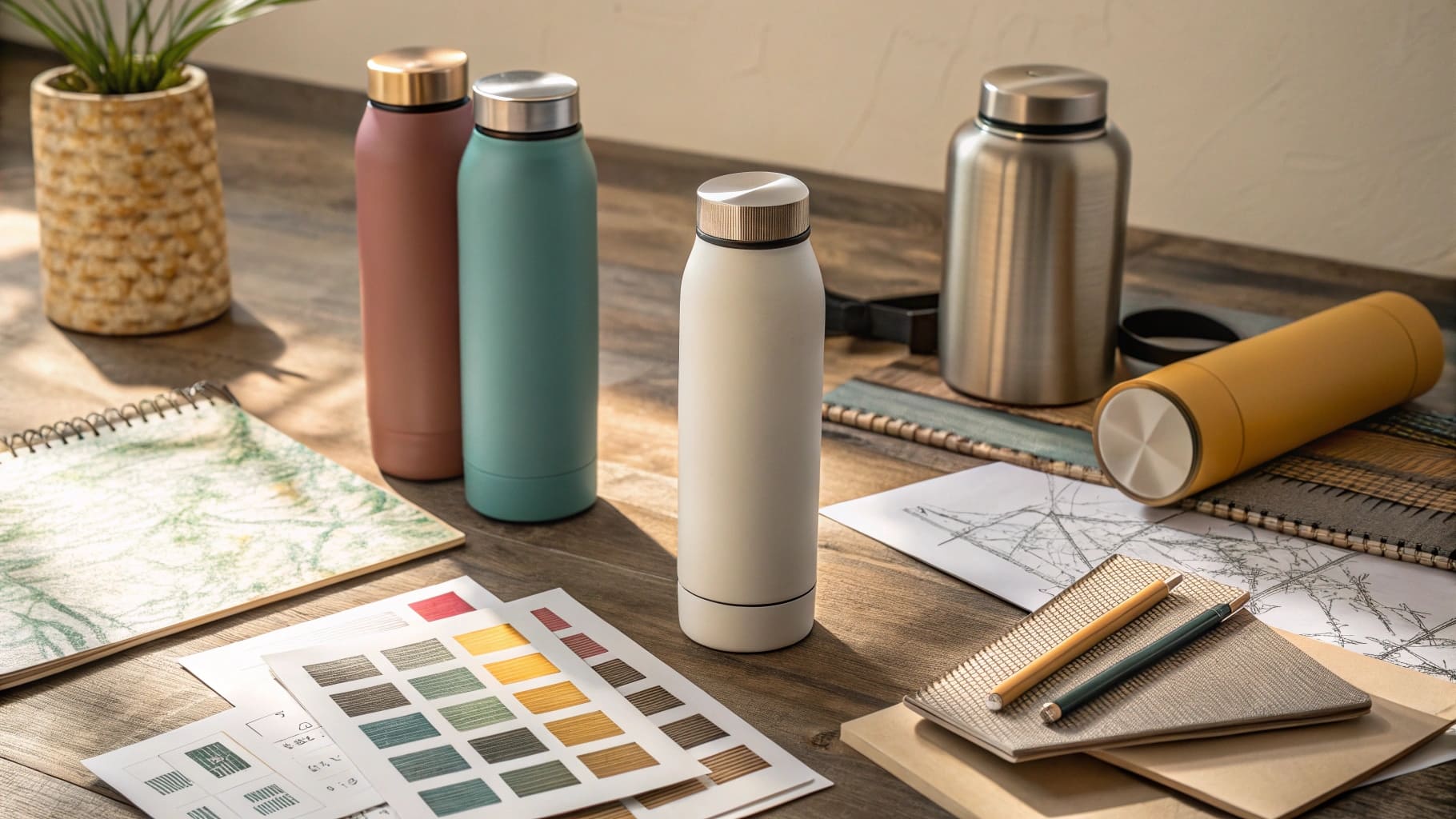
You've probably heard a lot about stainless steel bottles. Some people swear by them for icy drinks all day long. Others might have had less impressive experiences. So, what's the real story? Let's dig into how these bottles work and what you, as a potential buyer or even a business looking to source them, should know.
Do stainless steel bottles keep drinks cold?
Want your water to stay chilled for hours? Standard bottles often fail. But a specific type of stainless steel bottle promises long-lasting cold.
Yes, many stainless steel bottles keep drinks cold effectively. The key is double-wall vacuum insulation. This design significantly slows down heat transfer, keeping the contents cold for extended periods.
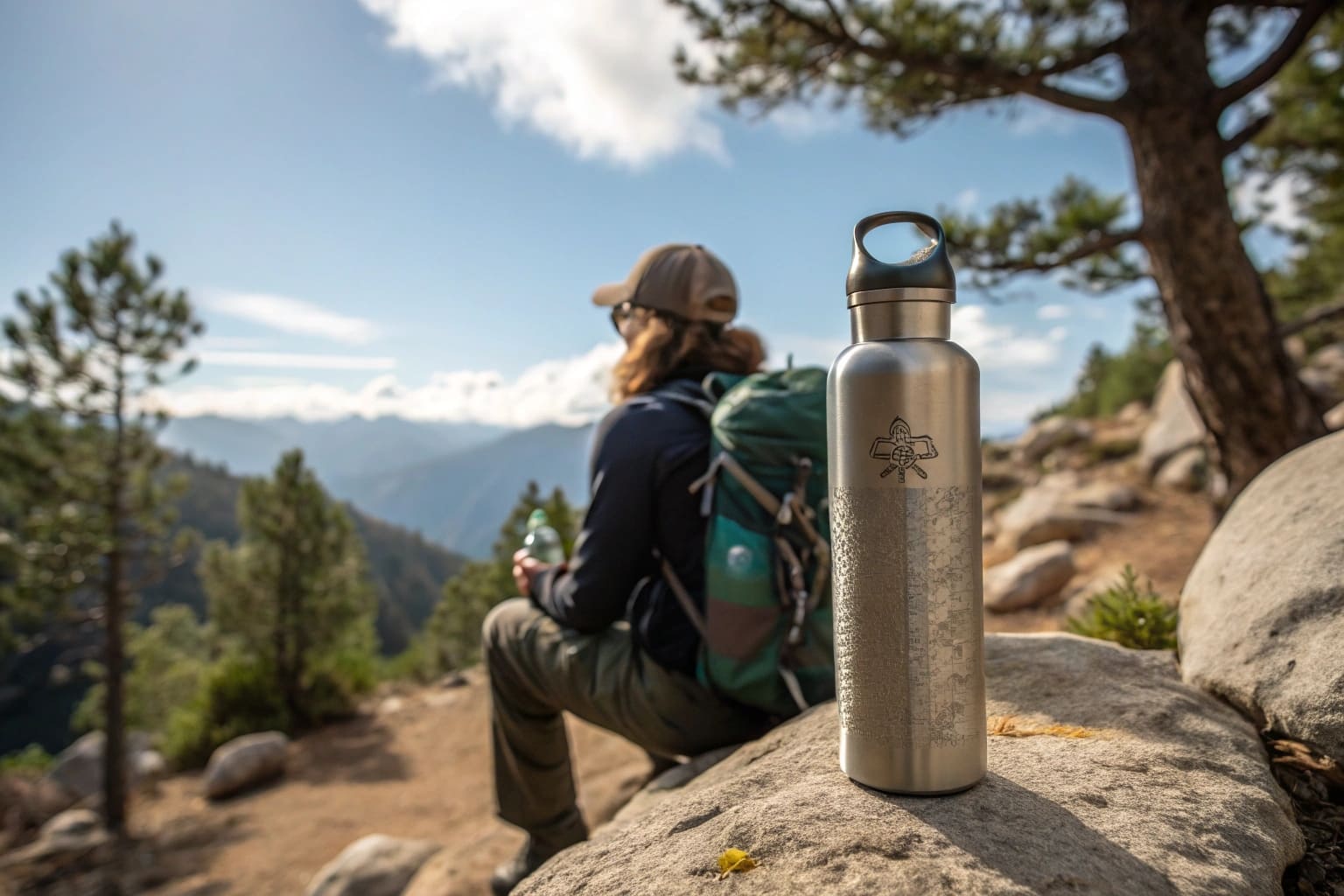
So, the big question is whether these bottles actually live up to the hype. As I mentioned, it's all about the insulation. The reality is that a simple, single-wall stainless steel bottle won't do much more than any other non-insulated container. It might even make your drink warm up faster if it's hot outside, as the metal conducts heat.
The true champions are the double-wall vacuum-insulated stainless steel bottles.
How Vacuum Insulation Works
A double-wall vacuum-insulated1 bottle has two layers of stainless steel. There's an inner wall that holds your drink and an outer wall. The magic happens in the space between these two walls. During manufacturing, the air is sucked out of this space, creating a vacuum.
Why is a vacuum so good at insulating? Heat can transfer in three ways:
- Conduction: Heat moving through a material.
- Convection: Heat moving through the flow of liquids or gases.
- Radiation: Heat moving as electromagnetic waves.
A vacuum drastically reduces conduction and convection because there are very few air molecules to transfer the heat. This means the outside temperature has a much harder time affecting the temperature of your drink inside. I remember during a trade show in Shanghai, a supplier demonstrated this by pouring hot coffee into one of their insulated bottles. Hours later, in a bustling, warm exhibition hall, the coffee was still steaming. This same principle works in reverse for cold drinks, effectively keeping the external heat out and your drink refreshingly cold for 12, 24, or sometimes even more hours. For business buyers looking to source these products, understanding and highlighting this insulation technology2 is the core selling point. It’s what delivers the performance consumers expect.
Is stainless steel good for cold water?
Worried about taste or safety with cold drinks? Some materials can be problematic. Stainless steel, however, offers a clean and reliable option.
Yes, stainless steel, especially food-grade 304, is excellent for cold water. It doesn't react with drinks, leach chemicals, or impart flavors. Combined with vacuum insulation, it's ideal for keeping water refreshingly cold.
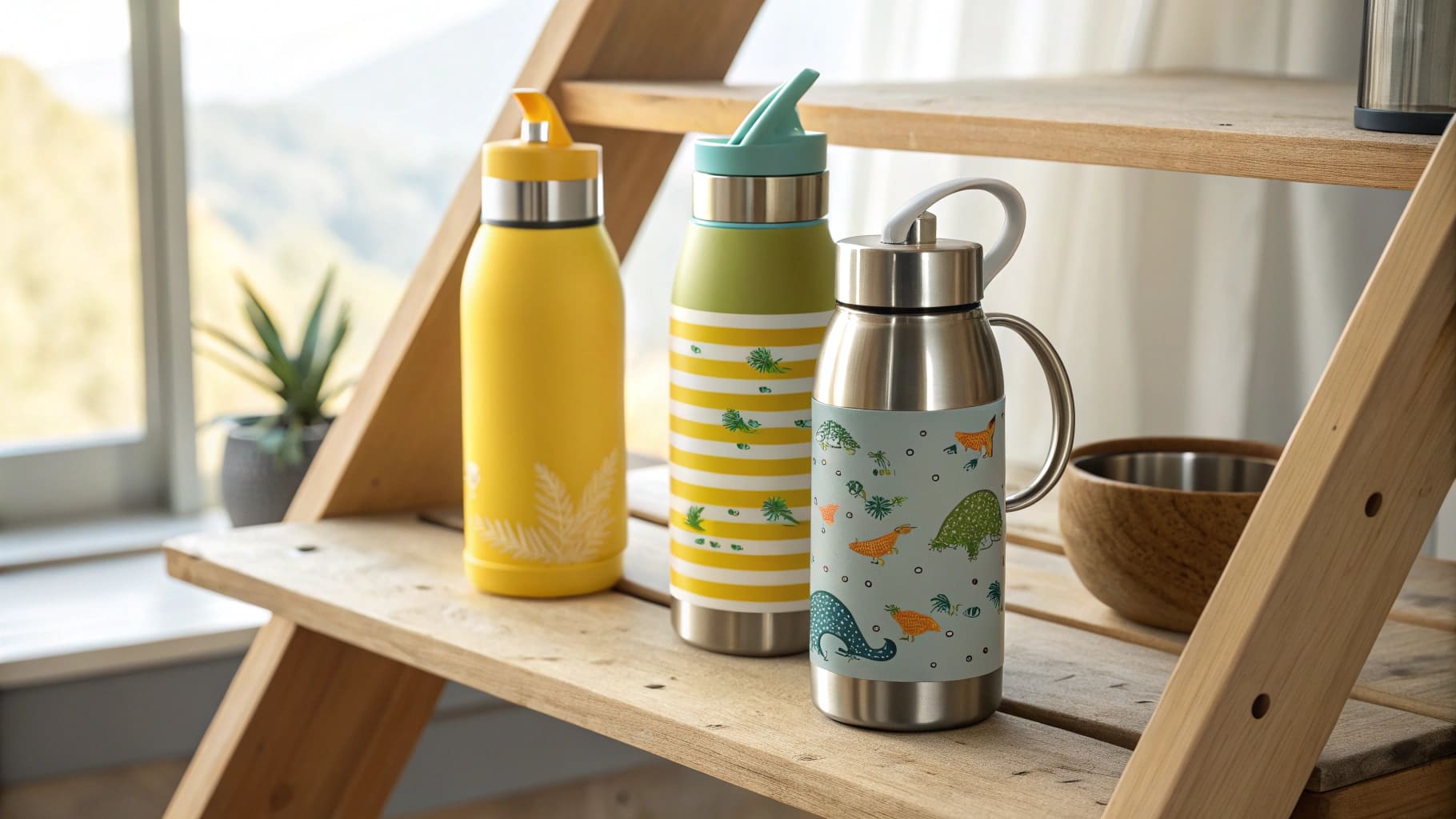
When we talk about stainless steel for cold water, we're looking at more than just temperature retention. The material itself plays a huge role in the overall quality and safety of your drinking experience. As someone who has been in the stainless steel product business for years with Icobottle, I can tell you that not all stainless steel is created equal.
Why 304 Stainless Steel is Preferred
Most quality stainless steel bottles, including those we specialize in for wholesale, use 18/8 or 304 grade stainless steel. Let me break down why this specific type is so important for cold water, or any beverage:
- Non-Reactive: This type of stainless steel doesn't react with acidic or alkaline drinks. So, your water won't taste metallic, and neither will your orange juice or coffee. I once had a cheap metal bottle from a local market that made my water taste awful after just an hour. With 304 stainless steel, that's not an issue, ensuring the pure taste of your beverage.
- No Leaching: This is a big one for health-conscious consumers. Unlike some plastics, 304 stainless steel doesn't leach harmful chemicals like BPA (Bisphenol A) or phthalates into your water. This holds true even if the water sits for a long time or if the bottle is exposed to varying temperatures. This safety aspect is a major benefit.
- Durability: Stainless steel is inherently tough. It can handle accidental drops and the general wear and tear of daily use much better than glass, which shatters, or some plastics, which can crack. This means your investment, or your customer's investment, lasts longer.
- Maintains Purity and Hygiene: The surface of 304 stainless steel is non-porous. This means it doesn't harbor bacteria easily, especially if cleaned regularly. It’s easy to wash and keep hygienic.
For a procurement officer like Mark Shenng in Canada, who is understandably sensitive to quality for his rebranded products, specifying 304 food-grade stainless steel is vital. It directly impacts the end-user experience, safety, and the reputation of his brand. Using a high-quality material like 304 ensures his customers get a safe, durable, and pleasant drinking experience every time.
Does stainless steel conduct cold?
If metal conducts heat, does it also conduct cold? This can be confusing. Let's clarify how stainless steel behaves with temperature.
Yes, stainless steel as a material does conduct thermal energy, meaning it transfers both heat and cold. However, in a vacuum-insulated bottle, this conductivity is largely negated by the vacuum layer.

It's a common point of confusion: if stainless steel conducts heat (think of a hot pan handle made of metal), doesn't it also conduct cold and therefore make your chilled drink warm up quickly? The answer is yes, the material itself – stainless steel – is a conductor of thermal energy. This means it allows heat (or cold, which is just the absence of heat) to pass through it.
The Role of Conduction vs. Insulation in Bottle Design
Let's look at this more closely, considering different bottle types:
- Single-Wall Stainless Steel Bottles: If you have a bottle made from just one layer of stainless steel, it will conduct heat/cold quite well. If you put ice water in it on a warm day, the outside of the bottle will feel very cold to the touch. This is because the "coldness" from the water is being conducted through the steel to the outer surface. Conversely, heat from your hand or the surrounding air is being conducted inwards to your drink. Your drink will warm up relatively fast in this type of bottle. I remember using a simple single-wall steel camping mug years ago – my hot tea got cold quickly, and cold drinks warmed up just as fast. You'd also get a lot of condensation on the outside with cold drinks.
- Double-Wall Vacuum-Insulated Bottles: This is where clever engineering overcomes the natural conductivity of the steel. The design is specifically made to minimize heat transfer.
| Feature | How it Works to Counter Conduction by the Steel Itself |
|---|---|
| Two Walls of Steel | The drink is only in direct contact with the inner wall. The outer wall is separated from the inner wall. |
| Vacuum Layer | The critical part. The space between the inner and outer wall has almost no air molecules. Since conduction needs a medium (like air, liquid, or a solid material) to transfer significant thermal energy3 from one wall to the other, the vacuum acts as a very strong barrier. It drastically reduces heat transfer by conduction and convection between the two walls. |
| Reduced Contact Points | The inner wall has minimal physical contact points with the outer wall (usually at the neck). This further limits direct conduction paths for heat to travel from the outer environment to the inner wall holding your cold beverage. |
So, while the stainless steel material is indeed a conductor, the construction of a vacuum-insulated bottle dramatically limits how much that conductivity affects the temperature of your drink. The vacuum effectively isolates the inner chamber. This prevents significant heat from the outside environment from being conducted through the steel layers to your cold drink. For B2B buyers like those we work with at Icobottle, emphasizing this engineering aspect—that the vacuum insulation is what delivers the superior cold-retention performance (often 12-24 hours)—is key. It’s not just about using stainless steel; it’s about how it’s engineered into an effective insulating system. This performance is what end-consumers value and are willing to pay a premium for.
Conclusion
Stainless steel bottles, especially vacuum-insulated ones, excel at keeping drinks cold. Their design and material make them a top choice for lasting refreshment and quality.
-
Explore this link to understand how double-wall vacuum insulation keeps your drinks cold for hours, enhancing your hydration experience. ↩
-
Learn about insulation technology to make informed choices when selecting bottles that maintain temperature effectively. ↩
-
Understanding thermal energy is crucial for grasping how materials like stainless steel conduct heat and cold, impacting everyday products. ↩
