
Struggling to pick the right water bottle material for your brand? Overwhelmed by options and unsure which meets modern demands? You need a choice that balances cost, quality, and consumer appeal.
For B2B buyers, stainless steel, especially food-grade 304, is often the best choice. It aligns with consumer preferences for health, sustainability, and durability. This makes it a smart investment for businesses targeting markets like the US and Europe.
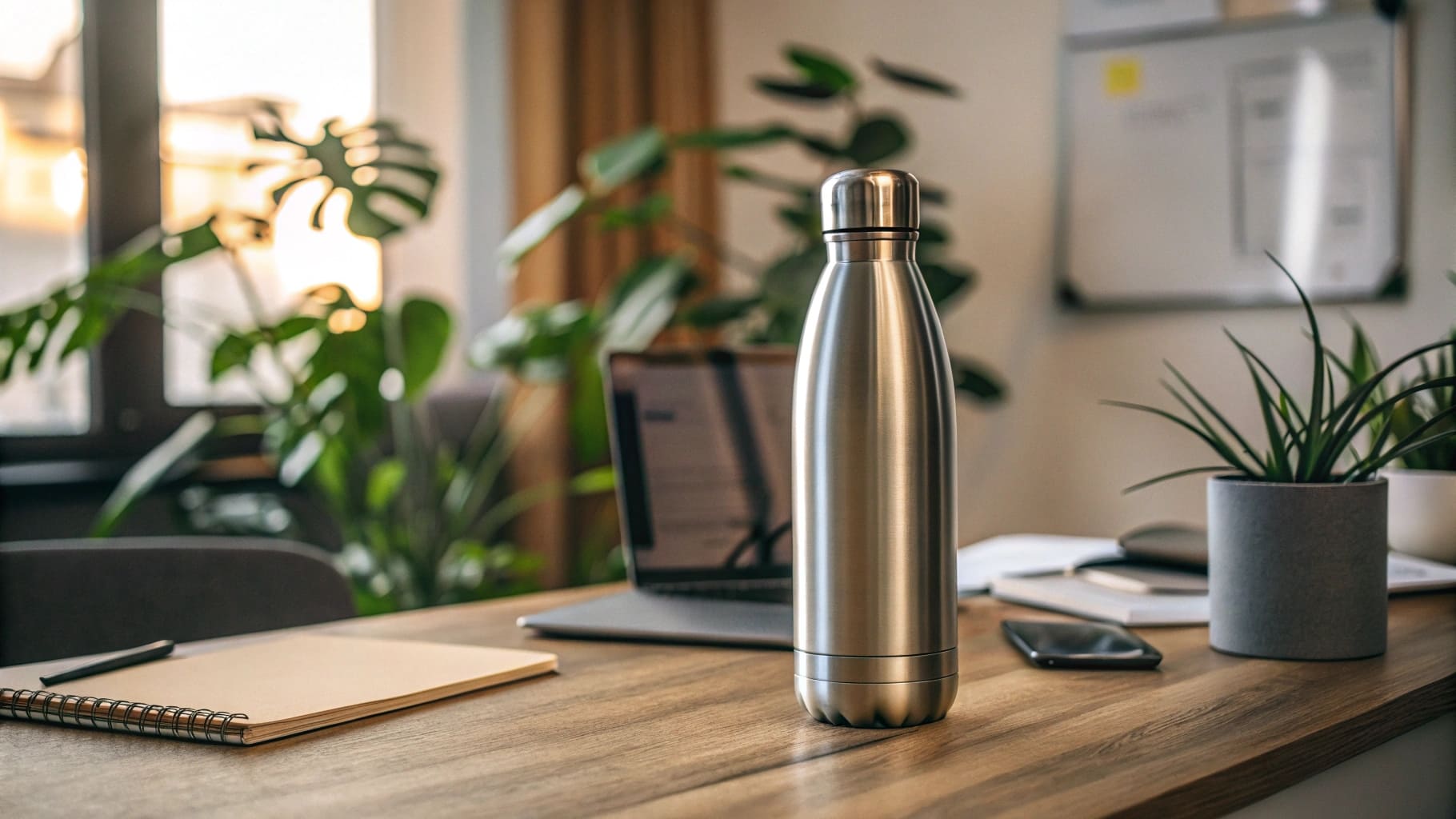
Choosing the right water bottle material is a big decision for any business. It impacts your brand image, customer satisfaction, and even your bottom line. As someone who has been in the stainless steel products business for years, working with clients like Mark Shenng from Canada, I've seen trends come and go. Today, the focus is clearly on sustainable and healthy options. Let's explore why this matters for procurement officers and startup bosses. We want to help you make an informed decision.
What is the best water bottle plastic or stainless steel?
Confused if plastic's low cost outweighs stainless steel's benefits? Worried about making the wrong investment for your inventory? You want a material that offers real value.
Stainless steel is generally better than plastic for water bottles. It's more durable, doesn't leach chemicals like BPA, and offers a premium feel. This appeals to health-conscious and eco-aware consumers.
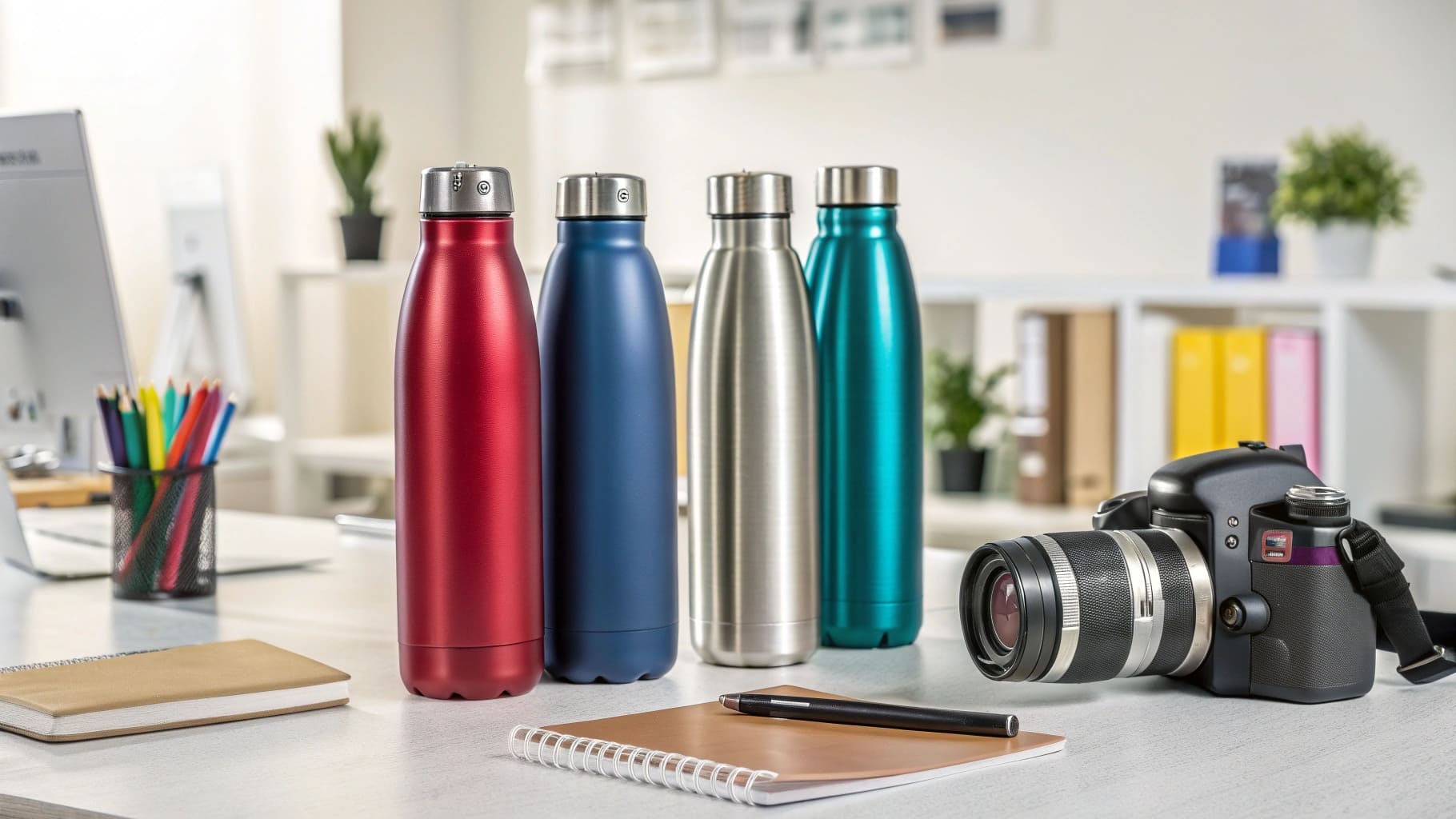
When I talk to business owners and procurement officers, the plastic versus stainless steel debate comes up often. Plastic bottles, usually made from PET or polypropylene, have a clear advantage: lower upfront cost. This can be tempting, especially for businesses focused on volume. But, there are significant downsides that are becoming more important to end-users, especially in markets like North America and Europe.
Key Concerns with Plastic
Many plastics, especially older types, contain Bisphenol A (BPA) or other endocrine disruptors. Even BPA-free plastics can sometimes leach other chemicals, especially when exposed to heat or wear and tear. Plus, the issue of microplastics is a growing concern for consumers. We all want to drink water, not tiny bits of plastic. Beyond health, the environmental impact of single-use or even reusable plastic is huge. Many plastics are not easily recyclable, or the recycling process itself is energy-intensive and limited.
The Stainless Steel Advantage
Food-grade stainless steel, like the 304 grade we use at Icobottle, is a fantastic alternative. It is inert, meaning it doesn’t react with beverages or leach chemicals. This makes it a very safe choice. Stainless steel bottles are also incredibly durable. They can last for years, resisting drops and daily use much better than plastic. This longevity translates to better value for the consumer and a stronger product for your brand. From a branding perspective, stainless steel offers a more premium feel. It supports higher price points and aligns with quality-conscious brand positioning.
Here's a quick comparison for B2B buyers:
| Feature | Plastic Water Bottles | Stainless Steel Water Bottles (304 Grade) |
|---|---|---|
| Initial Cost | Lower | Higher |
| Durability | Lower (can crack, warp, absorb odors) | Higher (resistant to dents, rust-proof) |
| Health Safety | Potential BPA/microplastic concerns | Inert, no chemical leaching |
| Eco-Impact | Often lower recyclability, pollution risk | Highly recyclable, long lifespan |
| Brand Image | Can be seen as basic or disposable | Premium, durable, eco-conscious |
| Customization | Good for colors, some shapes | Excellent for engraving, colors, finishes |
For businesses looking long-term, stainless steel offers a product that meets current consumer demands for health, sustainability, and quality. My client Mark, for example, specifically moved his sourcing towards stainless steel to meet the demands of his Canadian market. He found that while the unit cost was higher, the perceived value and customer satisfaction made it a more profitable venture.
What is the best type of water bottle to use?
Wondering which water bottle material truly ticks all the boxes for daily use? Seeking a balance of safety, durability, and practicality? You need a reliable, all-around performer.
The best type often comes down to specific needs, but stainless steel bottles offer an excellent balance of durability, safety, and temperature retention for everyday use. They are a practical and popular choice.
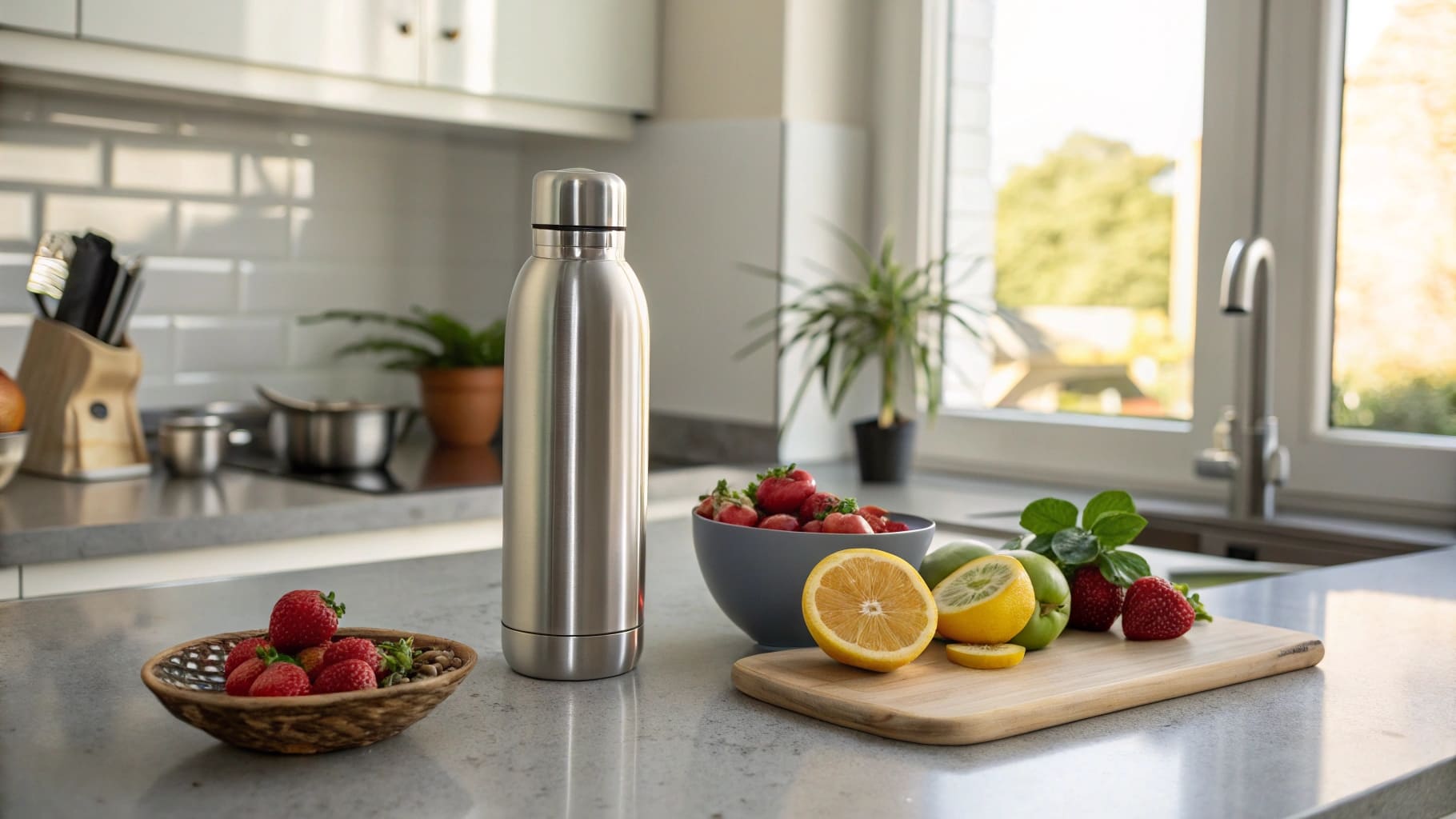
When we talk about the "best" type of water bottle, it really depends on the context and what your customers prioritize. However, for a broad range of B2B applications, especially for companies supplying to Western markets, certain materials stand out. We've looked at plastic vs. stainless steel, but let's bring glass into the mix to get a fuller picture.
Factors Influencing the "Best" Choice
For your customers, the ideal water bottle is often one that is safe, durable, easy to clean, and good at maintaining beverage temperature. For your business, you also need to consider manufacturing costs, shipping weight, customization options, and how the material aligns with your brand values. I've seen many startups try to cut corners with cheaper materials, only to face returns or poor reviews later.
Material Breakdown for General Use
- Plastic: As discussed, it's lightweight and cheap. It's good for some specific uses where these factors are paramount. However, the health and environmental concerns are significant drawbacks for a growing number of consumers.
- Glass: Glass is prized for its purity. It doesn’t impart any flavor to water and is completely inert. This makes it a very healthy option. But, glass is fragile. It can break easily, which is a big issue for active users or for shipping in bulk. It's also heavier than plastic or stainless steel, which increases shipping costs – a key factor for any import business.
- Stainless Steel (Food-Grade 304/18-8): This material hits a sweet spot. It's almost as inert as glass, so it's very safe and doesn't alter taste. It's far more durable than glass and most plastics. It can also offer excellent insulation properties, keeping drinks hot or cold for hours. This is a huge selling point. We find that customization, like adding a logo or specific color, is straightforward with stainless steel, allowing brands to create unique products.
Here’s how they stack up on key attributes:
| Attribute | Plastic | Glass | Stainless Steel (304/18-8) |
|---|---|---|---|
| Purity/Taste | Can leach, may retain odors | Excellent, no taste transfer | Excellent, no taste transfer |
| Durability | Moderate to Low | Low (fragile) | High |
| Weight | Lightest | Heaviest | Moderate |
| Insulation | Poor | Poor (unless double-walled) | Excellent (if double-walled) |
| Cost (to produce) | Low | Moderate | Moderate to High |
| Eco-Friendliness | Concerns with disposal/recycling | Recyclable, but breakage common | Highly recyclable, long-lasting |
For businesses like ours at Icobottle, and for our clients who distribute in markets like America and Europe, stainless steel consistently emerges as the most versatile and marketable option. It meets consumer demands for a healthy, sustainable, and high-quality product that performs well daily.
What is healthier, stainless steel or glass?
Concerned about chemicals leaching into your drinks? Want the absolute safest option for your health-conscious customers? You need a material that guarantees purity.
Both stainless steel and glass are very healthy choices for water bottles. Neither leaches harmful chemicals, and both preserve the taste of water well. The decision often comes down to practicality.

When it comes to health, both glass and food-grade stainless steel are excellent choices. This is a key selling point for consumers who are increasingly aware of the potential risks associated with some plastics. As a supplier, offering verifiably safe products is crucial for building trust. My clients, especially those like Mark who cater to discerning customers, always ask about material safety certifications.
The Purity of Glass
Glass has a long-standing reputation for being one of the purest materials. It's non-porous and impermeable, so it won't absorb or leach flavors, odors, or chemicals into your water. This is why many people who are extremely sensitive to taste prefer glass. From a health perspective, it's top-tier. The main challenge with glass, as we've touched on, isn't its health profile but its practicality. It's heavy and breakable. This makes it less ideal for on-the-go use, for children, or for shipping in large quantities without significant protective packaging, which adds to costs.
The Safety of Stainless Steel
Food-grade stainless steel, particularly 18/8 (or 304 grade), is also highly regarded for its safety. Like glass, it's non-reactive and doesn't require a liner. It won't leach chemicals like BPA, phthalates, or lead. It's also resistant to rust and corrosion. This makes it a very stable and safe material for contact with food and beverages. The advantage stainless steel has over glass in many contexts is its durability and lighter weight (compared to glass of similar volume). This makes it a more practical choice for everyday carry, sports, and for businesses managing logistics.
Comparing Health and Practicality Factors
| Aspect | Glass | Food-Grade Stainless Steel (304/18-8) |
|---|---|---|
| Chemical Leaching | None | None |
| Taste Neutrality | Excellent | Excellent |
| Material Stability | Inert, but can chip or break | Very stable, corrosion-resistant |
| Hygiene | Easy to clean, can see dirt | Easy to clean, naturally resists bacteria |
| Primary Health Risk | Breakage leading to cuts (indirect risk) | None, if from reputable source (beware cheap, non-food grades) |
| Practicality for B2B | Higher shipping cost, risk of damage | More robust for shipping, lower damage risk |
I always tell my clients that if their primary market concern is purely about the "healthiest possible material" in an abstract sense, glass is fantastic. But if they are looking for the healthiest practical option that will also withstand daily life, be easy to transport and brand, then high-quality stainless steel is the clear winner. It provides an almost identical level of health safety as glass, but with far superior durability and usability for the average consumer and less risk for the business owner during transit and handling. For large orders, the reduced risk of breakage with stainless steel compared to glass is a significant financial and logistical advantage.
Conclusion
In conclusion, for B2B buyers targeting discerning markets, food-grade stainless steel water bottles offer the best blend of safety, durability, sustainability, and branding potential, surpassing plastic and often outperforming glass in practicality.