
Tired of messy spills from unreliable water bottles? Students and travelers especially need hydration they can count on, without ruining their belongings. I'll show you how to spot genuinely leak-proof options.
The best leak-proof reusable water bottles for students and travelers are usually well-engineered stainless steel ones. Look for quality screw-on lids with robust silicone seals. The lid mechanism, including its threading and a good O-ring or gasket, is the most critical part for preventing leaks.
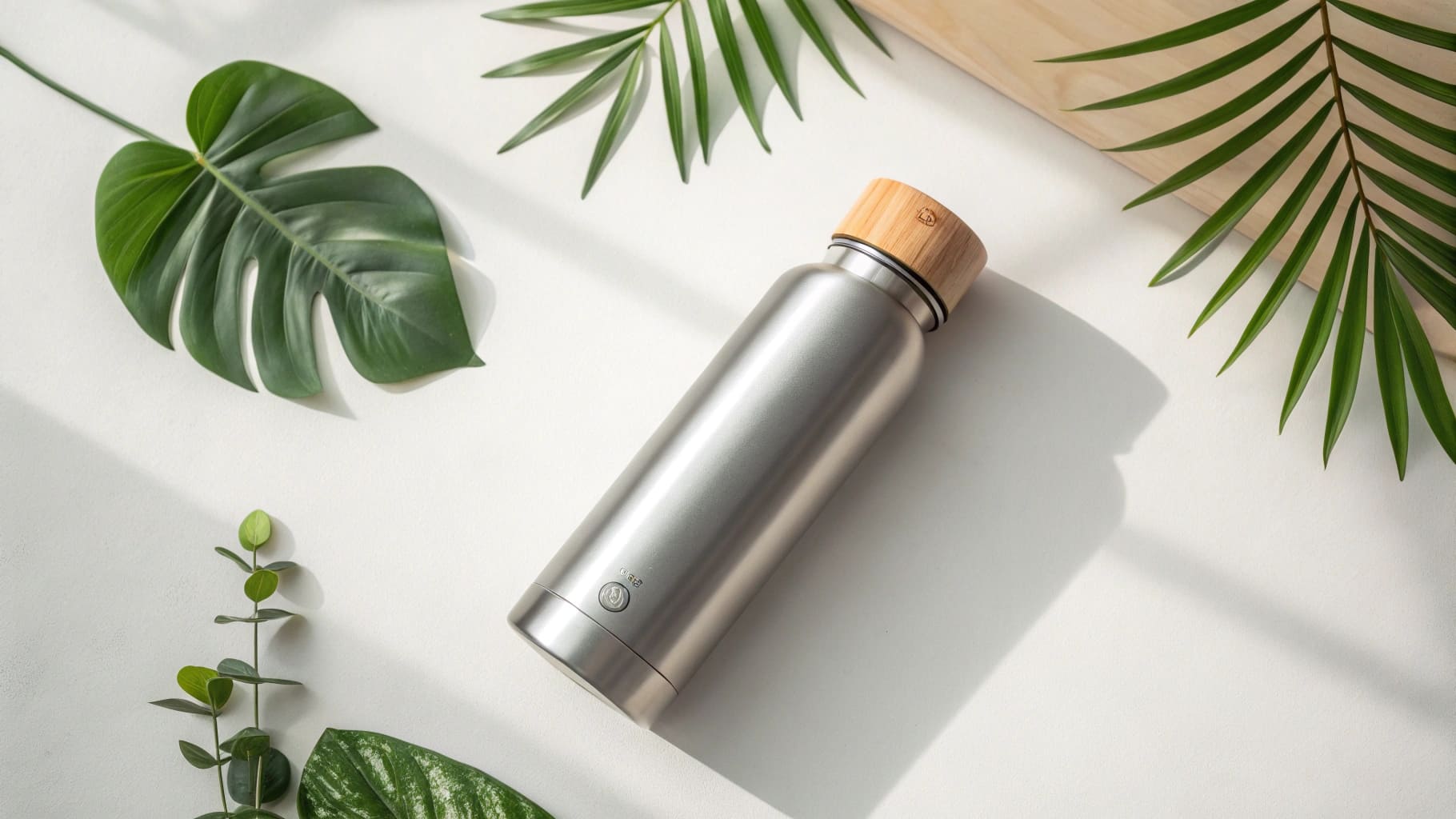
Finding the perfect bottle goes beyond just a "leak-proof" sticker. As a B2B supplier with Icobottle, I've seen what truly works. Let's dig into the details that matter. This will help you, especially if you're a procurement officer like Mark looking for reliable products, to source with confidence for your customers.
Are there any water bottles that don't leak?
Do you find yourself constantly cleaning up after bottles that claim to be leak-proof? It’s very frustrating when products fail to deliver on their promises. So, let's explore if a 100% truly leak-proof bottle actually exists.
While "100% leak-proof" is a very high standard, well-designed bottles get extremely close. High-quality stainless steel bottles with precision-engineered screw-on lids and effective silicone seals are your best bet. The integrity of the lid and its seal is what truly matters.
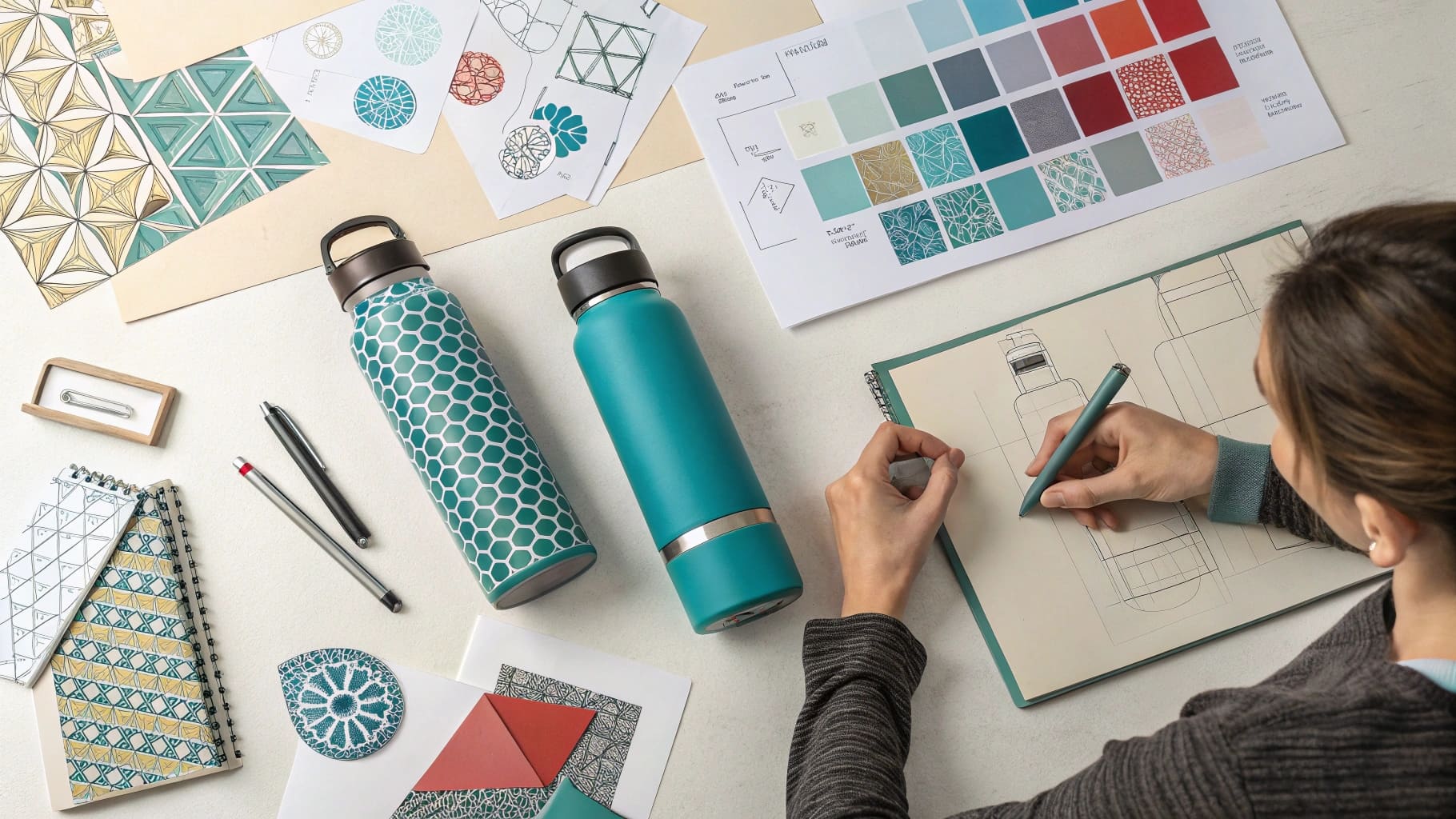
When I talk to buyers like Mark, who are looking to source quality bottles, the "leak-proof" claim is always a big topic. It's important to understand what's behind this promise.
Understanding "Leak-Proof" Claims
Many bottles are marketed as "100% leak-proof," but this isn't always the full story. Sometimes, "leak-resistant" is a more accurate term for lower-quality options. A truly leak-proof design depends heavily on engineering precision and material quality. At Icobottle, we invest heavily in this because we know it impacts your brand's reputation with the end-user. A bottle that leaks can quickly lead to customer dissatisfaction.
Key Design Features for Leak Prevention
The secret to a leak-proof1 bottle lies mostly in its lid and seal. Here’s a simple breakdown:
| Feature | Importance for Leak Prevention | My Recommendation |
|---|---|---|
| Lid Type | Screw-on lids generally offer the most secure seal. | Prioritize well-threaded screw-on lids. |
| Seal Material | Food-grade silicone O-rings or gaskets are crucial. | Ensure high-quality, durable silicone is used. |
| Manufacturing | Precise threading on both bottle and lid ensures a tight fit. | Ask about manufacturing tolerances. |
Flip-top or straw lids can be convenient, but they often introduce more potential points of failure for leaks, especially if not designed and manufactured to a high standard. For maximum reliability, especially for travelers and active students, a simple, robust screw-on lid is often best.
Testing and Quality Control
As a supplier, I know rigorous testing is essential. At Icobottle, every batch of our stainless steel water bottles undergoes strict leak tests. We check the seal integrity under pressure and in various orientations. For B2B buyers, it's vital to ask your potential suppliers about their specific quality control2 (QC) procedures for leak prevention. Don't just take their word for it. Requesting samples to test yourself is also a smart move. Mark, I know you're concerned about certificate fraud, and this hands-on testing, combined with verifying certifications, adds an extra layer of security.
Are metal or plastic water bottles better for travel?
Choosing between lightweight plastic and sturdy metal for travel can be tough. Make the wrong decision, and your customers might face a broken bottle or water that tastes funny. Let's compare them to help you choose wisely for your travel-focused market.
For travel, stainless steel water bottles3 generally outperform plastic. They offer much better durability, excellent temperature retention (especially insulated versions), and superior hygiene. Food-grade stainless steel doesn't leach chemicals or absorb odors, making it a premium and healthier choice.
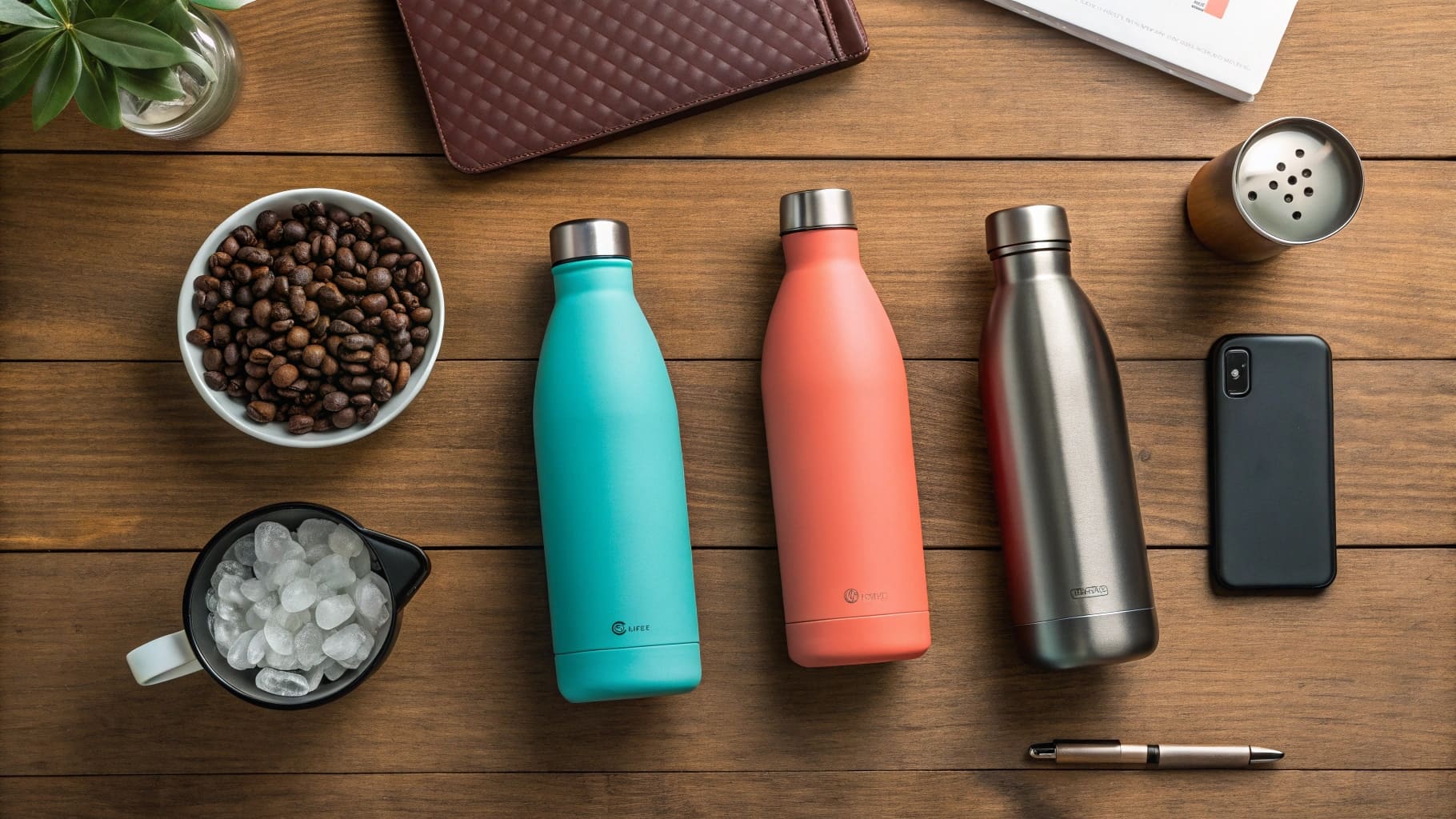
The choice between metal (specifically, food-grade stainless steel like 304 or 316) and plastic is a common one for anyone sourcing travel gear. Each has its points, but for overall performance and customer satisfaction, one clearly leads.
Advantages of Stainless Steel for Travel
I've been manufacturing stainless steel water bottles at Icobottle for years, and their suitability for travel is undeniable.
- Durability: Stainless steel is tough. It can handle being dropped or knocked around in a backpack, which is common during travel. Plastic bottles can crack or shatter more easily.
- Hygiene: Stainless steel is non-porous. This means it doesn’t absorb flavors or odors from previous drinks. It's also very easy to clean thoroughly.
- Temperature Retention: This is a big one. Double-wall vacuum insulated stainless steel bottles, like many we produce, can keep drinks hot for up_to 12 hours or cold for up_to 24 hours. This is a huge plus for travelers who want a hot coffee on a cold hike or icy water in a hot climate. Plastic offers very little insulation.
- Health & Safety: Quality stainless steel (like 304 or 18/8 food-grade) doesn't leach harmful chemicals like BPA into the water. This is a growing concern for health-conscious consumers4.
- Sustainability: Stainless steel bottles are built to last for years, reducing plastic waste. They are also fully recyclable at the end of their long life.
Considerations for Plastic Bottles in Travel
Plastic bottles do have one primary advantage: they are generally lighter than stainless steel.
- Weight: For ultra-light backpackers, every gram counts, so plastic might seem appealing.
- Cost: Plastic bottles are often cheaper to produce and purchase initially.
However, the downsides are significant for travelers: - Durability: They can crack, warp with hot liquids, or become brittle over time.
- Leaching: Even "BPA-free" plastics can raise concerns about other potential chemical leaching, especially when exposed to heat or UV light.
- Odor/Flavor Retention: Plastic can absorb smells and tastes, leading to unpleasant drinking experiences.
- Environmental Impact: Single-use or even reusable plastic bottles contribute more to pollution if not disposed of or recycled properly.
Making the B2B Choice for Travelers
For a B2B buyer like Mark, targeting students and travelers, stainless steel offers higher perceived value. It aligns with trends towards sustainability and health. While the unit cost might be slightly higher than plastic, the longevity and superior features justify it. Customers are often willing to pay more for a durable, reliable, and safe product that enhances their travel experience. My advice is to focus on quality stainless steel; it builds a better brand reputation in the long run.
Is a collapsible water bottle worth it for travel?
Are bulky water bottles eating up valuable space in your customers' luggage? Travelers always want convenience, but not at the expense of essential features. So, let's look at whether collapsible bottles are a practical buy.
Collapsible water bottles, often made of silicone, offer a clear space-saving advantage for travelers. However, this comes with trade-offs: they usually lack insulation, can be less durable than rigid bottles, and lower-quality silicone might affect water taste. They serve a specific niche.
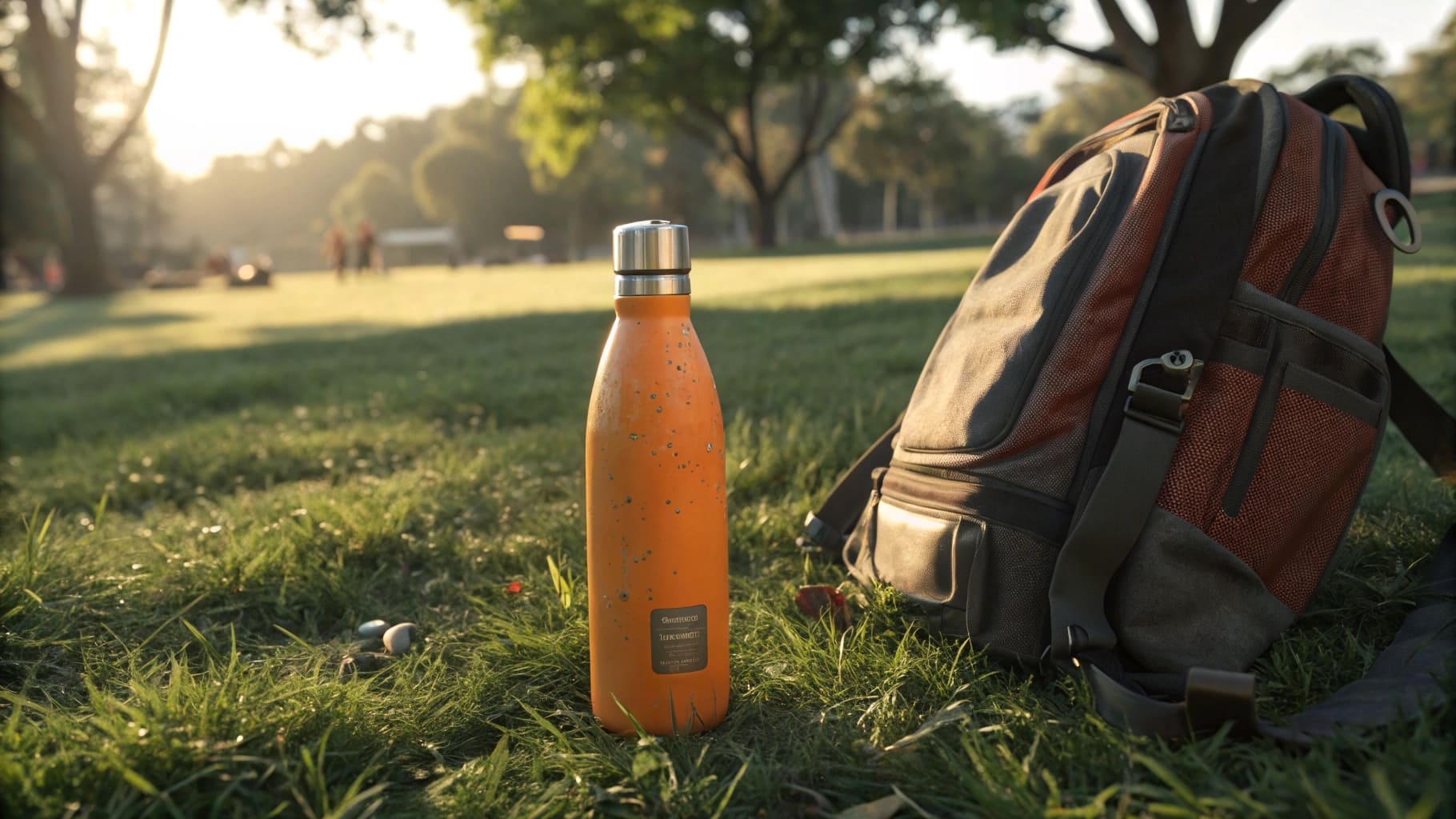
Collapsible water bottles have gained some traction, especially with minimalist travelers. As someone in the bottle manufacturing business, I see their appeal but also their limitations.
The Allure of Collapsible Bottles for Travelers
The main attraction is obvious:
- Space Efficiency: When empty, they can be rolled up or flattened to take up very little room in a bag. This is great for air travel where carry-on space is limited, or for daypacks.
- Lightweight: Most are made from silicone or thin TPU, making them very light.
- Specific Use Cases: They can be good for short trips, as an emergency backup bottle, or for activities like running where a rigid bottle is cumbersome. I once used one on a quick city tour where I knew I'd have plenty of refill stations and didn't want to carry my usual insulated bottle.
Potential Downsides for B2B Sourcing
For B2B buyers considering adding these to their product line, it's important to be aware of the potential drawbacks that can affect customer satisfaction:
- Durability Concerns: Silicone can tear or puncture, especially thinner, cheaper versions. The lid mechanisms might also be less robust than those on rigid bottles, increasing leak potential over time.
- Lack of Insulation: This is a major disadvantage for many. Collapsible bottles won't keep water cold in hot weather or hot drinks warm.
- Taste and Odor: Lower-quality silicone can impart a plastic or chemical taste to the water, which is a big turn-off for users. It's crucial to source food-grade, taste-neutral silicone.
- Cleaning Challenges: Some designs have nooks and crannies that can be difficult to clean thoroughly, potentially leading to mold or bacteria growth if not dried properly.
- Stability: They can be less stable and harder to drink from when not full, sometimes requiring two hands.
Here's a quick comparison for your consideration, Mark:
| Feature | Rigid Stainless Steel | Collapsible Silicone |
|---|---|---|
| Space Saving | No | Excellent (when empty) |
| Durability | Excellent | Fair to Good (material dependent) |
| Insulation | Excellent (double-wall) | Poor / None |
| Taste Neutrality | Excellent | Good (with high-quality silicone) |
| Ease of Cleaning | Generally Easy | Can be tricky, design dependent |
| Price Point | Higher | Lower to Mid |
Who Are Collapsible Bottles Best For?
Collapsible bottles serve a niche market. They are best for travelers who prioritize saving space above all else and don't require insulation or extreme durability. For students needing all-day hydration or travelers who value temperature control and a robust feel, a quality stainless steel bottle remains the superior choice. At Icobottle, we focus on the reliability and performance of stainless steel because it meets the needs of a broader audience. If your brand, Mark, targets the ultra-light or minimalist traveler, then a carefully sourced collapsible bottle could be an option, but ensure quality is paramount.
Conclusion
Finding top-rated leak-proof bottles means focusing on quality lid design and robust materials like stainless steel. For travelers and students, stainless steel generally offers the best mix of durability, hygiene, and performance.
-
Discover top-rated leak-proof water bottles that truly deliver on their promises, ensuring you stay mess-free and hydrated. ↩
-
Explore essential quality control measures that guarantee the reliability and performance of water bottles. ↩
-
Explore the advantages of stainless steel water bottles, including durability and hygiene, to make an informed choice for your travels. ↩
-
Discover what health-conscious consumers look for in water bottles, ensuring you choose a safe and reliable option for your travels. ↩