
Is your trusty steel bottle starting to smell a bit off? This happens to the best of us. You want a fresh drink, not a reminder of yesterday's coffee.
The secret is simple: regular, thorough cleaning with the right methods. Baking soda and vinegar are your best friends here, ensuring your bottle stays hygienic and odor-free for daily use.
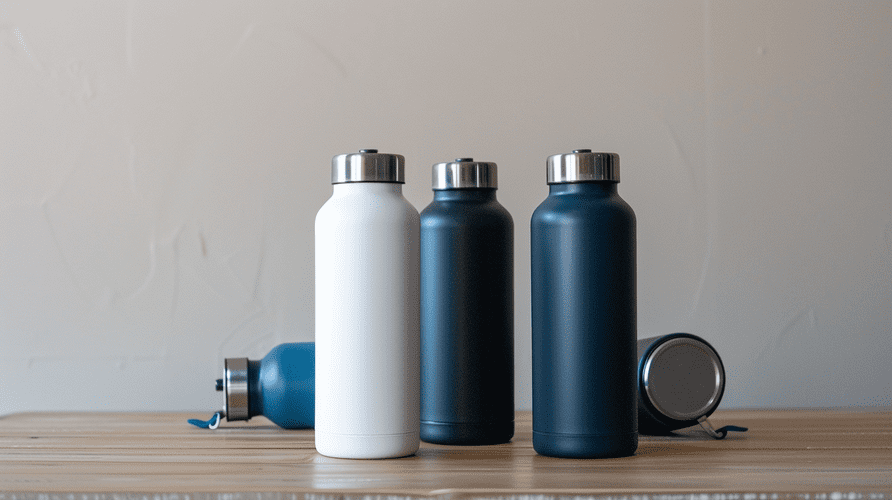
Keeping your stainless steel bottle in top condition is easier than you think. It is important not just for your health, but also for the longevity of the bottle. As someone who provides these bottles wholesale, I know that a well-maintained bottle reflects well on the product's quality. Let's explore some proven techniques to ensure your bottle remains a pleasure to use, day in and day out. This also helps my B2B clients, like Mark Shenng, because happy end-users mean fewer complaints and a better brand image for them.
How do you deep clean a stainless steel bottle?
Wondering about the best way to get that deep clean? Your bottle might look clean, but lingering residues can build up. This can affect taste and hygiene.
Use a mixture of baking soda and warm water, or diluted white vinegar. Let it sit, then scrub with a bottle brush and rinse thoroughly for a sparkling clean bottle.

Proper deep cleaning is vital. It removes any hidden bacteria or mold that might be lurking inside. For my business, Icobottle, ensuring customers understand this is key. When procurement officers from large companies or startup bosses like Mark choose our bottles, they are also choosing quality that lasts. Providing them with clear cleaning instructions is part of our service. It helps their customers enjoy the product fully, which reduces issues like bad smells or stains. This ultimately reinforces the value of a durable, hygienic, and reusable stainless steel bottle.
Step-by-Step Deep Cleaning Guide
To get your bottle truly clean, follow these steps. This method is effective for the high-quality 304 or 316 stainless steel we use for our products.
- Gather Your Supplies: You'll need hot water, dish soap, a bottle brush, and your chosen cleaning agent (baking soda or white vinegar).
- Initial Rinse: Empty the bottle and rinse it with hot water.
- Add Cleaning Agent:
- Baking Soda: Add one or two teaspoons of baking soda to the bottle. Fill it about halfway with hot water.
- White Vinegar: Fill the bottle about one-fifth full with white vinegar. Top it up with hot water.
- Soak: Close the lid and shake the bottle gently. Let it sit for at least 30 minutes, or even overnight for a very thorough clean. I often leave mine overnight if I've had something like a smoothie in it.
- Scrub: Open the bottle and use a bottle brush to scrub the interior thoroughly. Pay attention to the bottom and the neck threads.
- Rinse Well: Pour out the cleaning solution. Rinse the bottle several times with hot water until all traces of baking soda or vinegar are gone. This is important to avoid any aftertaste.
- Clean the Lid: Don't forget the lid! Disassemble it if possible and clean all parts with soap and water. Small brushes can help get into crevices.
- Air Dry: Leave the bottle and lid to air dry completely, preferably upside down, before reassembling. This prevents moisture buildup.
This routine care ensures the bottle remains hygienic and extends its life. For B2B buyers, emphasizing easy maintenance is a strong selling point.
How do you deep clean stainless steel?
Is cleaning stainless steel in general different from just a bottle? You might worry about scratches or leaving water spots on your shiny stainless steel items.
For general stainless steel cleaning, use mild detergent and a soft cloth. Always dry thoroughly to prevent water spots and maintain its shine. Avoid harsh abrasives.
Understanding how to care for stainless steel properly is valuable. This knowledge extends beyond just water bottles to other stainless steel products we might offer. Stainless steel is chosen for its durability and hygienic properties, but proper care maximizes these benefits. When I discuss product features with clients like Mark, who is sensitive to quality, knowing that the material itself is easy to maintain adds to its appeal. This is especially true for products with customized logos or colors, as gentle cleaning preserves their appearance.
Best Practices for Stainless Steel Care
Stainless steel is popular for a reason: it's tough and resists corrosion. However, it's not completely immune to damage if not cared for correctly.
- Understanding the Material: Most quality bottles, like ours at Icobottle, are made from food-grade stainless steel, often 304 (18/8) or 316. These are resistant to rust and staining. The material has a passive layer that protects it.
- What to Use:
- Mild dish soap and water are usually sufficient for daily cleaning.
- Soft cloths or sponges are best. Microfiber cloths are excellent.
- For tougher stains on general stainless steel surfaces, a paste of baking soda and water can be gently applied.
- What to Avoid:
- Steel Wool or Abrasive Scrubbers: These can scratch the surface of the stainless steel, damaging the passive layer and potentially leading to rust.
- Harsh Chemicals: Avoid chlorine bleach, oven cleaners, or abrasive powders. These can discolor or damage the steel.
- Hard Water: If you have hard water, dry stainless steel items promptly to prevent mineral deposits and water spots.
Here's a quick comparison for cleaning different items:
| Item | Recommended Cleaner | Technique | Frequency |
|---|---|---|---|
| Stainless Steel Bottle | Baking soda/vinegar, dish soap | Soak, scrub with bottle brush, rinse thoroughly | After each use |
| Stainless Steel Sink | Mild detergent, baking soda paste | Wipe with soft cloth, rinse, dry | Daily |
| Stainless Steel Appliance | Specialised cleaner, vinegar | Wipe with grain, polish with dry cloth | Weekly |
For our B2B customers, the low maintenance of high-quality stainless steel is a significant advantage. It means the end products are robust and retain their aesthetic appeal longer, which reflects well on their brand.
Can I put vinegar in my stainless steel water bottle?
Are you hesitant about using vinegar in your steel bottle? You might wonder if it's safe or if it will leave a permanent taste. This is a common question.
Yes, you can safely use diluted white vinegar to clean your stainless steel water bottle. It's an effective natural disinfectant and deodorizer. Rinse thoroughly afterward.

Vinegar is a fantastic cleaning agent, especially for stainless steel. I often recommend it because it’s effective and readily available. For businesses like Mark's, who purchase bottles for rebranding, ensuring their customers know safe and effective cleaning methods is crucial. It prevents issues like lingering odors or tastes, which could otherwise lead to dissatisfaction. Providing this information up front is a proactive way to support our clients and their customers.
Using Vinegar Safely and Effectively
White vinegar is a great natural cleaner due to its acetic acid content. It can break down grime, kill bacteria, and neutralize odors.
- Why Vinegar Works: The acidity of vinegar helps to dissolve mineral deposits (from hard water) and organic buildup. It's a mild disinfectant too.
- The Right Dilution: Never use undiluted vinegar for prolonged soaking. A good ratio is about one part white vinegar to four parts warm water. For a quick clean, you can use a slightly stronger solution, but don't leave it for too long.
- Method for Deep Cleaning with Vinegar:
- Pour the diluted vinegar solution into your stainless steel bottle.
- Let it sit for at least 30 minutes. For tougher jobs, you can leave it for a few hours or even overnight, but make sure it's diluted.
- After soaking, empty the bottle and scrub the inside with a bottle brush if needed.
- Crucial Step: Rinsing. Rinse the bottle very thoroughly with hot water several times. This is key to removing any vinegar residue and preventing any lingering taste. I usually rinse mine at least three to four times.
- Removing Vinegar Smell/Taste: If you notice a slight vinegar smell after cleaning, fill the bottle with hot water and let it sit for another 10-15 minutes, then rinse again. You can also add a squeeze of lemon juice to the rinse water to help neutralize any odor. Air drying completely also helps.
| Concern | Solution |
|---|---|
| Material Safety | Diluted white vinegar is safe for 304/316 stainless steel. |
| Lingering Taste | Rinse thoroughly with hot water; add lemon juice to final rinse. |
| Effectiveness | Good for disinfection, deodorizing, and removing mineral buildup. |
| Alternative | Baking soda paste or specialized bottle cleaning tablets. |
Educating users on these simple steps, like proper rinsing after using vinegar, helps avoid common pain points like taste transfer. This aligns with our goal at Icobottle to provide top-quality products and support our B2B partners in delivering the best experience to their end customers.
Conclusion
Deep cleaning your steel bottle with vinegar or baking soda is simple. This keeps it fresh, hygienic, and ready for your next drink, ensuring long-lasting use.