
Struggling to pick the right wholesale tumblers? It's tough with so many choices. I'll help you understand what matters for your brand and customers.
Choosing wholesale tumblers means carefully looking at sizes that fit your market, materials that match quality needs, and customization that makes your brand pop. Focus on how these elements work together for the best product.
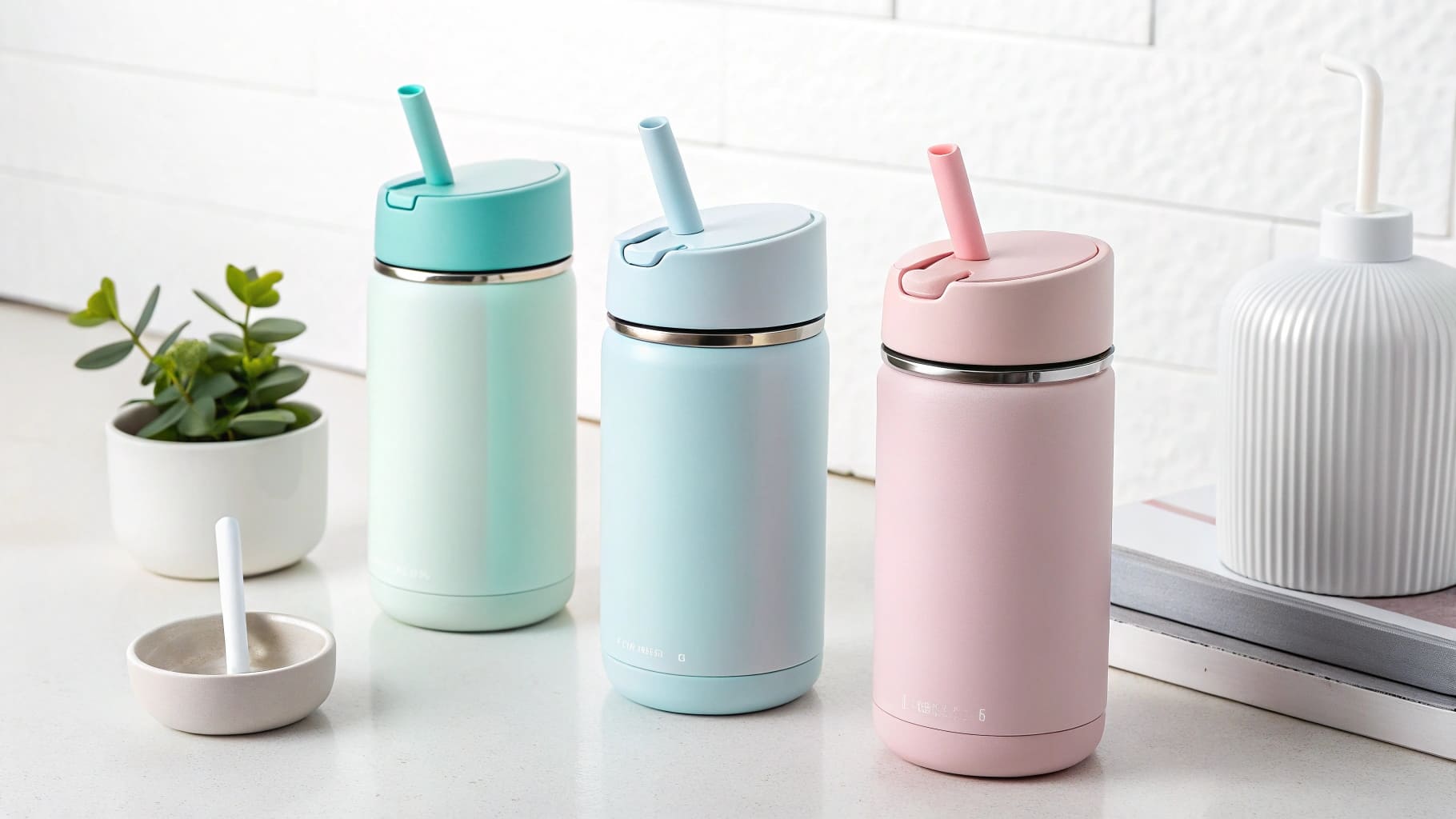
It can feel overwhelming, I know. When I first started sourcing tumblers for Icobottle, the sheer number of options was a lot to take in. But breaking it down makes it much simpler. You want a product that not only looks good but also performs well and truly represents your brand. Let's explore how you can make the best choices for your business. We'll look at how people usually customize them, the common materials, and if this can be a good business for you.
How do people customize tumblers?
Want your tumblers to stand out but unsure how? Customization can feel complex. I'll show you the common ways to make your tumblers unique.
People customize tumblers by adding logos, choosing special surface finishes like spray painting or powder coating, and even selecting custom packaging. Popular logo methods include silkscreen print, laser engraving, and sublimation.
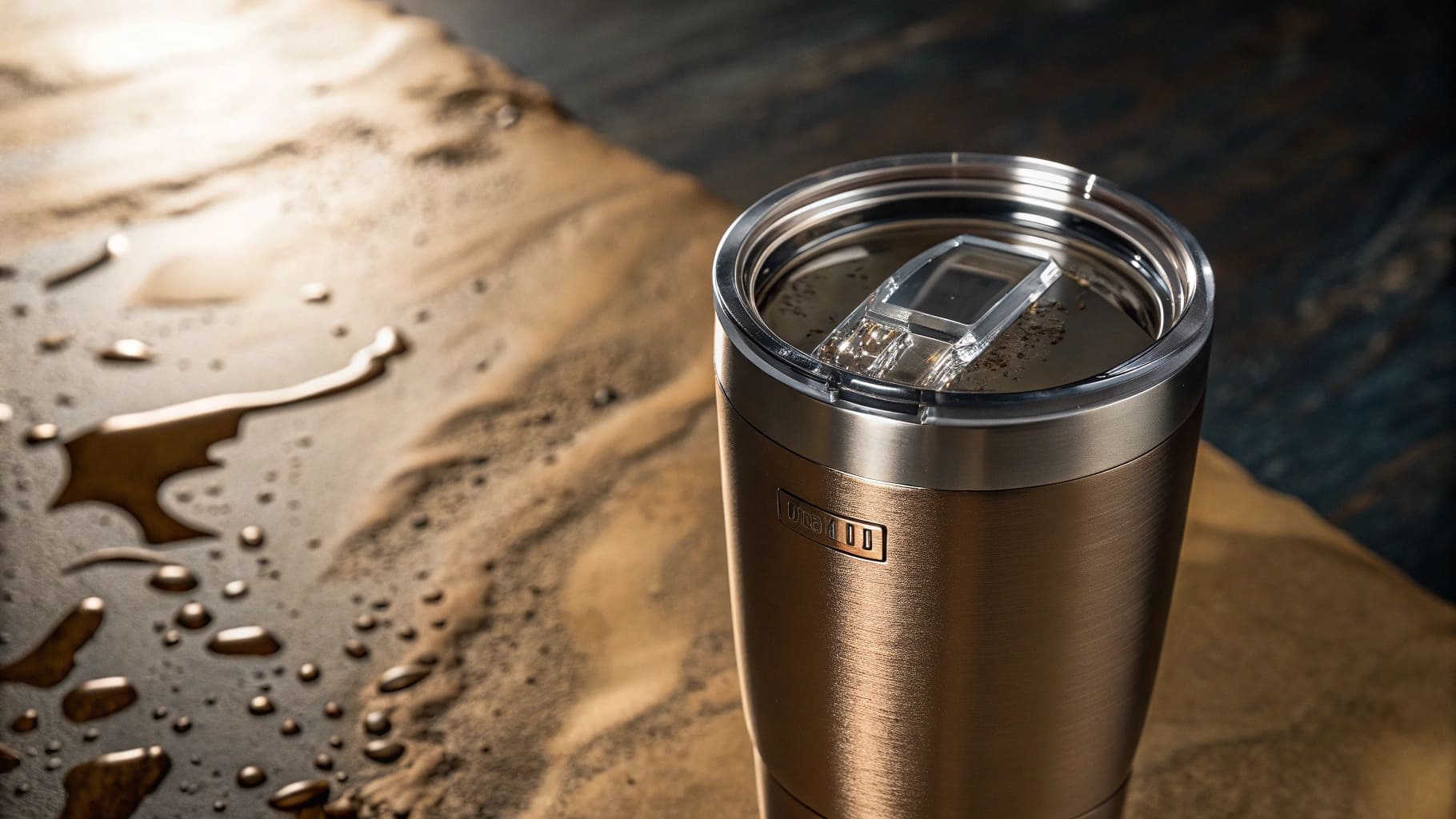
When we talk about customization, it's more than just slapping a logo on a tumbler. It's about creating a product that tells a story, your brand's story. I remember working with Mark, a client from Canada. He was very particular about the finish, wanting something that felt premium yet rugged for his outdoor brand.
Surface Finishes
The feel and look of a tumbler are heavily influenced by its surface finish.
- Spray Painting: Offers a wide range of colors and can create glossy or matte looks. It's versatile.
- Powder Coating: This is a more durable option. It gives a textured, slightly rougher finish that’s great for grip and resisting scratches. Mark loved this for his brand.
- Gradient Painting: This creates a smooth transition between two or more colors, giving a very modern and stylish appearance.
- Water Transfer Printing: Allows for complex patterns, like wood grain or camouflage, to be applied to the tumbler surface.
Logo Application Methods
Your logo is your brand's signature.
| Method | Description | Best For |
|---|---|---|
| Silkscreen Print | Ink is pushed through a mesh screen onto the tumbler. Good for solid colors. | Simple, bold designs; cost-effective in bulk. |
| Laser Engraving | A laser etches the design into the tumbler's surface. Very durable. | Premium look; metallic tumblers. |
| Sublimation | Heat transfers dye onto the tumbler. Allows for full-color, complex designs. | Photographic images; vibrant gradients. |
| UV Printing | Cures ink with UV light directly onto the tumbler. Good for full-color logos. | Detailed, multi-color designs. |
Custom Packaging
Don't forget the unboxing experience. Custom packaging can range from simple printed boxes with your logo to more elaborate designs that enhance the perceived value of your product. It’s the first physical interaction a customer has with your brand, so make it count. We once helped a startup boss design a sleek cylindrical tube for their tumblers, and it made a huge difference in their retail presentation.
Understanding these options helps you, as a procurement officer or company owner, make informed decisions. It ensures the final product aligns perfectly with your brand identity and appeals to your target customers.
What are four different materials that can be used to make tumblers?
Confused by material choices for tumblers? Different materials offer varied benefits. I'll explain four common options to help you decide what’s best for your needs.
Tumblers are commonly made from stainless steel (like 304), copper, aluminum, and Tritan (a type of durable plastic). Each material has distinct properties affecting durability, insulation, and cost.
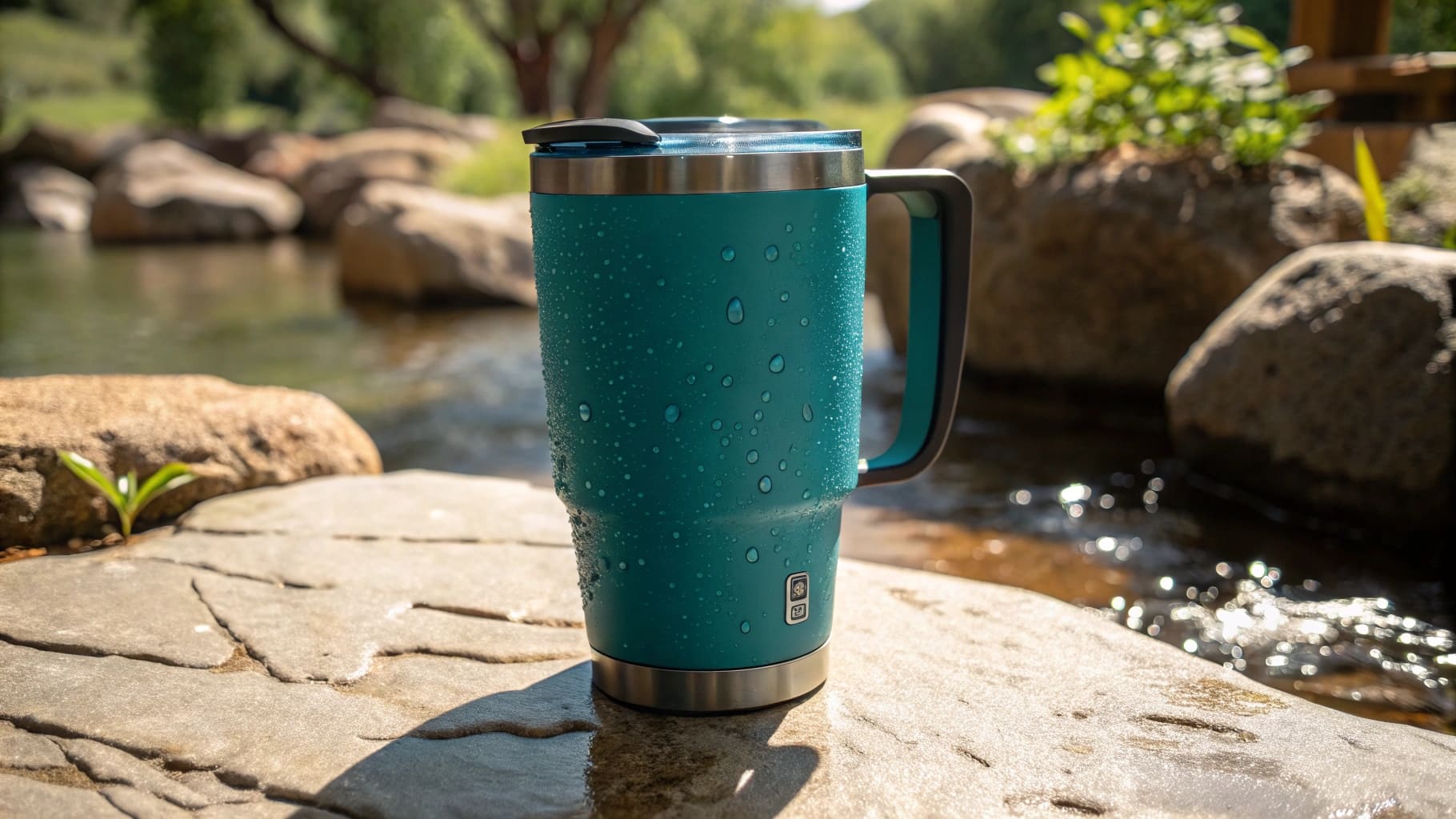
Choosing the right material is crucial for the tumbler's performance and how your customers perceive its quality. As someone who deals with stainless steel products like hip flasks and water bottles daily at Icobottle, I've learned a lot about material strengths.
Stainless Steel
- Description: By far the most popular choice, especially food-grade 304 stainless steel. It's known for its excellent durability, resistance to rust and corrosion, and being non-reactive (it won't retain or impart flavors). Many stainless steel tumblers, like those we produce, feature double-wall vacuum insulation. This keeps drinks hot for hours or cold for even longer.
- Pros: Extremely durable, great insulation (when double-walled), easy to clean, premium feel, recyclable.
- Cons: Can be heavier than other materials, sometimes more expensive upfront.
Mark, my Canadian client, primarily orders stainless steel water bottles precisely for these reasons – quality and durability are key for him.
Copper
- Description: Sometimes used as an inner layer in high-end vacuum-insulated tumblers (often alongside stainless steel) because of its excellent thermal conductivity, which can enhance insulation performance. Solid copper tumblers are less common for everyday use but popular for specific drinks like Moscow Mules.
- Pros: Excellent thermal properties, unique aesthetic.
- Cons: Can be expensive, requires more care to prevent tarnishing (if not coated), heavier.
Aluminum
- Description: Lightweight and cost-effective. Aluminum tumblers are often single-walled, making them less ideal for insulation unless combined with other materials or designs. They can be easily shaped and colored.
- Pros: Lightweight, recyclable, often more affordable, can be brightly colored.
- Cons: Dents more easily than stainless steel, not as good for insulation on its own, can react with acidic drinks unless lined.
Tritan (Plastic)
- Description: A type of copolyester plastic known for its toughness, clarity, and being BPA-free. Tritan tumblers are shatter-resistant and look like glass but are much more durable.
- Pros: Lightweight, impact-resistant, BPA-free, dishwasher safe, often more affordable than metal.
- Cons: Doesn't offer the same insulation properties as vacuum-sealed stainless steel, can sometimes retain odors or stains over long periods if not cleaned properly.
Here's a quick comparison:
| Material | Durability | Insulation (Typical) | Weight | Cost Indicator | Common Use |
|---|---|---|---|---|---|
| Stainless Steel | High | Excellent (Vacuum) | Moderate | Mid-High | Hot/cold beverages, daily use |
| Copper | Moderate | Good (often as layer) | Heavy | High | Specialty drinks, insulation aid |
| Aluminum | Moderate | Poor (single-wall) | Light | Low-Mid | Cold drinks, budget-friendly |
| Tritan | High | Poor | Very Light | Low-Mid | Cold drinks, active use, kids |
As a procurement officer or business owner, understanding these differences helps you select a tumbler that meets your quality standards, price points, and the specific needs of your customers in markets like America or Europe.
Is selling custom tumblers profitable?
Wondering if investing in custom tumblers is a smart business move? It can be, with the right strategy. I'll explain how it can boost your bottom line.
Yes, selling custom tumblers can be quite profitable. Partnering with a good manufacturer who offers design support, efficient production, and quality customization helps create unique, high-demand products.
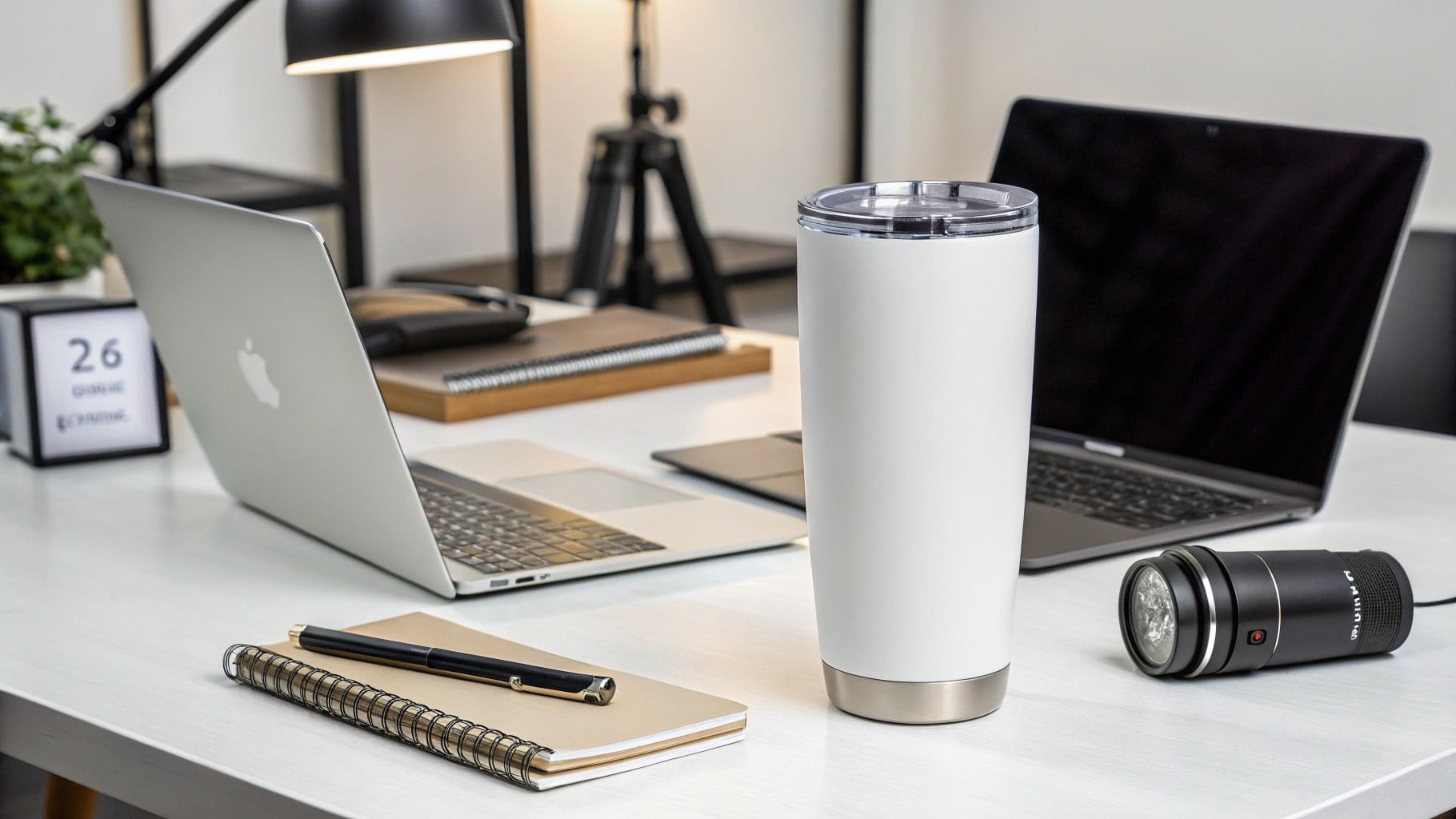
The profitability of selling custom tumblers isn't just about the product itself; it's heavily influenced by your supplier partnership and market strategy. For businesses like Mark's in Canada, who rebrand and distribute, finding a reliable B2B wholesale partner like Icobottle is key.
Factors Driving Profitability
- Unique Product Appeal: Customization allows you to create a product that truly stands out. When I work with clients, whether they are procurement officers from large companies or startup bosses, the goal is always to turn their design vision into a best-seller. This uniqueness commands better prices.
- Brand Building: Custom tumblers are walking billboards. A well-designed tumbler with a quality logo and finish reinforces brand identity and can lead to increased customer loyalty and repeat purchases. This is especially true when targeting specific markets like America or Europe where brand perception is strong.
- Higher Perceived Value: Custom features, from unique surface treatments to innovative lid designs, increase the perceived value of the tumbler. Customers are often willing to pay more for a product that feels special and tailored. I remember a startup that wanted a custom mold for their lid – it cost more initially, but their sales figures proved it was a worthwhile investment.
- Access to Market Share: Manufacturers who offer comprehensive services, including custom molding, manufacturing, decorating, and logo application, empower you to capture more market share. They can help you create a diverse product line catering to different segments.
- Cost Efficiency through Good Manufacturing: While quality is paramount (something Mark is always sensitive to), competitive pricing is also vital. Working with a manufacturer that has automated and efficient production lines, like we strive for at Icobottle, means lower manufacturing costs. These savings can be passed on to you, improving your profit margins, or used to offer more competitive pricing to your end customers.
Overcoming Challenges
Mark often mentions his pain points: inefficient communication and delayed shipments. A good manufacturing partner mitigates these. Clear communication about quality inspection, certification (we always provide genuine ones!), logistics, and payment methods builds trust and efficiency. This ensures you don't miss peak sales seasons due to supplier issues. For instance, we make sure our production schedule is transparent and we work closely with freight forwarders to meet delivery deadlines.
Ultimately, the profitability comes from offering a desirable, high-quality product at a competitive price, backed by reliable service. It’s not just about selling a tumbler; it's about selling a solution that meets your customers' needs and enhances your brand.
Conclusion
Choosing sizes, materials, and customizations wisely, plus a good partner, makes wholesale tumblers a profitable venture. Your brand can truly shine with the right choices.
