
Struggling to pick truly green vacuum flasks? Choosing wrongly hurts our planet. Here, you will find sustainable material options for your business.
High-grade stainless steel, like 304 or 18/8, is a top eco-friendly choice for vacuum flasks. It's durable, recyclable, and safe for health. BPA-free plastics for lids also help make a product sustainable.
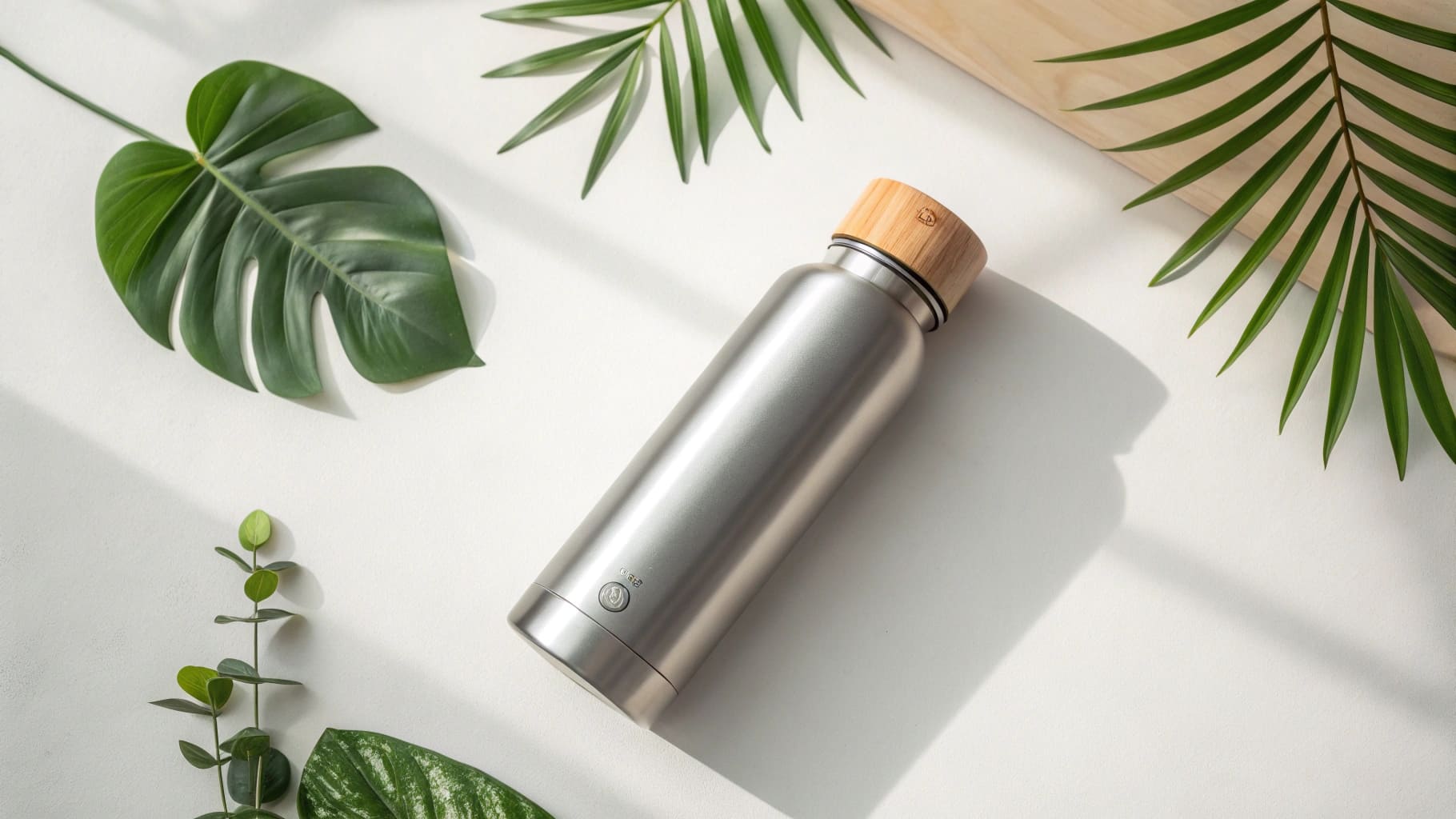
You now know the basics about eco-friendly materials for vacuum flasks. But there is much more to consider for your business. It is important to understand the details. This helps you make informed choices. Let's look closer at what really goes into these popular products. We will explore why the material choices matter so much for quality and for the Earth.
What materials are used in flask?
Confused about what flasks are made of? Some hidden materials might not be as eco-friendly as you hope. We will break down common flask materials.
Modern vacuum flasks mainly use stainless steel for the body. For lids and seals, manufacturers often use BPA-free plastics like polypropylene (PP) and food-grade silicone1. These are chosen for safety and durability.
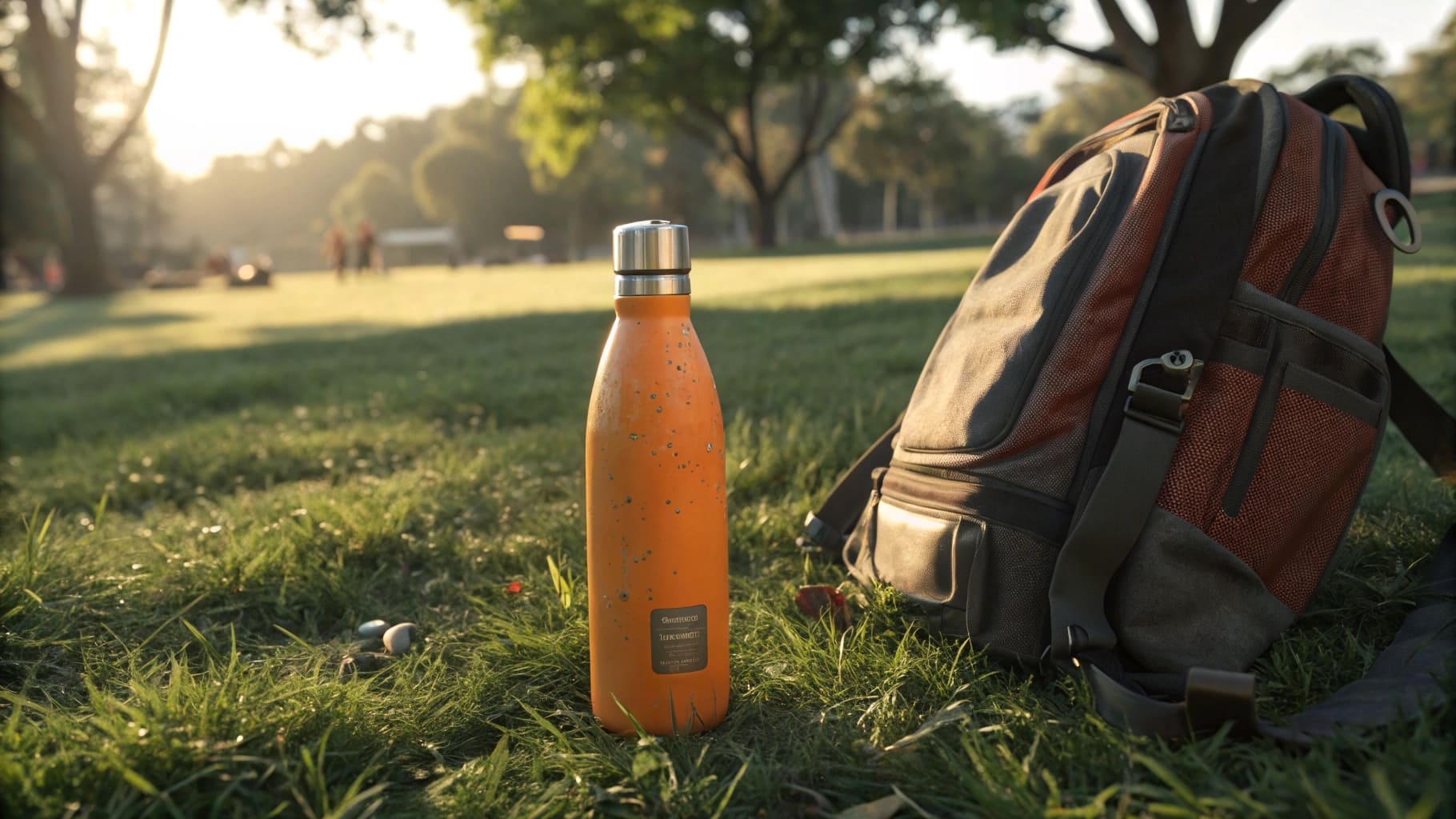
When we talk about the materials in a vacuum flask, it’s not just one single thing. Several components work together. As a manufacturer at Icobottle, I see these choices made every day. For someone like Mark Shenng, who values quality, understanding these materials is key.
The Core: Stainless Steel Dominance
The main body of most quality vacuum flasks today is made from stainless steel.
- Type: Most commonly, you'll find 18/8 or 304 grade stainless steel. This means it contains 18% chromium and 8% nickel.
- Why it's chosen: This type of steel is very strong. It resists rust very well. It also doesn't hold onto flavors, so your coffee won't taste like yesterday's tea. Critically, it's a non-toxic material, ensuring drinks stay pure.
- Role in Insulation: The flask body usually has two walls of stainless steel2. The air between these walls is removed to create a vacuum. This vacuum is what stops heat transfer, keeping drinks hot or cold. Stainless steel is rigid enough to maintain this vacuum.
Lids and Seals: The Supporting Ensemble
The lid and seals are also very important. They must be safe and perform well.
- Plastics: Polypropylene (PP, recycling #5) is a common choice for lids. It's tough and can handle heat. It's vital to choose BPA-free PP. This means it doesn't have Bisphenol A, an industrial chemical that can be harmful.
- Silicone: Food-grade silicone is typically used for gaskets and seals. It's flexible, creating an airtight and leak-proof closure. Silicone is also very stable and doesn't react with food or drinks. It can handle a wide range of temperatures.
Here's a simple breakdown:
| Component | Primary Material | Key Eco-Friendly & Quality Aspects |
|---|---|---|
| Flask Body | 18/8 Stainless Steel | Durable, fully recyclable, non-leaching, preserves taste |
| Lid Structure | BPA-free Polypropylene | Strong, heat resistant, recyclable (where facilities exist), safe |
| Seals/Gaskets | Food-grade Silicone | Flexible, inert, durable, creates tight seal |
At Icobottle, we always stress the importance of sourcing these materials from reputable suppliers. We need to ensure they are certified and meet international safety standards. This is crucial for B2B clients who build their brand on quality.
What materials are used to make a Hydro Flask?
Curious about big brands like Hydro Flask? You might wonder if their materials are as eco-conscious as they claim. Let's look at their material choices.
Hydro Flask bottles primarily use 18/8 pro-grade stainless steel for the main body. Their lids are typically made from BPA-free plastics, and they use food-grade silicone for seals to ensure they are leak-proof.

Many of my clients, especially those like Mark who are conscious of brand reputation and product quality, often ask about popular brands. Hydro Flask is a name that comes up a lot. Understanding their material choices can give us insights into industry best practices.
Hydro Flask's Signature: Pro-Grade Stainless Steel
Hydro Flask emphasizes its use of "18/8 pro-grade stainless steel."
- What is 18/8 Pro-Grade?: This is essentially high-quality 304 stainless steel. The "18/8" refers to the percentage of chromium and nickel, which provide corrosion resistance and durability. The "pro-grade" term is largely a marketing distinction, highlighting its quality for consumers.
- Benefits for the User: This steel ensures pure taste. It doesn't retain or transfer flavors. So, water tastes like water, and coffee tastes like coffee. Its durability means the flask can withstand daily use and occasional drops.
- Sustainability Angle: The long life of a durable stainless steel bottle is a key sustainability feature. If a product lasts for many years, it reduces the need for replacements. This means less manufacturing and less waste over time. I always tell my customers, investing in quality is investing in sustainability.
Lids, Coatings, and Other Bits
Beyond the steel body, other materials complete a Hydro Flask.
- Lid Materials: Hydro Flask lids are made from BPA-free polypropylene. This is important for health safety. Some lids might have more complex designs, incorporating multiple parts, but the primary plastic is chosen for its safety and toughness.
- Silicone Seals: Like most quality flasks, food-grade silicone gaskets are used to make the lids leak-proof.
- Proprietary Powder Coat: Hydro Flasks are known for their colorful and durable powder coat finish. While the coating itself isn't a "core" eco-material, its durability is a plus. A coat that resists chipping and wear keeps the bottle looking good for longer. This can reduce the consumer's desire to replace it just because it looks old. This is an indirect environmental benefit.
- Insulation in Lids: Some Hydro Flask lids, especially those for hot beverages, might feature their "Honeycomb Insulation™". This often involves some form of insulating material within the lid structure to further prevent heat loss. The specific eco-friendliness of this internal insulation material isn't always detailed, but the overall function contributes to performance.
Hydro Flask often markets its products with an outdoor, active lifestyle image. This aligns well with the idea of environmental responsibility. Their choice of durable, safe materials like 18/8 stainless steel and BPA-free plastics supports this image. As a manufacturer, I see this connection clearly: brand values often drive material specifications. A procurement officer like Mark would understand that these material choices are not accidental; they are tied to the brand's promise.
Is stainless steel eco-friendly?
Is stainless steel truly a green choice? Its industrial origin might make you pause. Let's uncover its actual environmental credentials together.
Yes, stainless steel is largely eco-friendly. It is very durable, 100% recyclable3 without losing quality, and non-toxic. Its long life greatly cuts down waste compared to single-use options.
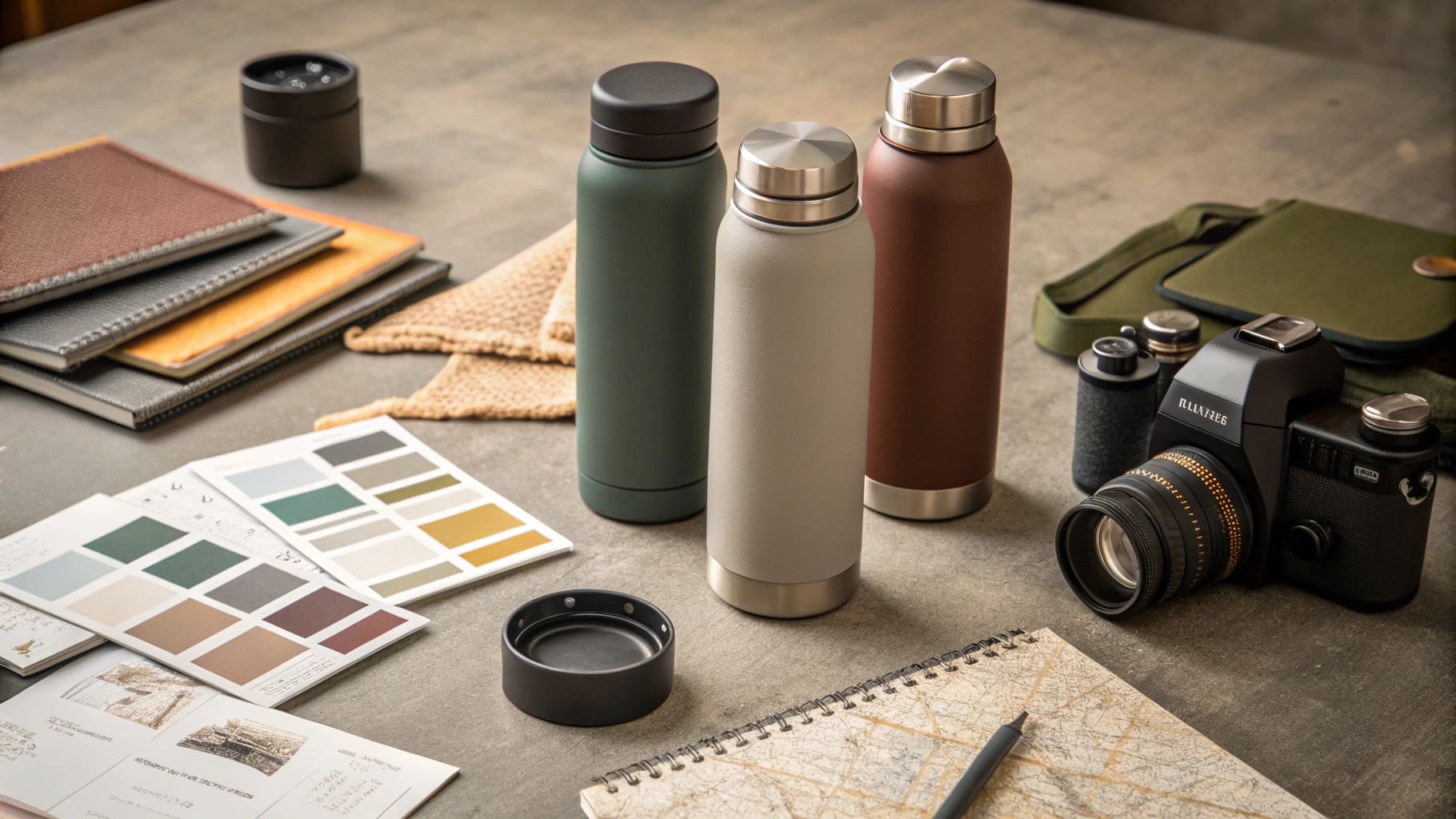
This question comes up a lot in my conversations with buyers. People see metal, they think of mining and heavy industry. So, it's fair to ask about the eco-friendliness of stainless steel. For my business, Icobottle, and for customers like Mark who are keen on quality and sourcing, the answer is important.
The Bright Side: Why Stainless Steel is a Good Choice
Stainless steel has several strong points that make it an environmentally sound material for products like vacuum flasks.
- Incredible Durability and Longevity: Stainless steel products last a very long time. A well-made flask can serve for years, even decades. I have customers who still use flasks they bought from us many years ago. This long lifespan means fewer items are made and discarded.
- High Recyclability: Stainless steel is 100% recyclable. It can be melted down and reformed into new stainless steel products without any loss of quality. This is called closed-loop recycling. The infrastructure for recycling steel is also well-established globally, and recycling rates are high.
- Non-Toxic and Inert: Stainless steel doesn't leach harmful chemicals into food, drinks, or the environment. This makes it safe for human use and means it doesn't pollute soil or water when (eventually, many years later) disposed of, if not recycled.
- Massive Waste Reduction: Reusable stainless steel bottles and flasks directly replace countless single-use plastic bottles. The environmental impact of single-use plastic is huge, from production to pollution. Stainless steel offers a practical way to reduce this plastic waste.
The Other Side: Acknowledging the Manufacturing Impact
It's also important to be honest about the full lifecycle.
- Energy in Production: Making stainless steel from raw materials (iron ore, chromium, nickel, molybdenum) is an energy-intensive process. Mining these ores and then smelting and refining them requires significant amounts of energy.
- Carbon Footprint: This energy use means that the initial production of stainless steel does have a carbon footprint. We cannot ignore this.
However, good manufacturers, including us at Icobottle, work to lessen this impact. We try to source our steel from mills that use more modern, energy-efficient technology. We also aim to optimize our own production processes to reduce energy consumption and waste. Using recycled stainless steel in production also significantly lowers the energy needed compared to making it from virgin raw materials.
Let's compare it simply:
| Feature | Stainless Steel Flask | Single-Use Plastic Bottle (PET) |
|---|---|---|
| Lifespan | Many years | Often just minutes or hours |
| Recyclability | Highly and infinitely recyclable | Often downcycled, limited uses |
| Raw Material Impact | Higher for initial unit | Lower per unit, but vast volume |
| Leaching Risk | Extremely low / None | Potential for chemical leaching |
| End-of-Life Waste | Low (due to reuse & recycling) | High, contributes to pollution |
| Overall Eco-Impact (Lifecycle) | Significantly lower over time | Very high due to disposability |
For a discerning buyer like Mark Shenng, who looks at both quality and long-term value, stainless steel is a clear winner from an environmental standpoint when its full lifecycle is considered. The initial impact of manufacturing is offset many times over by its durability and recyclability, especially when compared to the relentless cycle of single-use products.
Conclusion
Choosing eco-friendly flasks means picking durable, recyclable materials like stainless steel and safe plastics. This simple choice makes a big, positive impact on our planet.
-
Discover the properties of food-grade silicone and its role in creating safe, leak-proof seals in flasks. ↩
-
Explore the advantages of stainless steel in flasks, including durability and safety, to make informed choices for your hydration needs. ↩
-
Exploring this resource will provide insights into the advantages of recyclable materials, enhancing your understanding of sustainability. ↩
