
Tired of your drink turning lukewarm too quickly? Many bottles promise chill, but not all deliver. The secret lies in how they are made.
Not all stainless steel bottles perform the same. For truly long-lasting cold, choose double-wall vacuum insulation. Single-wall bottles offer very little insulation, much like a standard glass or plastic container.
[image placeholder]
You might be wondering what really sets these bottles apart. Why do some keep ice for a whole day while others struggle for an hour? It's not just about the metal; it's about the technology hidden within. Let's dive into the specifics so you can understand what to look for, especially if you're sourcing these for your business, like my client Mark from Canada often does. He needs to know his customers will be happy.
Do all stainless steel bottles keep water cold?
Expecting ice-cold refreshment but finding tepid water instead? Not all steel bottles are built for lasting chill. Let's clarify what makes the difference in their cooling abilities.
Most stainless steel bottles can make water feel cold initially. However, only those with double-wall vacuum insulation will keep it genuinely cold for many hours. Simpler, single-wall versions provide minimal temperature control.
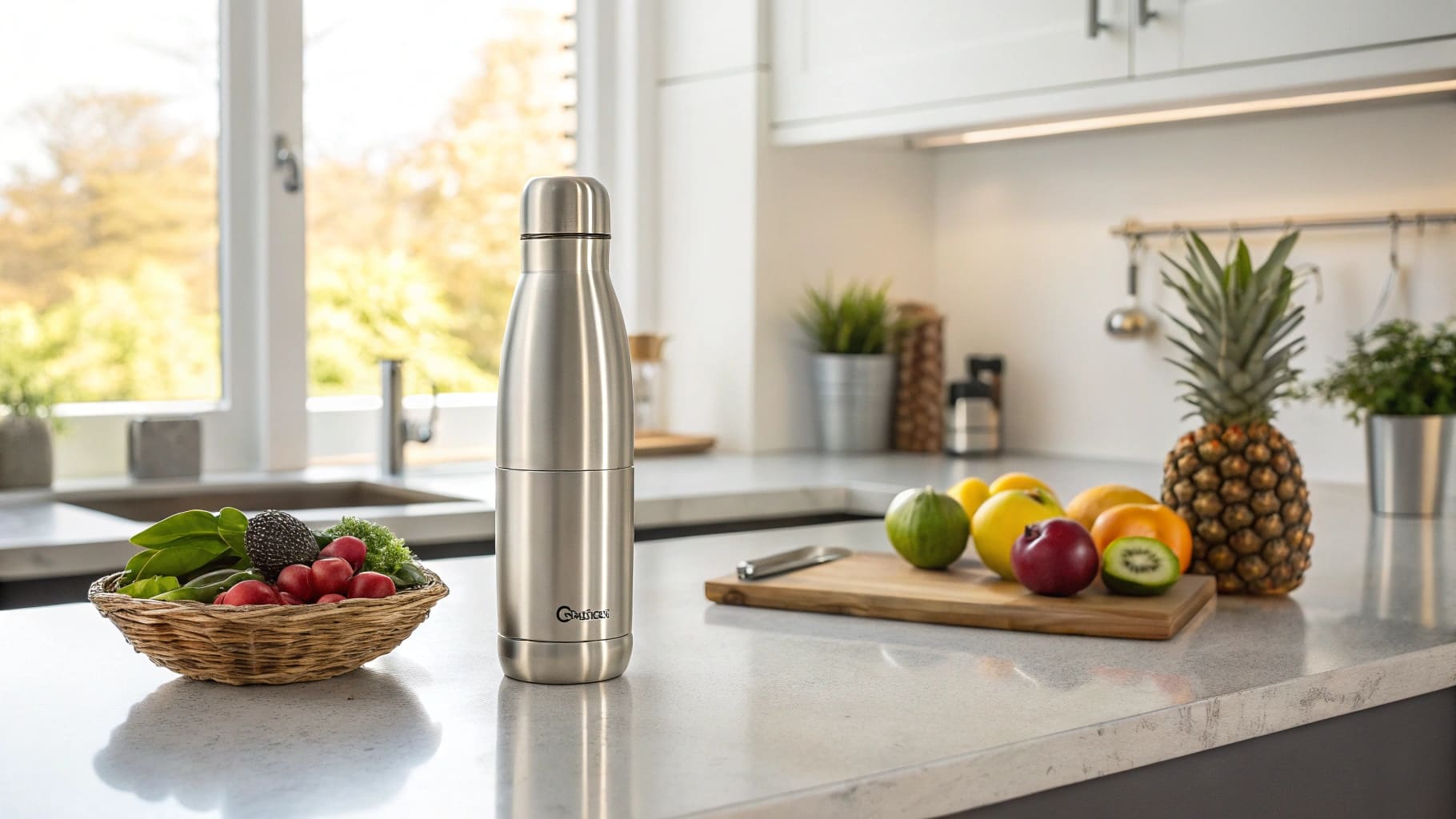
When we talk about stainless steel bottles, the first thing to understand is their construction. This is the main factor determining how well they keep water cold.
-
Single-Wall Bottles: The Basics
A single-wall stainless steel bottle is just that – one layer of steel. Think of it like a metal version of a glass. It will conduct temperature. So, if you put cold water in it, the bottle itself will feel cold. And it will transfer the cold to your hand. It also means heat from the outside environment can easily warm up your drink. These bottles are durable and reusable, which is great. But they don't offer much in terms of insulation. They might keep water cool for a slightly longer time than a plastic bottle in some conditions, but not by a lot. For my clients who need a very budget-friendly option and aren't prioritizing long-term cold, this might be a choice. But I always make sure they understand the limitations. -
Double-Wall (Non-Vacuum) Bottles: A Small Step Up
Sometimes, you might find bottles with two walls of steel but without the vacuum. The air trapped between the walls can offer a tiny bit more insulation than a single wall. However, air is still a conductor of heat, just not as good as steel itself. So, while slightly better, these are still not the champions of cold retention.
The term "stainless steel" itself doesn't magically grant insulation. Stainless steel is a fantastic material – it's food-safe, durable, and doesn't rust easily. But its inherent ability to insulate is low. It's the construction method that truly matters for temperature control. I once had a discussion with Mark, my client from Canada. He was considering a basic stainless steel bottle for a promotional giveaway. We talked about his target audience and whether they'd expect long-lasting cold. He decided that for that particular promotion, durability was key, but for his main retail line, he needed superior insulation. This kind of clarity helps procurement officers like him make informed choices.
Why is my stainless steel water bottle not staying cold?
Is your stainless steel bottle letting your cold drinks get warm too fast? It's a common frustration when you expect insulation. Let’s look at the usual reasons this happens.
If your stainless steel bottle isn't keeping drinks cold, it's very likely a single-wall design. For bottles that are supposed to be insulated, a damaged vacuum seal or a poorly sealing lid is often the problem.
It's disappointing when you expect a cold drink for hours, and it's lukewarm in no time. Several factors could be at play if your stainless steel bottle isn't performing.
-
The Most Common Culprit: Single-Wall Construction
As we discussed earlier, if your bottle has only one layer of stainless steel, it simply doesn't have the structure to insulate effectively. Heat from the surrounding air, or even the warmth of your hand holding it, will pass through the steel and warm up the contents. These bottles are great for carrying water and are robust, but keeping drinks cold for extended periods isn't their strong suit. Many people buy a "stainless steel bottle" expecting insulation, not realizing there are different types. -
Issues with Insulated Bottles
If you know you have a double-wall vacuum-insulated bottle and it’s still not working, here are some potential reasons:- Compromised Vacuum Seal: The magic of these bottles lies in the vacuum between the two walls. This vacuum prevents heat transfer by conduction and convection. If this seal is broken – perhaps the bottle was dropped hard, dented significantly, or there was a manufacturing defect – air gets into that space. Once air is present, the insulating properties are drastically reduced. It essentially becomes a regular double-wall (non-vacuum) bottle. I remember we once had a shipment arrive, and during our quality checks at Icobottle, we found a small percentage had lost their vacuum. It turned out to be due to very rough handling by a third-party logistics company before the goods even reached our main export forwarder. This highlighted the importance of not just product quality, but also robust packaging and careful shipping.
- Lid Problems: The lid is a critical point for heat exchange.
- Not Screwed On Tightly: A simple oversight, but if the lid isn't on properly, cold can escape, and warmth can get in.
- Damaged or Missing Gasket: Most insulated lids have a silicone or rubber gasket (o-ring) to create an airtight seal. If this is damaged, worn out, or missing, the bottle won't seal correctly.
- Lid Design: Some lids, especially those with straw openings or flip-up spouts, might not offer the same level of insulation as a solid, fully sealed cap, even if the bottle body is well-insulated.
-
External Factors to Consider
While less common, sometimes extreme conditions play a role. If you leave your bottle in direct, scorching sunlight for hours, even the best bottle will eventually struggle. Also, a common mistake is "pre-heating" a bottle with hot water if you intend to use it for cold drinks – this just gives it more warmth to fight against. Always pre-chill with cold water if you want maximum coldness.
Mark, my Canadian client, is particularly attentive to quality inspection and certification. He once told me about a bad experience with a previous supplier where the certificates looked fine, but the actual performance of the bottles was poor. This is why, at Icobottle, we emphasize rigorous testing, including checks for vacuum integrity, so our B2B clients like Mark can trust the products they source from us.
What water bottle keeps drinks cold the longest?
Searching for a bottle that genuinely keeps your drinks icy all day long? Many make claims, but few truly deliver. Discover the specific features that make a champion cold-retainer.
Double-wall vacuum-insulated stainless steel bottles are the best for keeping drinks cold the longest. Top-quality construction, a perfectly sealed lid, and sometimes extra features like copper linings further boost their performance.
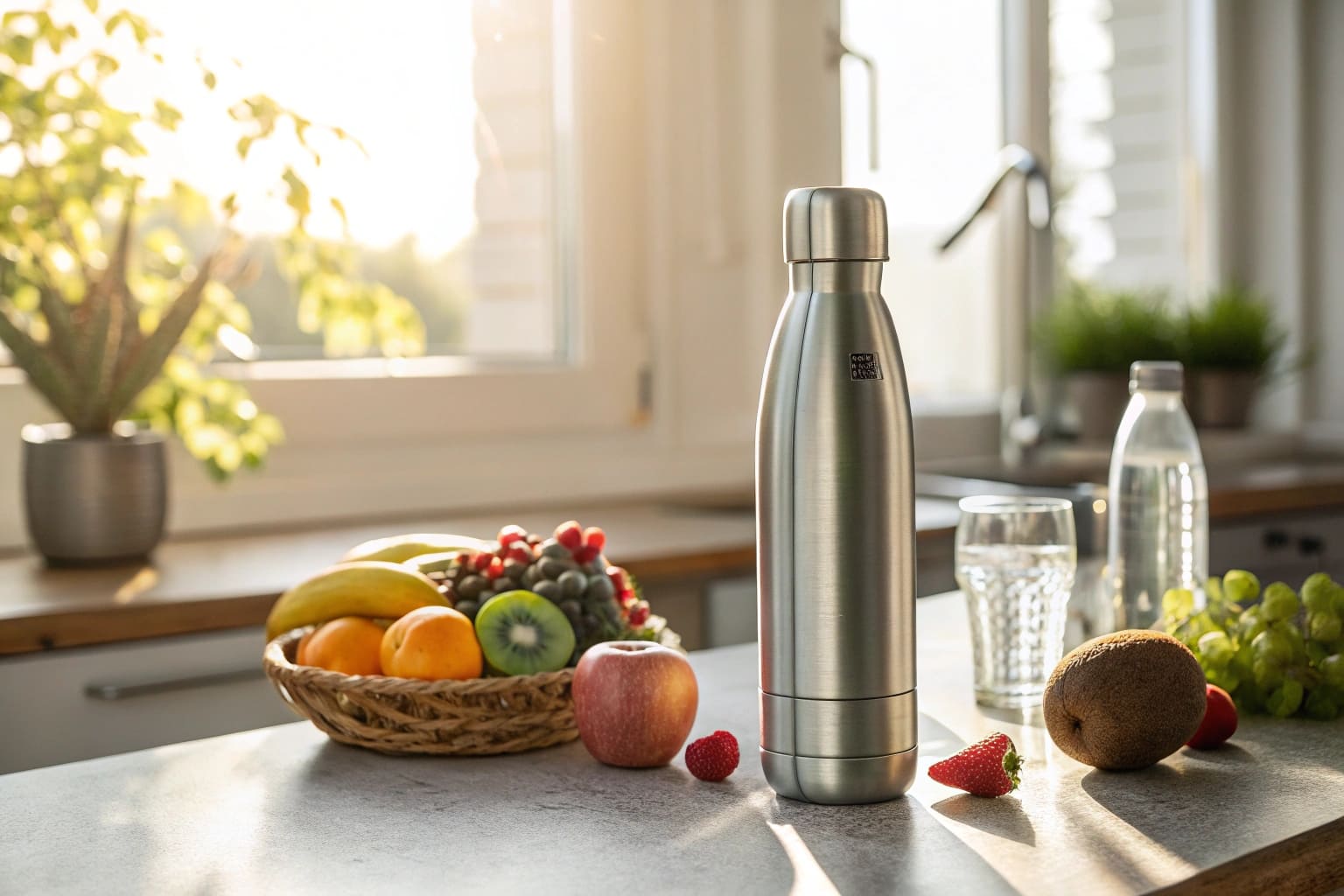
When the goal is maximum cold retention, one type of bottle stands far above the rest: the double-wall vacuum-insulated stainless steel bottle. This isn't just a fancy name; it describes a specific technology that is incredibly effective.
-
The Power of Vacuum Insulation
Let's break this down. "Double-wall" means there are two layers of stainless steel, an inner wall and an outer wall. "Vacuum-insulated" means the air between these two walls has been pumped out, creating a near-vacuum. Why is this important? Heat travels in three ways:- Conduction: Heat moving through a solid material (like heat traveling up a metal spoon in hot soup).
- Convection: Heat moving through the flow of liquids or gases (like hot air rising).
- Radiation: Heat traveling as electromagnetic waves (like heat from the sun).
A vacuum dramatically reduces conduction and convection because there are very few air molecules to transfer the heat between the inner and outer walls. This is the core principle that allows these bottles to keep drinks cold (or hot) for many hours.
-
Key Factors for Superior Performance
Not all vacuum-insulated bottles are created equal, though. Several elements contribute to how long one can keep drinks cold:- Quality of the Vacuum: The more complete the vacuum (meaning, the less air left between the walls), the better the insulation. Achieving and maintaining a high-quality vacuum is a mark of good manufacturing, something we focus on at Icobottle.
- Material Grade and Construction: Most reputable bottles use food-grade 304 (also known as 18/8) stainless steel. Consistent wall thickness and quality welding are also important for durability and maintaining the vacuum seal.
- Lid Design and Seal: As mentioned before, the lid is crucial. A well-designed, insulated lid that creates an airtight seal is essential. Some high-performance bottles even have double-walled lids for extra insulation. Mark often asks specifically about the lid insulation for the premium water bottles he sources for his Canadian brand.
- Optional Enhancements:
- Copper Lining: Some bottles include a thin layer of copper on the outside of the inner wall (within the vacuum space). Copper is excellent at reflecting thermal radiation. This helps to further reduce heat transfer, giving an extra boost to cold (and heat) retention.
- Getter: A "getter" is a small material placed inside the vacuum space to absorb any stray gas molecules that might seep in over time, helping to maintain the integrity of the vacuum for longer.
When businesses like Mark's are looking to source stainless steel water bottles to rebrand and sell, understanding these features is vital. It’s not just about finding the cheapest option; it's about finding a product that performs as advertised and satisfies the end consumer. For procurement officers, specifying "double-wall vacuum insulated, 304 stainless steel, with a high-quality sealed lid" is the starting point for sourcing bottles that genuinely keep drinks cold for the longest time. This ensures their customers receive a product that lives up to expectations for long-lasting refreshment.
Conclusion
To ensure your drinks stay refreshingly cold, always choose double-wall vacuum insulation. This technology makes a significant difference, keeping your customers happy and hydrated with perfectly chilled beverages.