
Tired of your coffee getting cold or your water warming up too fast? This problem can ruin your drink. You need a reliable solution to keep beverages at the ideal temperature.
High-performance insulated water bottles keep drinks perfect using vacuum insulation. Two walls of stainless steel with a vacuum between them stop heat transfer, maintaining your drink's temperature for hours.
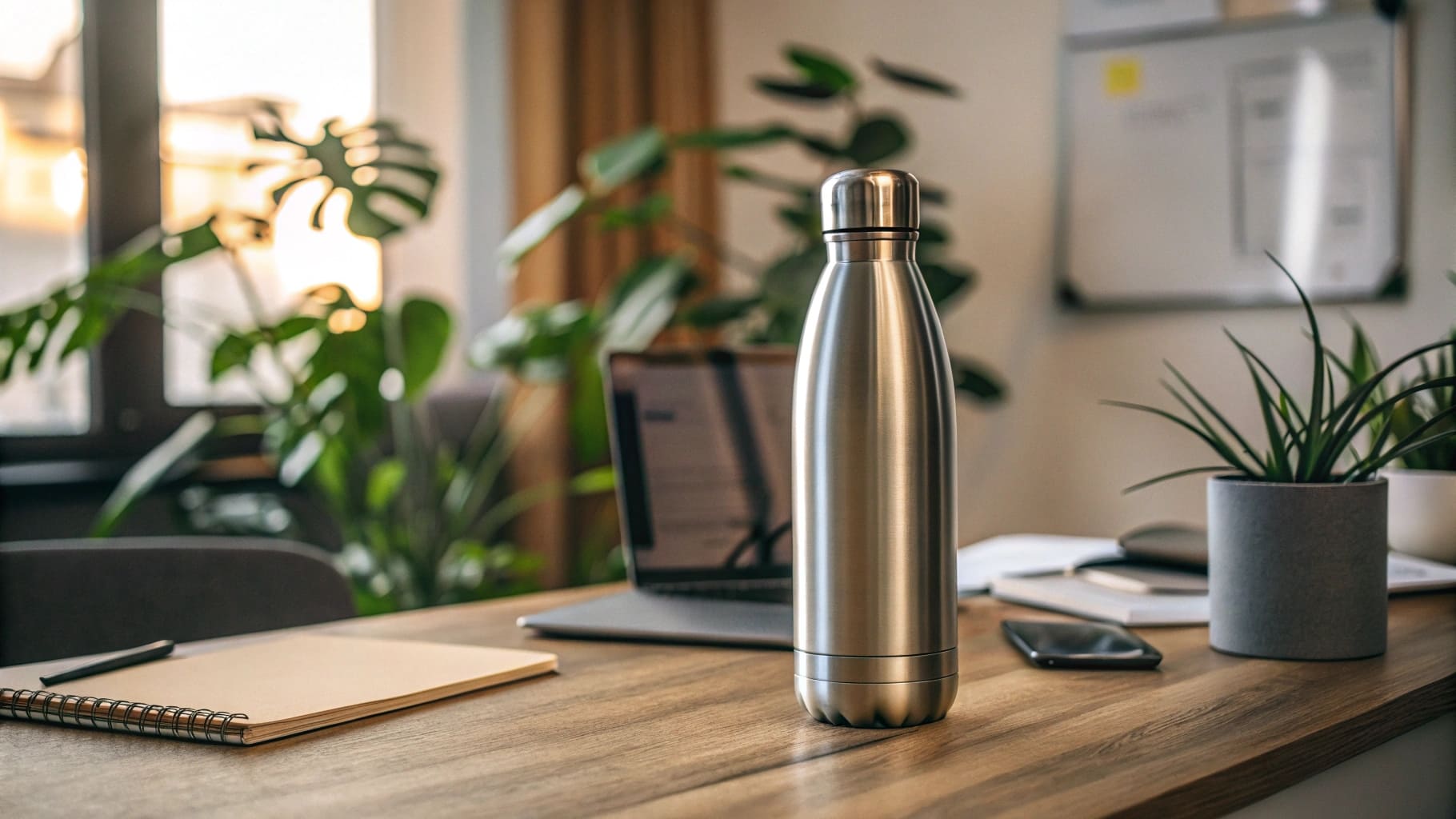
Keeping your drink just right is a common challenge. We all want that refreshing cold sip or comforting warm gulp, hours after we've prepared it. As a manufacturer at Icobottle, I've seen how crucial this is for customers. Let's explore the science that makes these bottles so effective. This understanding helps B2B buyers like Mark Shenng appreciate the quality they are purchasing. It also helps explain the value to end-users.
How do vacuum bottles keep cold beverages contained inside them from getting warm?
Is your icy drink lukewarm by lunchtime? This disappointment is common. You need a bottle that truly locks in the cold, keeping your refreshment genuinely chilled for hours.
Vacuum bottles prevent cold drinks from warming up by creating a barrier. The vacuum between the bottle's double walls stops outside heat from reaching your cold beverage inside.
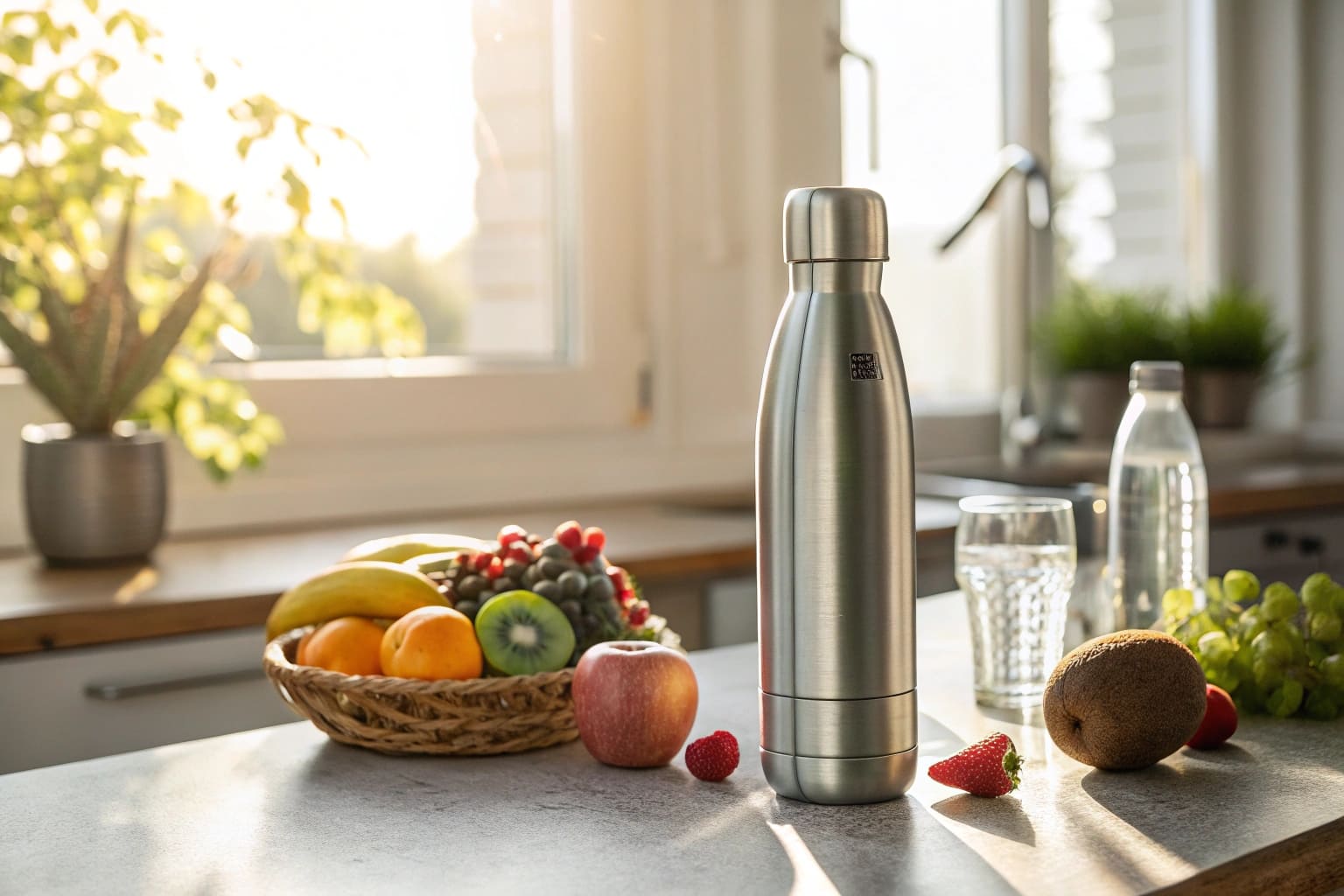
When we talk about keeping cold drinks cold, we are really talking about preventing heat from getting in. Think of it like this: your cold drink is in a cool environment, and the world outside the bottle is usually warmer. Heat always wants to move from warmer places to cooler places. The job of your insulated bottle is to stop this movement. At Icobottle, we use high-quality 304 stainless steel1 for both the inner and outer walls. This material is food-safe and durable.
The real magic happens in the space between these two walls. We pump nearly all the air out of this space. This creates a vacuum. Because there are very few air molecules in this vacuum, it's very hard for heat to travel across it.
So, how does heat try to get in?
- Conduction: Heat tries to travel through the bottle material itself. The vacuum greatly reduces this because the inner and outer walls don't touch much, only at the neck.
- Convection: Heat tries to travel through the air. Since there's almost no air in the vacuum layer, convection is almost completely stopped between the walls.
This is why your water, iced tea, or juice stays cold for so long. The vacuum acts like an invisible shield, protecting your drink from the warmer ambient temperature. For our B2B clients, understanding this helps them explain the superior performance of vacuum-insulated bottle2s to their customers. It's a key selling point, especially for active users or in warm climates.
Here's a simple comparison:
| Feature | Single-Wall Bottle | Double-Wall Vacuum Bottle |
|---|---|---|
| Heat Barrier | Poor | Excellent |
| Cold Retention | Minutes | Hours |
| Condensation | Yes, on the outside | No |
This makes a big difference in user satisfaction.
How do vacuum-sealed bottles work?
Ever wondered about the "vacuum-sealed" term? It sounds technical. You might not be sure how it actually helps keep your drink at the right temperature for so long.
Vacuum-sealed bottles work by using a near-airless space between two walls. This vacuum dramatically reduces heat transfer3 by conduction and convection, effectively isolating the contents from outside temperatures.

The term "vacuum-sealed" points directly to the core technology I mentioned earlier: vacuum insulation. As a manufacturer, we pay close attention to creating a high-quality vacuum. If the vacuum isn't good, the bottle won't perform well. Let's break down how this vacuum fights the three ways heat moves.
1. Conduction
Conduction is heat transfer through direct contact. Imagine holding a hot metal spoon; the heat travels up the spoon to your hand by conduction. In a vacuum bottle, the inner wall holds your drink. The outer wall is what you touch. The vacuum space between them has very few molecules. So, there's very little material for heat to conduct through from the inner wall to the outer wall (if it's a hot drink) or from the outer wall to the inner wall (if it's a cold drink). The main point of contact is the neck of the bottle, which is why good lid insulation also matters, but the vacuum body does most of the work.
2. Convection
Convection is heat transfer through the movement of fluids, like air or water. Hot air rises, carrying heat with it. This is convection. Inside the space between the bottle's walls, we've removed almost all the air. Without air (or any other fluid) to move around, convection cannot effectively transfer heat between the inner and outer walls. This is a huge reason why these bottles are so good.
3. Radiation
Radiation is heat transfer through electromagnetic waves, like sunlight warming your face. All objects radiate heat. The vacuum itself doesn't stop radiation. However, the shiny surfaces of the stainless steel (often the inside of the outer wall and the outside of the inner wall) can reflect some of this radiant heat. For hot drinks, it reflects heat back inwards. For cold drinks, it reflects external heat outwards. While the vacuum is key for conduction and convection, material properties help a bit with radiation. But the massive reduction in conduction and convection is the star of the show.
Understanding these principles is vital for B2B buyers. When a supplier like Icobottle talks about "high-performance vacuum insulation," it's this scientific basis that guarantees the bottle will deliver on its promise of temperature retention4. This knowledge helps buyers like Mark Shenng choose products that truly perform.
| Heat Transfer Type | How Vacuum Insulation Minimizes It |
|---|---|
| Conduction | Very few molecules to pass energy between walls. |
| Convection | Almost no air or fluid to create currents between walls. |
| Radiation | Not directly stopped by vacuum, but reflective surfaces help. The vacuum is the main barrier for the other two. |
Why do hot water bottles work so well?
Need your coffee to stay piping hot for hours? A lukewarm morning brew is a letdown. You want a bottle that reliably keeps heat locked in, ensuring a perfect sip every time.
Hot water bottles, or vacuum flasks, excel because their vacuum insulation prevents the heat from your beverage escaping. The near-airless gap drastically slows down heat loss to the cooler environment.

The principle for keeping hot drinks hot is exactly the same as for keeping cold drinks cold, just in reverse. Instead of preventing outside heat from getting in, the goal is to prevent the drink's internal heat from getting out. Your hot coffee or tea is a reservoir of thermal energy. The air outside the bottle is usually much cooler. Naturally, the heat from your drink wants to escape to the cooler surroundings.
The double-wall construction5 with the vacuum between the walls is the hero here too. At Icobottle, we ensure the integrity of this vacuum seal is perfect.
- Stopping Conduction: The heat from your hot liquid warms the inner stainless steel wall. However, because of the vacuum, this heat has a very difficult path to conduct to the outer wall. There are hardly any molecules in that vacuum space to carry the heat energy across.
- Stopping Convection: The air within the vacuum layer is almost non-existent. So, there are no significant air currents that can form to carry heat from the hot inner wall to the cooler outer wall. This is crucial. If there were air, the hot inner wall would warm that air, which would then rise and transfer heat to the outer wall. The vacuum stops this process dead in its tracks.
I remember a client, a startup boss launching a new coffee brand, who was very concerned about this. He wanted his customers to experience his coffee at its best, even an hour or two after brewing. We sent him some samples, and he tested them rigorously. He called me back, amazed at how well they performed. He said, "Aries, this changes things. My customers will get the perfect hot coffee experience, even on the go." That's the power of good vacuum insulation.
For hot beverages, this prolonged heat retention is not just about enjoyment; it can also be about safety, ensuring drinks like tea or soup stay at a pleasant and safe-to-consume temperature. When procurement officers from large companies or startup owners are sourcing these bottles, understanding that this simple yet effective technology is the backbone of performance allows them to confidently choose products that will satisfy their end-users. It's what we focus on at Icobottle – quality that performs.
Conclusion
High-performance insulated bottles use vacuum technology between double walls. This design effectively stops heat transfer, keeping your drinks perfectly hot or cold for many hours.
-
Learn why 304 stainless steel is the preferred material for vacuum bottles, ensuring durability and safety for your drinks. ↩
-
Discover the technology behind insulated bottles and how they maintain temperature, enhancing your drinking experience. ↩
-
Learn about the different types of heat transfer to grasp how vacuum-sealed bottles maintain temperature effectively. ↩
-
Discover the mechanisms of temperature retention in vacuum-sealed bottles to make informed purchasing decisions. ↩
-
Exploring double-wall construction benefits can help you appreciate the design that keeps your beverages at the perfect temperature. ↩