
Worried about chemicals in your bottle? BPA fears can be unsettling. Choose truly safe, BPA-free options for confident hydration and peace of mind.
The safest BPA-free reusable water bottles are often food-grade stainless steel (SS304, SS316) or high-quality plastics like Tritan. These materials ensure no harmful chemicals, like BPA, leach into your drink, offering true safety.
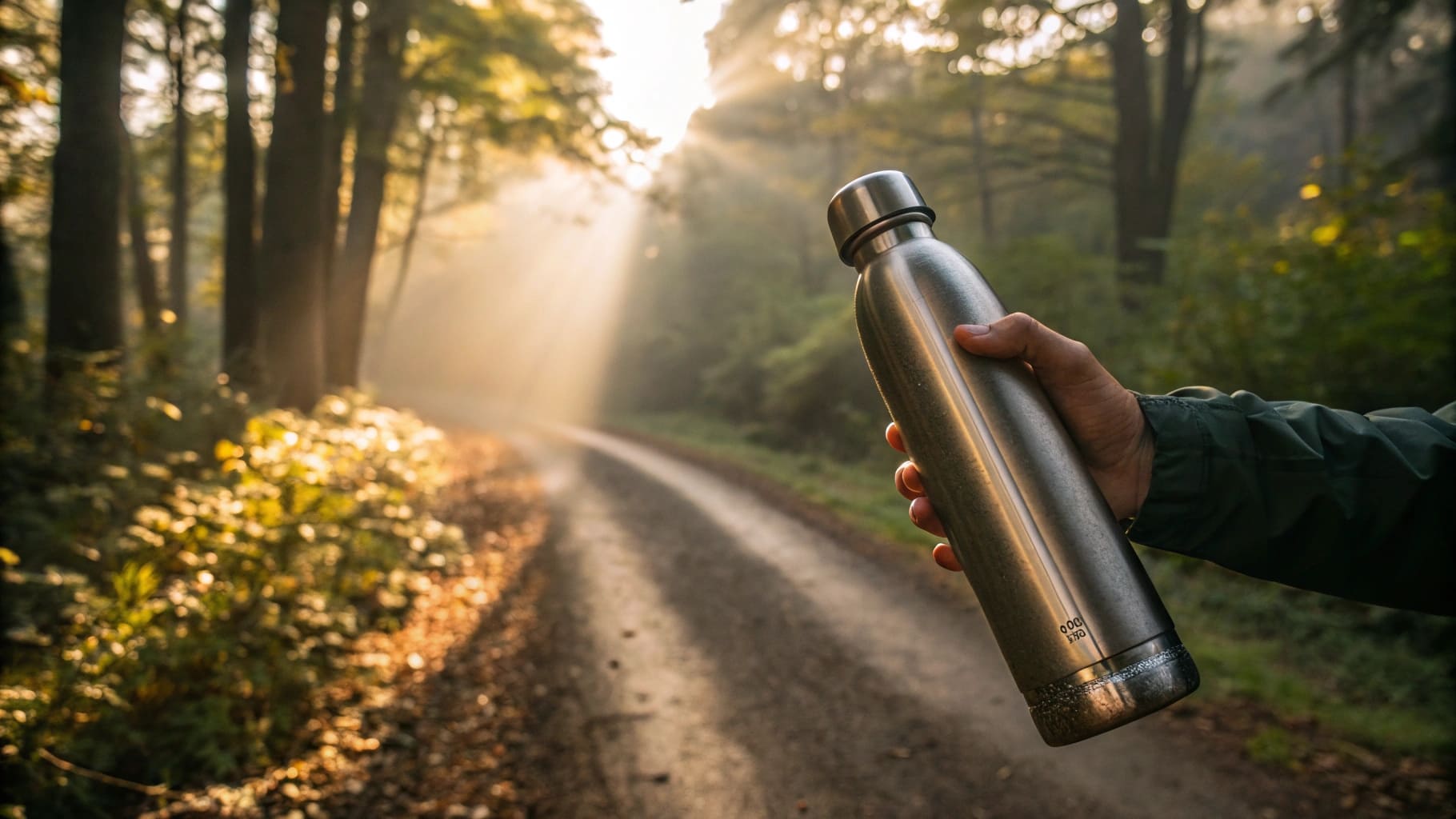
Now that we know which materials are generally safest, you might be wondering about other aspects. Let's explore this further. This will help you make the best choice for your business or personal use. We'll look into why BPA-free matters so much. We will also see how you can be sure about it.
Which reusable water bottles are safest?
Confused by bottle choices? Worried about safety? We guide you to the safest reusable materials, ensuring your drinkware choices are secure and healthy.
Food-grade stainless steel (SS304, SS316) and certified BPA-free plastics like Tritan make the safest reusable water bottles. Glass is another excellent choice. It offers purity, though it's more fragile than other options.
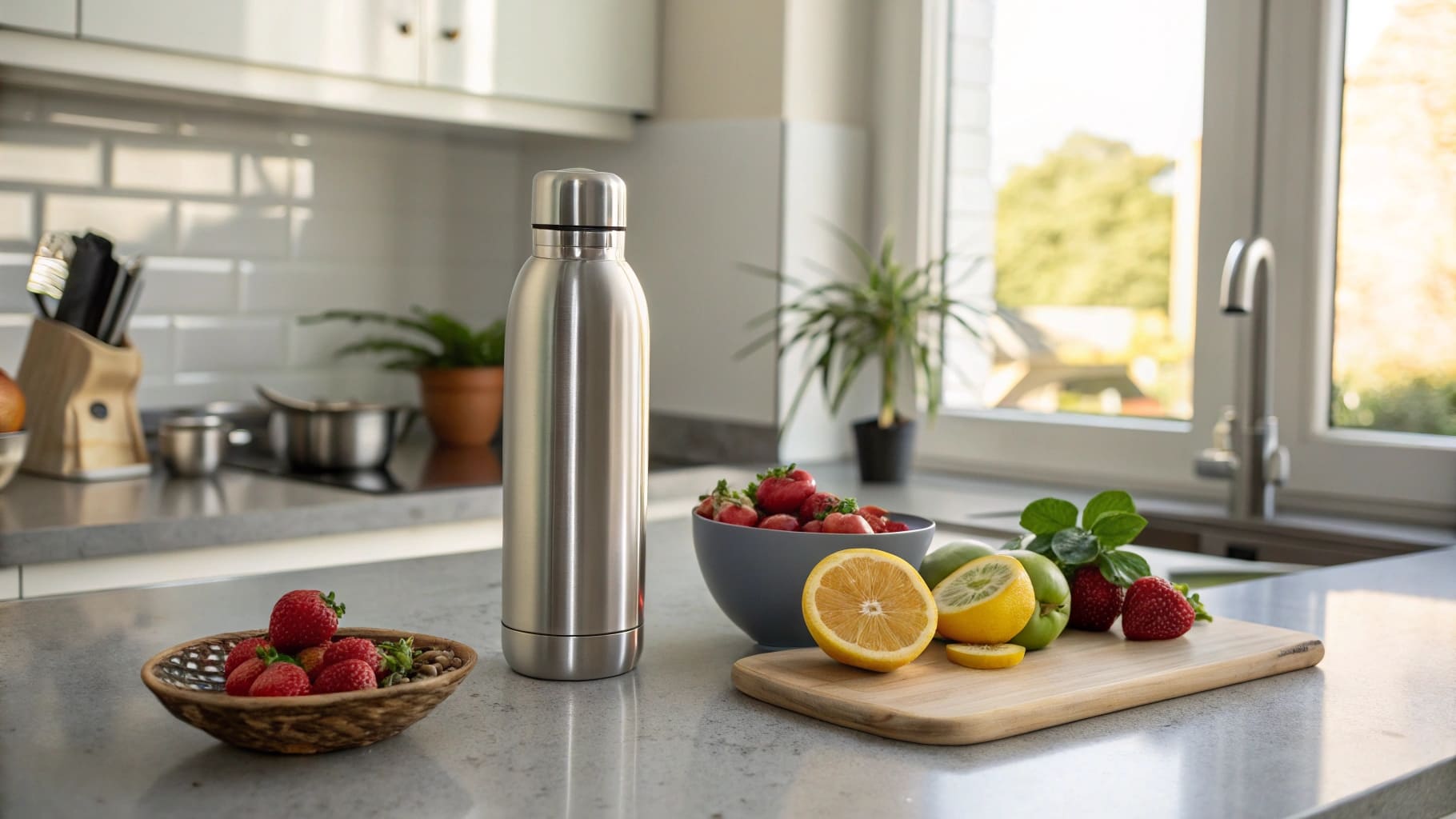
When we talk about the safest reusable water bottles, the material is the most important thing. At Icobottle, we focus on materials that offer safety and durability. This is important for our clients, like Mark, who procure products for their businesses. Let's break down the top choices.
Understanding Safe Materials
The main concern for safety is that no harmful chemicals go from the bottle into your drink. So, material selection is very important.
Stainless Steel: The Gold Standard?
Many people think stainless steel is an excellent choice for water bottles. It naturally does not contain BPA. So, it does not need a plastic liner that might contain BPA.
At Icobottle, we mainly use two types of stainless steel:
- SS304 (Food-Grade): This type is very common in the drinkware industry. It has good resistance to rust. It is also strong and lasts a long time. We use SS304 for both the inner and outer walls of our bottles. It is a reliable choice for everyday drinkware that many of my customers appreciate.
- SS316 (Medical-Grade): This type offers even better protection. It resists rust, acids, and alkalis more effectively than SS304. For businesses looking for top quality, like Mark might prefer for his Canadian market, SS316 is a superior option. It often costs a bit more, but the added safety and durability can be worth it. I've seen clients choose this for premium product lines.
Here's a simple comparison I often share with clients:
| Feature | SS304 (Food-Grade) | SS316 (Medical-Grade) |
|---|---|---|
| Contains BPA? | No (naturally BPA-free) | No (naturally BPA-free) |
| Rust Resistance | Good | Excellent |
| Acid/Alkali Resistance | Standard | Better |
| Common Use | General drinkware | Premium/Medical uses |
| Cost | More economical | Higher |
BPA-Free Plastics: Tritan's Role
Stainless steel is great. But some products, like children's bottles or when you need to see the liquid inside, use plastics. Tritan is a very good choice here. It is a tough plastic that is free from BPA. It meets various American and European safety standards. We often recommend Tritan for parts of bottles, or for full Tritan bottles when metal isn't the main need. Its clearness and strength against impacts are big pluses. I remember a client who needed lightweight bottles for a sports event; Tritan was the perfect solution.
Choosing between these materials depends on what you need. For someone like Mark, who cares a lot about quality, understanding these differences is important for his business.
Is a BPA-free water bottle safe?
See "BPA-free" but still skeptical? Misleading claims cause doubt. We clarify what "BPA-free" truly means for your bottle's safety and your peace of mind.
Yes, a BPA-free water bottle is considered safe from Bisphenol A. This chemical has raised health concerns. By choosing BPA-free, you avoid exposure to this specific compound, making your hydration safer.
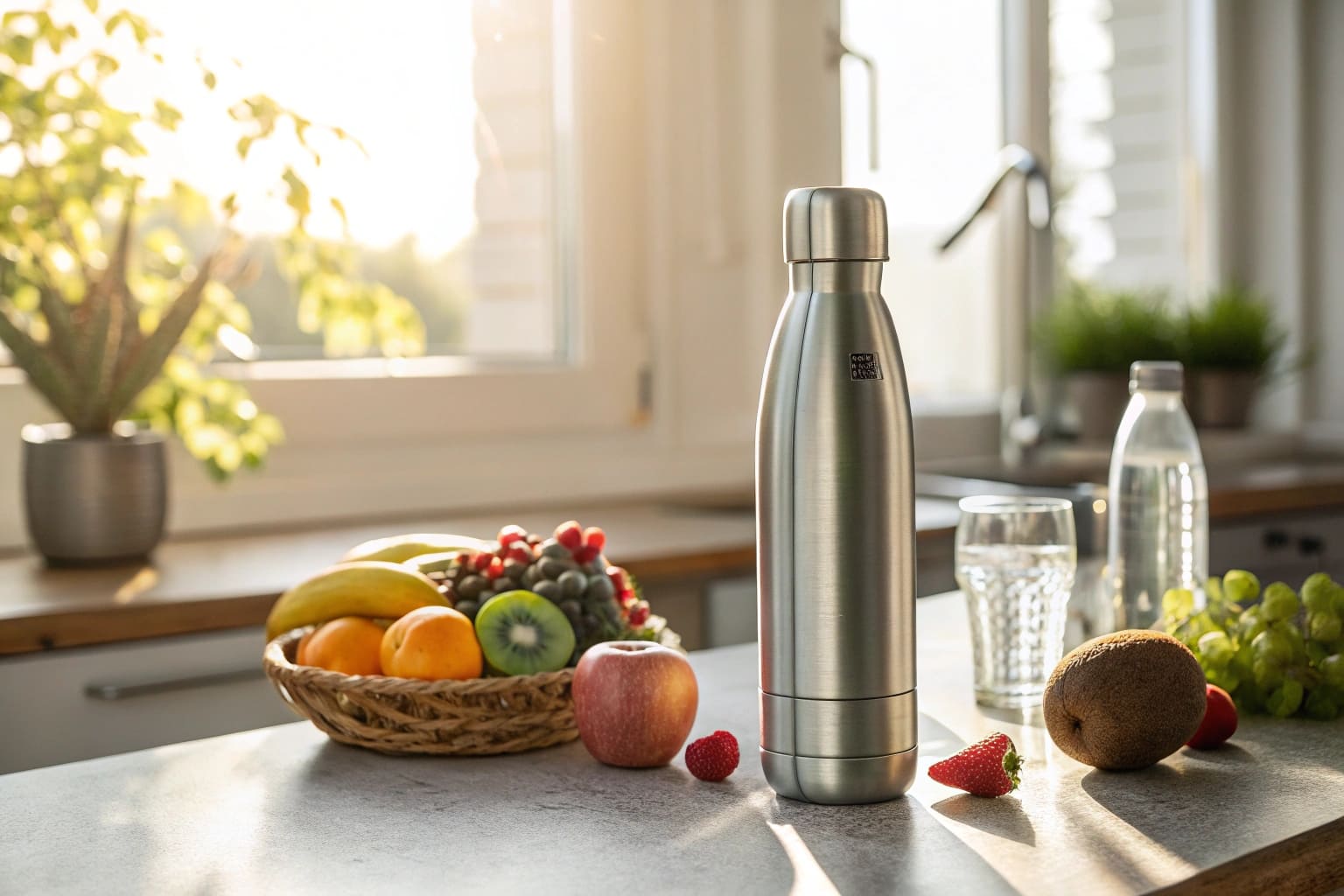
The term "BPA-free" directly talks about a specific chemical concern: Bisphenol A. Understanding this helps explain why these bottles are safer. As a procurement officer for his company in Canada, Mark, you would want to make sure the products you buy are truly safe.
What Does "BPA-Free" Really Mean for Safety?
When a bottle says "BPA-free," it means the maker states that Bisphenol A was not deliberately added or used to make it.
The Concern with Bisphenol A (BPA)
BPA is an industrial chemical. It has been used to make certain plastics and resins since the 1960s. It is found in polycarbonate plastics. These plastics are often used in containers that store food and drinks, like water bottles. It is also in epoxy resins. These resins are used to line the inside of metal products, like food cans and bottle tops.
Some studies show that BPA can get into food or drinks from containers made with BPA. Exposure to BPA is a worry because of possible health effects. These effects could be on the brain and prostate gland of fetuses, infants, and children. It might also change children's behavior. Other research suggests a possible link between BPA and higher blood pressure, type 2 diabetes, and heart disease.
Different countries have different rules about BPA. But the general idea is to use less BPA. This is especially true for things that touch food and drinks. I've seen this trend grow over my years in the industry.
How "BPA-Free" Makes Things Safer
A "BPA-free" bottle removes this specific risk. Makers who claim this are saying their products do not use BPA. This is a key sign of their care for safety. For example, at Icobottle, when we say our stainless steel bottles are BPA-free, it is because stainless steel naturally does not have BPA. For any plastic parts, we make sure they come from BPA-free materials.
This clear statement is important. It gives some comfort. But, as Mark knows from his experience with possible fake certificates, it is always good to check carefully. In my experience, working with suppliers who are open about their materials and testing is crucial.
How to check BPA free bottle?
Need to confirm a bottle is BPA-free? Labels can be tricky. We show you practical ways to check and ensure your bottle meets safety standards.
To check if a bottle is BPA-free, look for "BPA-free" labels on packaging. Examine the plastic resin identification code: numbers 1, 2, 4, 5, and 6 are generally safe. Also, request certifications.

Making sure a bottle is really BPA-free is very important. This is especially true for someone like Mark. He buys products from other countries and really cares about quality for his customers in Canada. Here are some useful steps you can take. As a manufacturer, we at Icobottle know how important it is to be clear about this.
Verifying a BPA-Free Claim
There are several ways to feel more sure about a bottle's BPA-free status.
1. Look for Clear Labeling
The easiest way is to check the product's package or the bottle itself.
- "BPA-Free" Sticker or Print: Most companies that make BPA-free products will show this clearly. Look for direct statements like "BPA-Free," "No BPA," or similar words. This is the first and most direct sign. I always tell my team to make our labeling very clear for our customers.
2. Check the Plastic Identification Code
If the bottle is plastic, or has plastic parts, look for the resin identification code. This is usually a number from 1 to 7 inside a triangle made of arrows. You can often find it on the bottom of the container.
- Codes Generally Thought to be BPA-Free:
- 1 (PETE or PET): Polyethylene Terephthalate – Common for single-use water bottles, but also some reusable ones. Usually BPA-free.
- 2 (HDPE): High-Density Polyethylene – Often used for milk jugs, detergent bottles. It is BPA-free.
- 4 (LDPE): Low-Density Polyethylene – Used for bottles you can squeeze. It is BPA-free.
- 5 (PP): Polypropylene – Common for food containers, yogurt cups. It is BPA-free. We often use this for bottle caps.
- 6 (PS): Polystyrene – Used for disposable cutlery, cups. Generally BPA-free, but it has other health worries. It is less common for reusable bottles.
- Codes to Be Careful With:
- 3 (PVC or V): Polyvinyl Chloride – Might contain BPA or phthalates. Not common for food/drink containers.
- 7 (OTHER): This group includes different plastics. It includes polycarbonate (which has BPA). It also includes newer plastics like Tritan (which is BPA-free). If you see a '7', you need to find out more. If it's polycarbonate, it probably has BPA. If it's Tritan, it is BPA-free. The maker should tell you.
Here's a quick guide I use:
| Code | Material | BPA Status |
|---|---|---|
| 1 | PETE/PET | Generally BPA-Free |
| 2 | HDPE | BPA-Free |
| 3 | PVC/V | May contain BPA; check with supplier |
| 4 | LDPE | BPA-Free |
| 5 | PP | BPA-Free |
| 6 | PS | Generally BPA-Free (other concerns may exist) |
| 7 | OTHER | PC contains BPA. Tritan is BPA-free. Ask maker. |
3. Ask for Certifications
Good manufacturers can give you certificates to prove their claims.
- FDA (U.S. Food and Drug Administration): FDA rules cover materials that touch food.
- LFGB (Lebensmittel-, Bedarfsgegenstände- und Futtermittelgesetzbuch): This is German food safety law. It is often seen as very strict in Europe.
For Mark, asking for these certificates is a smart step. It helps with his worry about fake certificates, especially if he also checks if these documents are real. He can do this by contacting the groups that give out these certificates or through sources he trusts. Good communication with suppliers, like us at Icobottle, can help make sure these papers are real. I've always found that being upfront about certifications builds trust, which is vital when dealing with issues like potential certificate fraud that Mark has faced.
Conclusion
For safe hydration, choose stainless steel or certified BPA-free plastics like Tritan. Verify claims with labels, codes, and certifications. This ensures true safety and peace of mind.