
Tired of smelly plastic bottles? Annoyed by lingering tastes from past drinks? Stainless steel offers a clean, fresh drinking experience for your daily hydration.
Stainless steel, especially high-quality 18/8 food-grade types, is naturally non-porous. This means its smooth surface resists bacteria buildup and doesn't trap residues, preventing odors and making it very easy to clean for a consistently fresh taste.
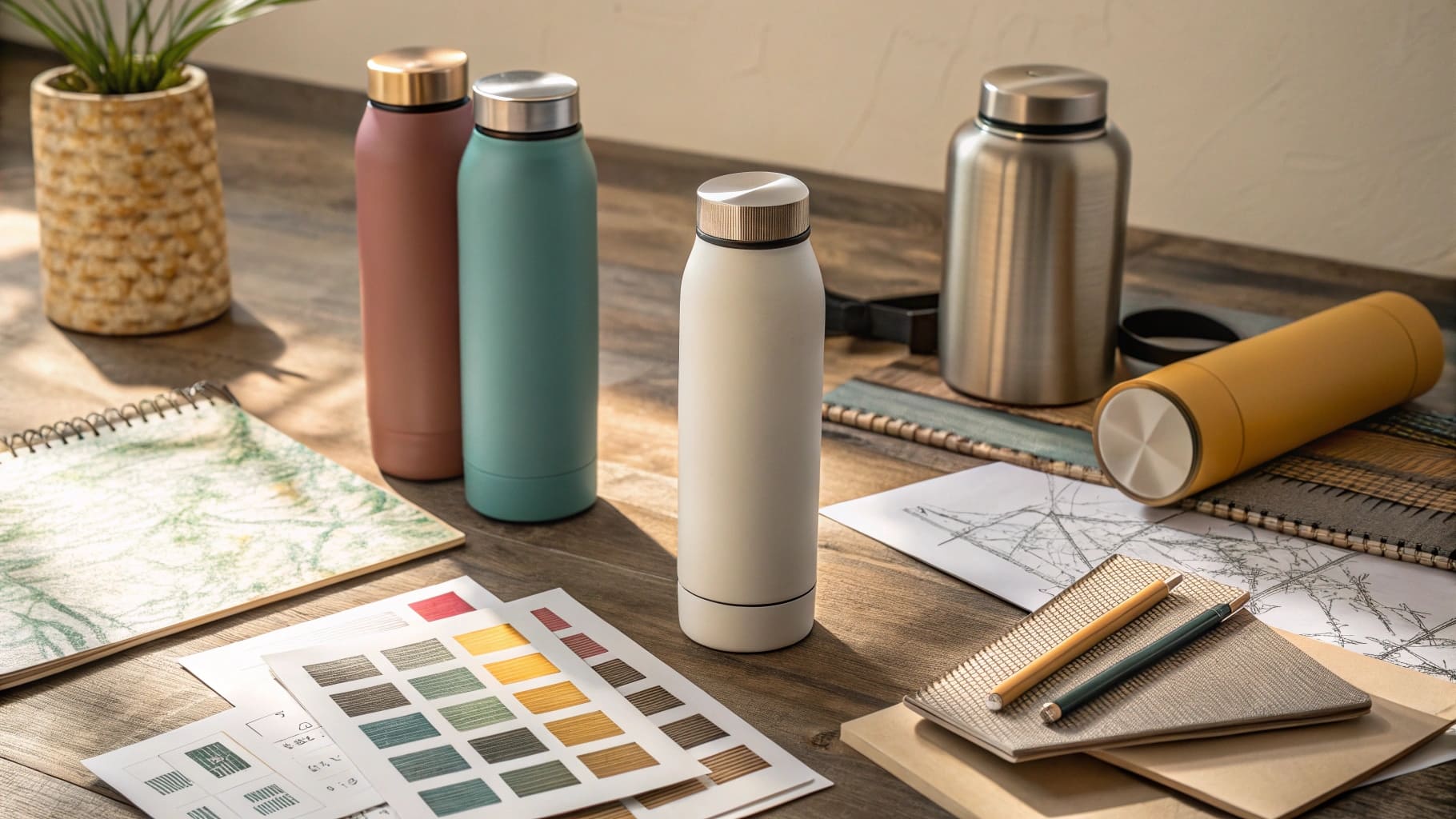
It's great to understand why stainless steel is such a fantastic choice for drinkware. I know from talking to clients that even with the best materials, questions can come up. Let's explore some common concerns people have about keeping their stainless steel bottles in top condition. We'll look at how to prevent those unwanted smells and ensure your water always tastes pure.
How do you keep a stainless steel water bottle from smelling?
Ever reach for your bottle expecting refreshing water, but instead, you get a strange or musty smell? It’s a common frustration. But the good news is, you can easily keep your stainless steel bottle smelling perfectly fresh.
To prevent any unpleasant smells, the most important thing is to clean your stainless steel bottle regularly using warm, soapy water. Using a bottle brush will help you reach all the inside surfaces. For more stubborn odors, a mixture of baking soda and water, or vinegar and water, can work wonders.
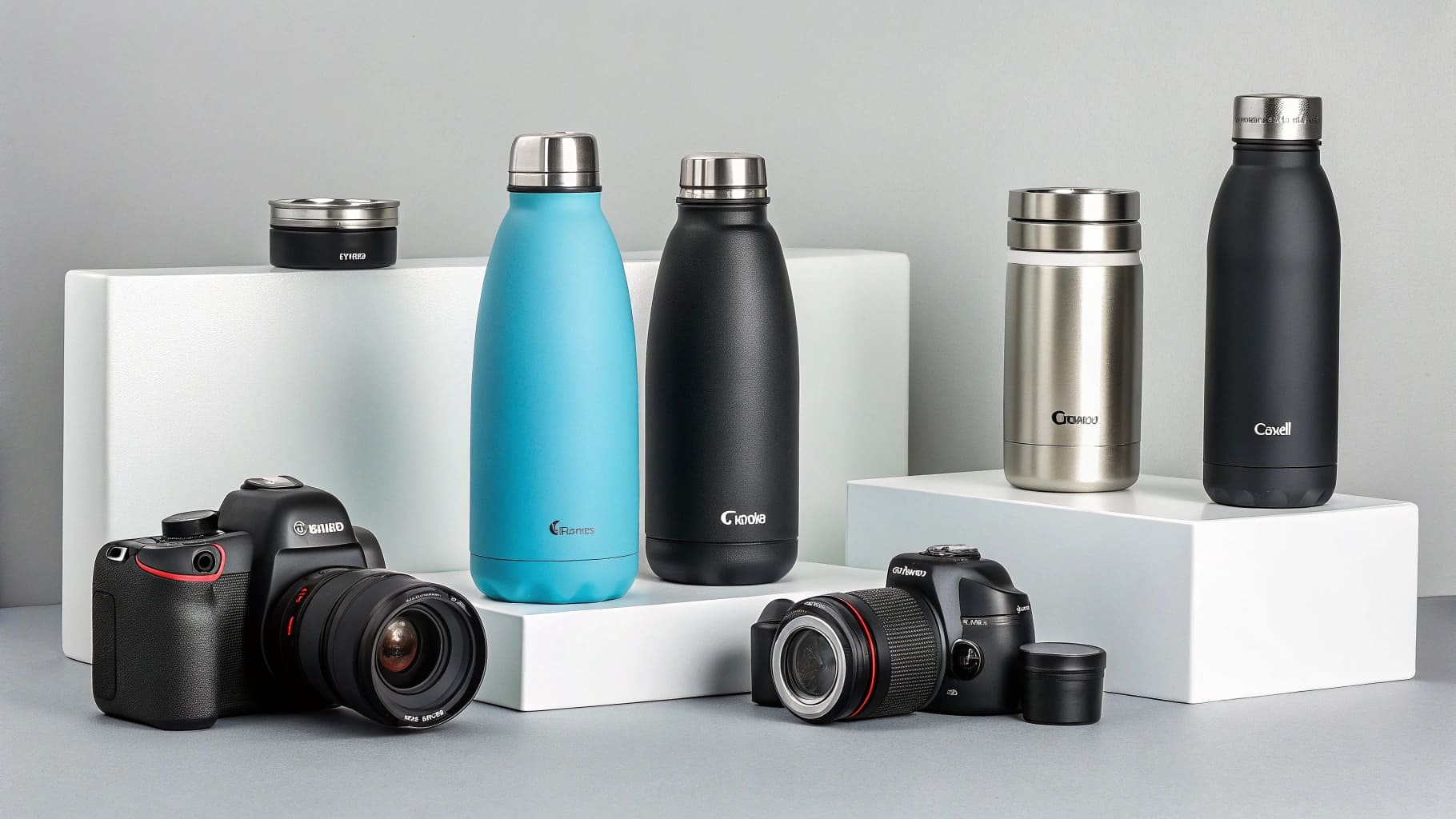
Regular cleaning is truly the key. I always emphasize this to my clients, like Mark Shenng from Canada. Mark runs a business that rebrands and sells stainless steel water bottles, so the quality and pristine condition of the bottles are very important for his customers. He understands that a little daily care goes a long way.
Why Regular Cleaning Matters
Even though stainless steel is excellent at resisting odors, any leftover bits from your coffee, tea, juice, or smoothie can still cause issues if they aren't washed out promptly. Think about it – these tiny residues can become food for bacteria. It's usually the bacteria, not the steel itself, that causes those unwanted smells. As a B2B supplier at Icobottle, we ensure our bottles are made from top-quality 18/8 stainless steel, which helps, but user care is still vital.
Simple Cleaning Steps
For everyday cleaning, here’s what I recommend and practice myself:
- Rinse Immediately: If you can, give your bottle a quick rinse right after you finish your drink. This simple step prevents anything from drying onto the inner surface.
- Warm Soapy Water: Use warm water and a small amount of mild dish soap. Harsh chemicals aren't usually necessary.
- Bottle Brush Action: A good bottle brush is an essential tool. It allows you to scrub all the way to the bottom and around the sides, ensuring no spot is missed. Don’t forget to clean the threads where the cap screws on, and the cap itself, especially if it has complex parts or seals.
- Rinse Thoroughly: Make sure all soap residue is completely rinsed away. Lingering soap can affect the taste of your water.
- Air Dry Completely: Let the bottle air dry thoroughly, preferably upside down with the lid off. This prevents any moisture from getting trapped inside, which could encourage mildew.
Tackling Stubborn Smells
Sometimes, especially if I’ve accidentally left my protein shake in my bottle for too long (it happens to the best of us!), a simple wash isn't quite enough. For those really persistent smells, these methods are very effective:
| Cleaning Agent | Method | Why it Works |
|---|---|---|
| Baking Soda | Add 1-2 teaspoons of baking soda into the bottle, then fill it with warm water. Let it sit for a few hours, or even overnight. Then, scrub with a bottle brush and rinse very well. | Baking soda is alkaline and fantastic at neutralizing acidic odors and absorbing them. |
| White Vinegar | Fill the bottle about one-fifth full with white vinegar, then top it up with warm water. Let this solution sit for a few hours or overnight. Rinse extremely thoroughly afterward. | Vinegar is acidic; it effectively kills bacteria, mold, and neutralizes many odors. |
Always remember to rinse very, very well after using vinegar, as you don’t want any vinegary taste lingering in your next drink. These tips should help keep any stainless steel bottle, whether it’s a water bottle, coffee mug, or tumbler, fresh and ready for use.
How does stainless steel remove odors?
Have you heard people say that stainless steel can magically get rid of odors? It sounds a bit like a superpower! While it's not exactly magic, the way stainless steel handles odors is pretty smart, and it’s more about prevention.
Stainless steel doesn't actively "remove" or absorb odors from its surroundings. Instead, its incredibly smooth, non-porous surface is the hero. This surface prevents the steel from absorbing smells in the first place, which keeps your bottle and your drinks tasting fresh and odor-free.
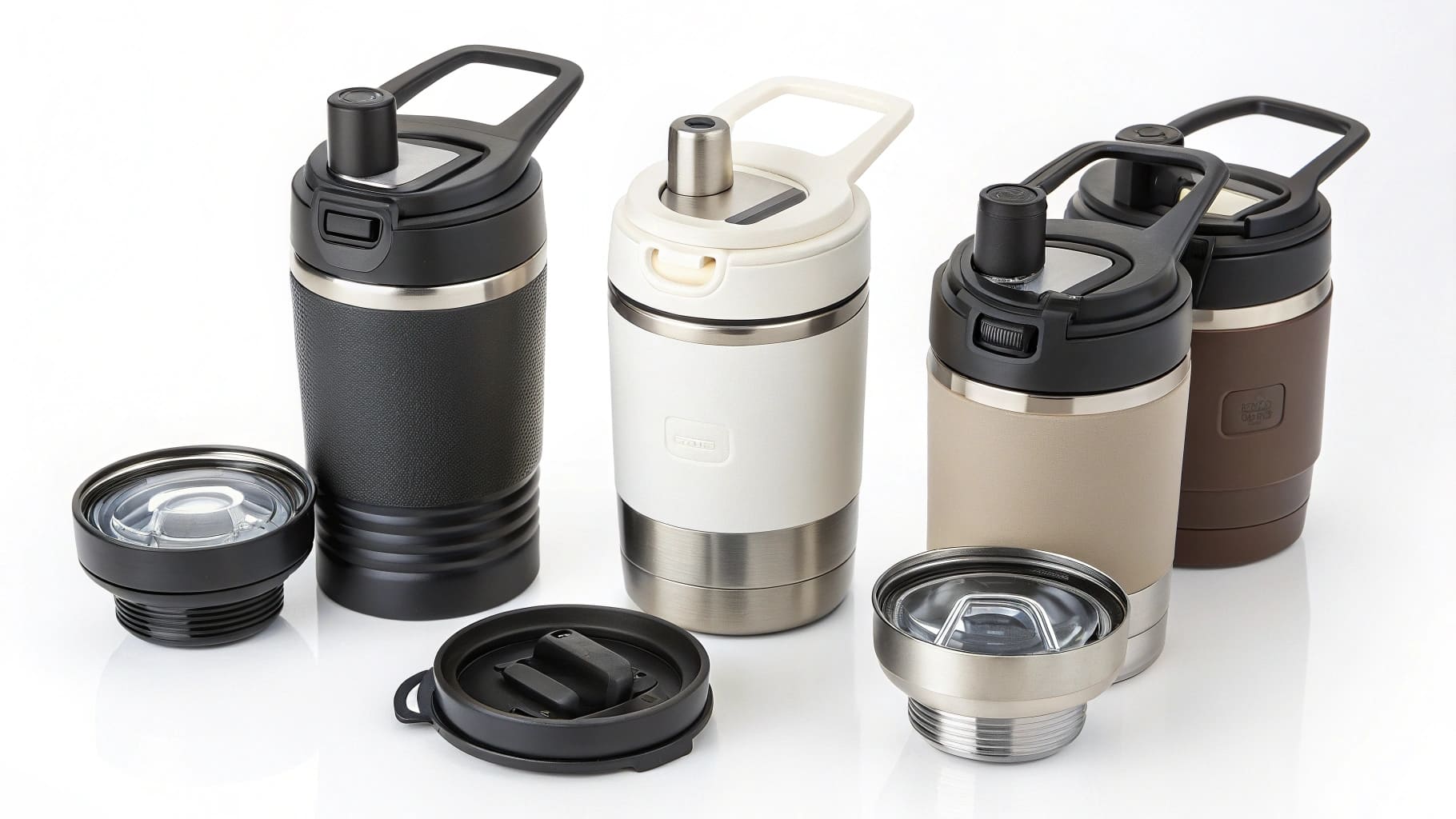
It’s a common misunderstanding that the metal itself somehow 'sucks up' or actively 'eliminates' odors as an air freshener might. That's not quite how it works with your stainless steel bottle. The real strength of stainless steel, especially the high-quality food-grade 18/8 (also known as Type 304) that we insist on using for all Icobottle products – from hip flasks to large tumblers – lies in its amazing surface properties. This is a critical detail for businesses like Mark's in Canada, who purchase our bottles wholesale and distribute them; they need to trust the inherent qualities of the material we provide.
The Power of a Non-Porous Surface
Let me explain it with an analogy. Imagine a surface like a very rough, porous stone. If you spilled something on it, the liquid would soak in and be very difficult to clean out completely, right? Some plastics can be a bit like that on a microscopic level. They have tiny pores where liquids and the particles that cause odors can get trapped and build up over time.
Stainless steel, on the complete other hand, is incredibly smooth and non-porous at a microscopic level. This characteristic provides two main benefits:
- No Absorption: Because there are no tiny holes or crevices, smelly particles from your drinks (like the strong aromas from coffee or the distinct scent of fruit juice) simply can't hide or soak into the metal. They stay on the surface.
- Easy Cleaning: Since nothing gets absorbed into the material, when you wash your stainless steel bottle, any residues and the odor-causing bacteria they might feed just slide off the surface with the water and soap. This makes cleaning much more effective than with porous materials.
What About "Stainless Steel Soap"?
You might have seen or heard about those special 'stainless steel soap bars.' Chefs often use them to remove strong smells like garlic, onion, or fish from their hands after food preparation. These bars work on a related scientific principle, not absorption. The steel itself doesn't absorb the odor. Instead, it’s believed that certain metallic elements in the stainless steel bind with the sulfur-containing molecules (which are responsible for those strong food smells). When you rub the steel bar on your hands under running water, these odor-causing molecules are thought to transfer from your skin to the surface of the steel and then get washed away with the water. So, the steel facilitates the release of these compounds from your skin, rather than absorbing them into itself. In the context of a stainless steel bottle, this inherent property means the material doesn't hold onto these smells in the first place, keeping your drinks pure.
Why does my stainless steel water bottle make my water taste bad?
Expecting a sip of pure, refreshing water, but instead, you get an unpleasant metallic or off-taste? That’s definitely disappointing. Several reasons could be behind this, but if you have a good quality bottle, the steel itself shouldn't be one.
If your stainless steel bottle is making your water taste bad, it could be due to a few factors. These include the use of lower-quality steel in its manufacture, residues left from the production process, improper or infrequent cleaning, or even contaminants from the lid or your water source.
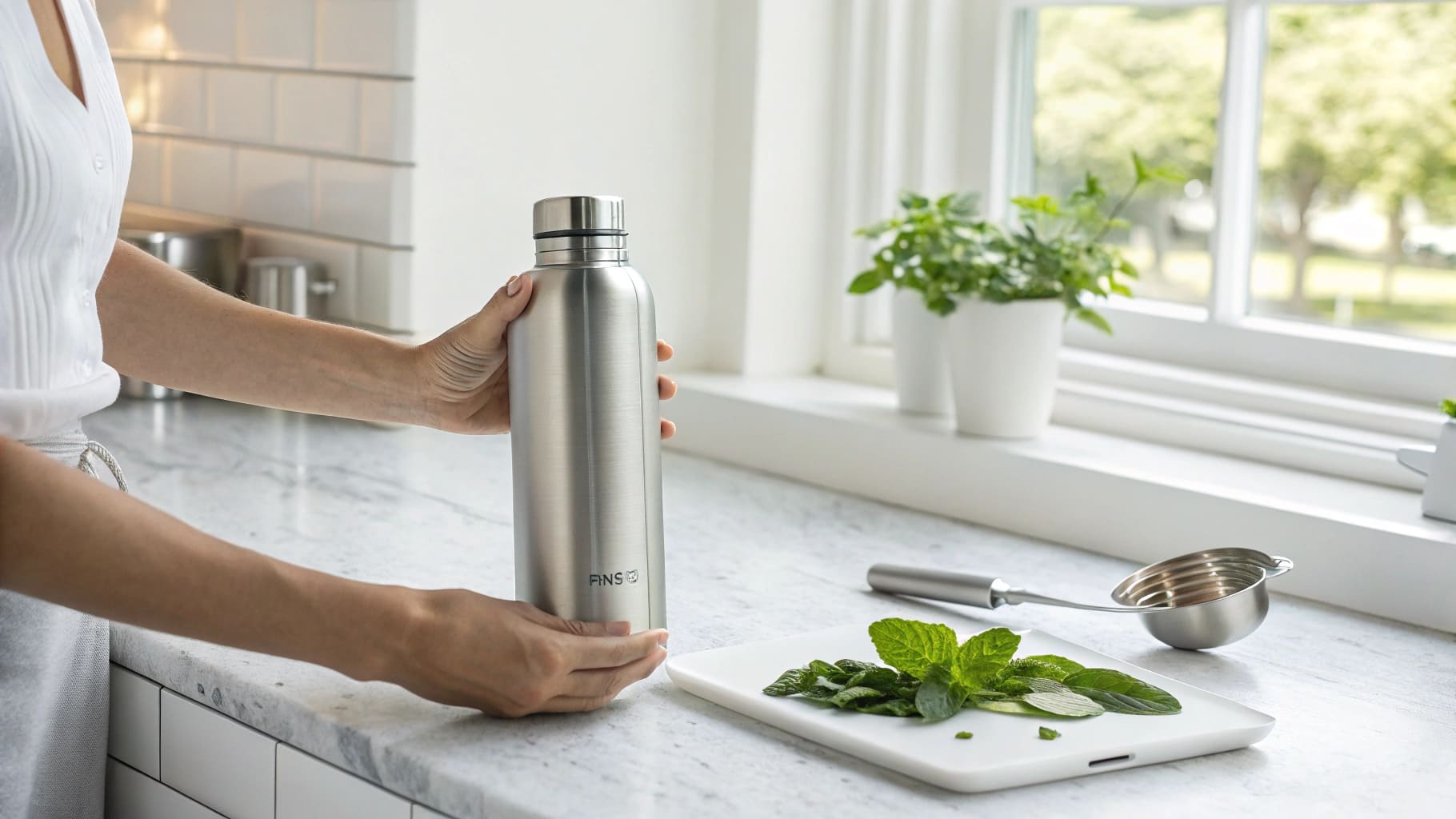
This is a really important question, and one I take seriously. If you’re tasting metal or anything other than pure water, something isn't right. I’ve had detailed discussions about this with many procurement officers, including clients like Mark Shenng who sources stainless steel products from us in China for his market in Canada. He, like any reputable distributor, is very careful about this because the taste of the water directly reflects on the perceived quality of the products they sell. If your water tastes bad from a stainless steel bottle, let's look at the likely reasons:
Potential Culprits for Bad Taste
Here’s a breakdown of the most common issues I've encountered:
- Lower Quality Steel: This is often a primary factor. It's crucial to understand that not all stainless steel is created equal. For drinkware that comes into contact with food and beverages, you absolutely want food-grade 18/8 stainless steel (this is also known as Type 304 stainless steel). This specific alloy is chosen for its excellent corrosion resistance and, very importantly, because it doesn’t leach chemicals or metallic tastes into its contents. Cheaper, lower-grade stainless steel might contain different metal compositions or higher levels of impurities that can react with water (especially if the water is slightly acidic or alkaline) and impart that unwanted metallic taste. At Icobottle, we exclusively use premium 18/8 stainless steel for all our products, whether it's a water bottle, coffee mug, tumbler, or hip flask. This ensures that this particular cause of bad taste isn't an issue for our wholesale clients in America, Europe, and beyond who often customize these items with their logos and colors.
- Manufacturing Residues: Sometimes, a brand new bottle might have minute traces of oils, lubricants, or polishing compounds left over from the complex manufacturing and finishing processes. These substances can cause an initial off-taste when the bottle is first used. That's why I always strongly recommend – and it's a standard instruction – to give any new bottle a very thorough wash with warm, soapy water before its first use. A good scrub usually takes care of any such residues.
- Improper or Infrequent Cleaning: If you don't clean your bottle regularly and properly, tiny leftover particles from previous drinks (like coffee, tea, juice, or protein shakes) can get trapped inside. Over time, these residues can start to break down, potentially fostering bacterial growth, and create unpleasant tastes or odors that then affect the taste of your fresh water. Make sure to diligently clean the lid and any seals or gaskets thoroughly too, as these components can also trap residues and harbor smells.
- External Factors:
- Lid Material: Don't forget to check the lid. If it’s made of plastic or has a silicone seal (which many do for a watertight closure), these parts can sometimes absorb and then later release odors or tastes, especially if they aren’t made of high-quality, food-safe materials or if they aren’t cleaned as well as the bottle body.
- Water Source Itself: Occasionally, the metallic or off-taste might not be coming from the bottle at all, but from your tap water. Some municipal water supplies can have a higher mineral content (like iron) or a slight chlorine taste that becomes more noticeable in a neutral container. Try filling your bottle with filtered water or a trusted brand of bottled water to see if the taste disappears. This simple test can help you isolate whether the bottle or the water is the source of the problem.
- Leaving Water for Too Long: While high-quality stainless steel is very stable, it's generally not ideal to leave water standing in any unsealed or even sealed container for very extended periods (many days or weeks at room temperature). While unlikely with good steel, extremely slow interactions or the growth of microorganisms (if the bottle wasn't perfectly clean to begin with) could theoretically occur over very long times.
Most quality stainless steel bottles from reputable manufacturers like Icobottle are also certified BPA-free. This is crucial not just for health reasons (avoiding potential hormone disruptors) but also because it ensures no harmful chemicals are leaching from any plastic components into your drink, further contributing to a cleaner, purer tasting hydration experience.
Conclusion
Stainless steel bottles excel at being easy-to-clean and odor-free, mainly thanks to their non-porous surface. With proper, regular care, your bottle will consistently deliver a fresh, pure taste.