
Struggling with bottle choices for your brand? Plastic is cheap, but stainless steel offers more. Which one truly benefits your business and your customers in the long run?
For B2B buyers, like importers and brand owners, "best for you" really means "best for your brand and your target customer." Stainless steel bottles often mean higher perceived value, better alignment with sustainability, and opportunities for premium pricing strategies. It’s about your brand's market position.
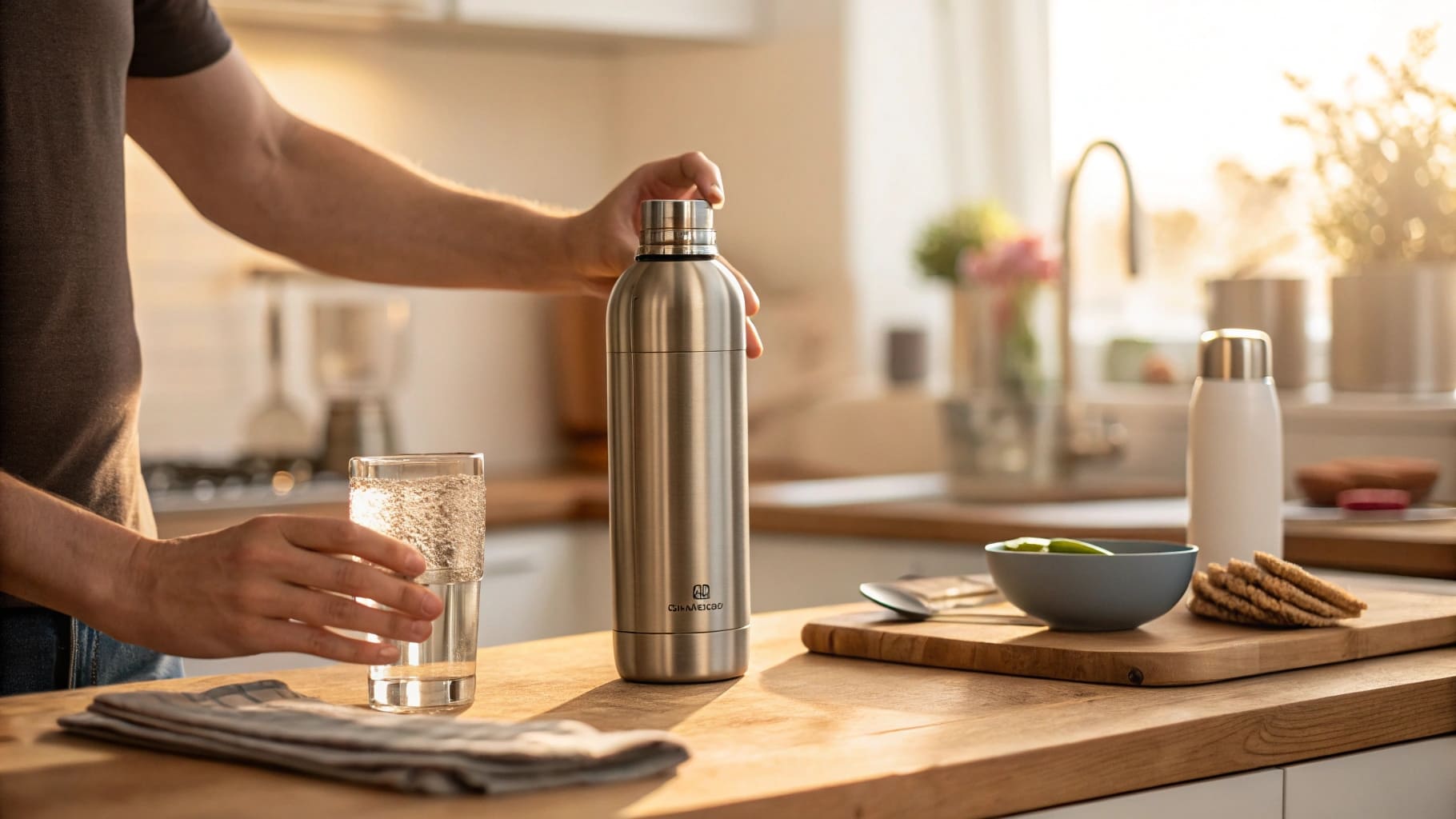
Choosing the right water bottle material is a big decision for your brand. This choice affects your costs and your customers' health. It also changes how people see your company. As a long-time supplier in this industry, I've seen many businesses weigh these options. We at Icobottle always advise looking at the bigger picture. Let's look closer at stainless steel and plastic. This will help you make the best choice for your business. It is important to dig into the details before you decide.
Can bacteria grow in stainless steel water bottles?
Worried about hygiene for the products you sell? Bacteria can be a concern with any bottle. So, how does stainless steel really stack up against these tiny invaders?
Yes, bacteria can grow in any water bottle if it's not cleaned properly. However, food-grade stainless steel has a non-porous surface. This surface is much more resistant to bacteria sticking and growing compared to plastic, which can get scratches that hide germs.
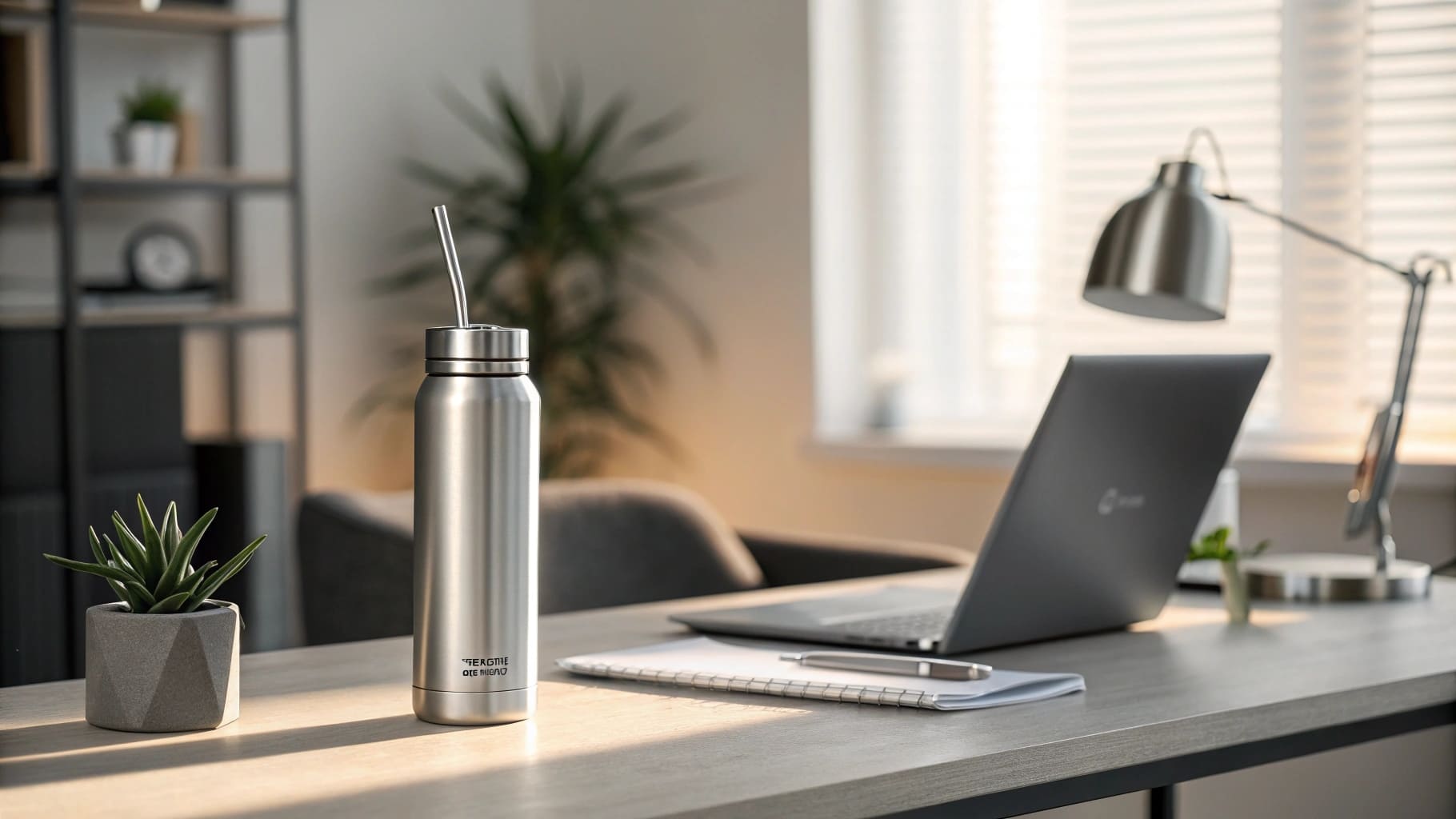
When I talk to clients, like Mark from Canada who sources stainless steel water bottles for his brand, hygiene is always a key topic. He needs to assure his customers of product safety. So, understanding how materials interact with bacteria is very important for his business and for yours.
The Science of Stainless Steel Surfaces
Food-grade stainless steel, usually types 304 or 316, is what we use at Icobottle. This material has a very smooth, non-porous surface. "Non-porous" means there are no tiny holes or cracks where bacteria can easily hide and multiply. Think of it like a very polished countertop versus a rough wooden board. Plastic, on the other hand, especially after some use, can develop tiny scratches. These scratches, even if you can't see them, can become breeding grounds for bacteria. So, inherently, stainless steel offers a less welcoming environment for germs. This is a significant advantage when you're considering the quality and safety of the products you offer to your customers. It means a cleaner product experience with less effort.
Why Cleaning Still Matters
Even with stainless steel's advantages, no water bottle is completely self-cleaning. Bacteria can still find a way if bottles aren't cared for. Lids, spouts, and any complex parts are common areas where buildup can occur if not washed regularly. We always tell our clients to provide clear cleaning instructions to their end-users. For instance, using a bottle brush and warm soapy water daily is a good practice. For my own stainless steel coffee mug, I make sure to wash it thoroughly at the end of each day. This prevents any residue from building up. Forgetting to clean can lead to biofilm, a slimy layer of bacteria, which nobody wants.
B2B Advantage: Marketing Hygiene and Quality
From a B2B perspective, this information is gold. You can emphasize the hygienic benefits of stainless steel's smooth, non-porous surface in your marketing materials. This is a strong selling point. It directly addresses a common consumer concern. By providing clear cleaning instructions with your products, you help minimize potential issues. This leads to fewer customer complaints and builds stronger trust in your brand. We've also found that designing bottles with wider mouths makes them easier to clean. This can be another feature you highlight. It’s all about showing your customers you prioritize their health and convenience, reinforcing the premium quality of your stainless steel bottles.
Why do people prefer plastic water bottles?
Plastic water bottles are everywhere, aren't they? They are often light and cheap. But what really makes so many end-consumers choose plastic over other options that might be better in the long run?
People often choose plastic bottles because they have a low upfront cost. They are also very lightweight. These are practical reasons, especially for someone who wants convenience on the go or is on a tight budget.
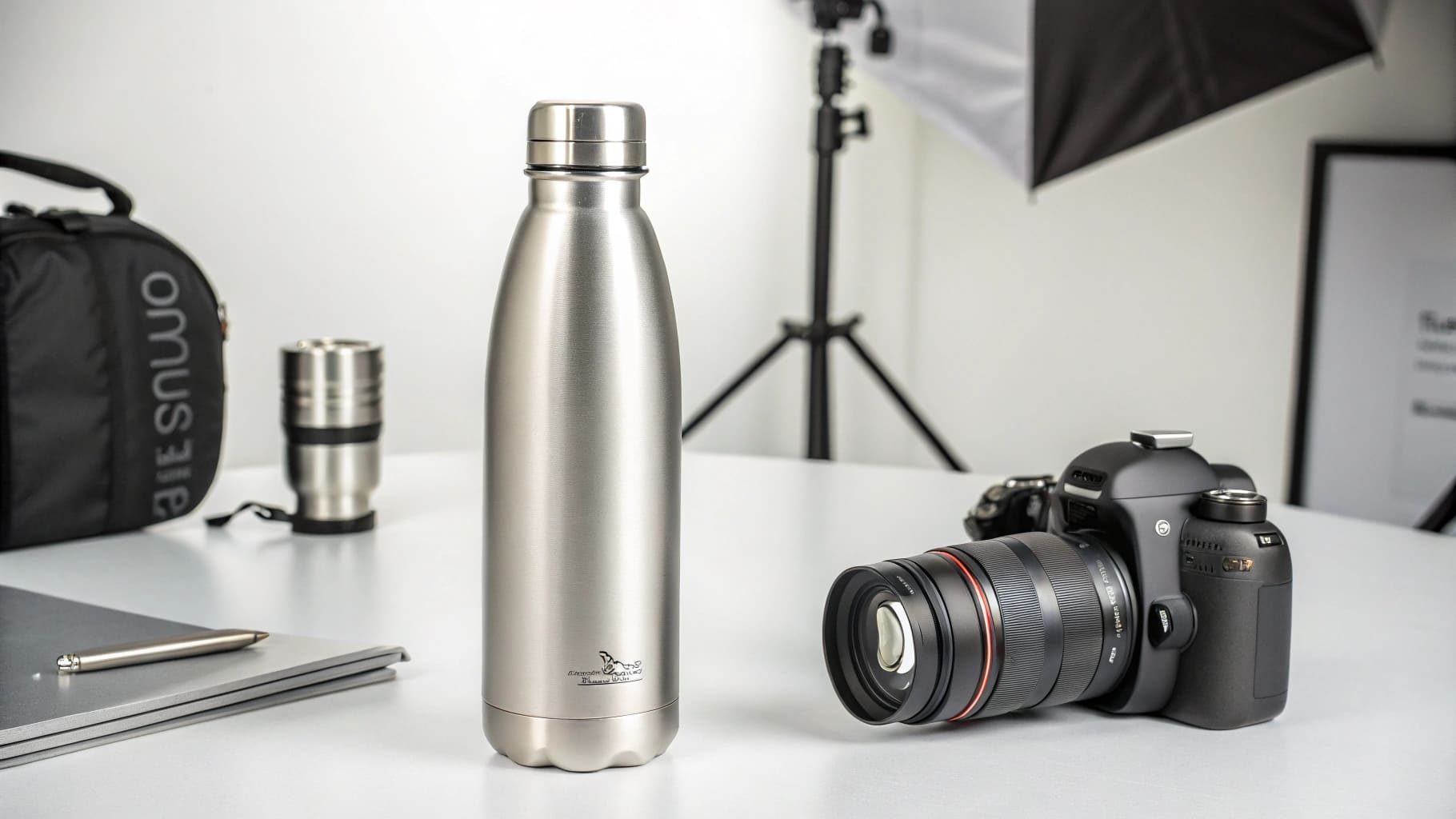
As a supplier focused on stainless steel, I've spent a lot of time understanding why some customers still reach for plastic. It's important for B2B buyers like you to know this too. If you understand the "why" behind plastic's popularity, you can better position your premium stainless steel offerings.
The Allure of Low Cost
Let's be honest, the initial price tag of a plastic water bottle is often much lower than a stainless steel one. For many consumers, especially for an impulse buy or a temporary need, this low cost is very attractive. If someone is just looking for a basic bottle for an event, or if they lose bottles frequently, they might not want to invest much. This price sensitivity is a major factor. We see this particularly in certain market segments where budget is the primary driver. This doesn't mean it's better value, but the immediate saving is tempting.
Lightweight and "Convenient"?
Plastic bottles are undeniably lighter than stainless steel. For activities like hiking, long commutes, or for kids to carry to school, this reduced weight can seem like a big plus. The "convenience" factor also comes from them being readily available almost anywhere. However, this convenience often comes at a cost to durability. I've lost count of how many cracked or broken plastic bottles I've seen. While stainless steel is heavier, it's also far more robust and can last for years, which is a different kind of convenience – the convenience of not having to replace it.
The B2B Counter-Strategy for Stainless Steel
So, knowing that people choose plastic for cost and weight, how do you, as a business, sell stainless steel? You focus on the value proposition. This is what I advise my clients, like Mark. He knows his customers are smart. They understand that a slightly higher initial investment in a stainless steel bottle brings long-term benefits.
We highlight:
- Durability: Stainless steel doesn't crack or break easily. It withstands drops and daily wear.
- Temperature Retention: Hot drinks stay hot, cold drinks stay cold for hours. Plastic can't do that.
- Health Safety: No harmful chemicals like BPA leaching into the water.
- Eco-Friendliness: Reusable stainless steel reduces plastic waste, appealing to environmentally conscious consumers.
- Premium Feel: Stainless steel just looks and feels more high-quality, enhancing brand perception.
Your strategy should be to target customer segments that value these benefits. It's about offering a superior product that delivers long-term satisfaction, not just an initial low price. This positions your brand as one that cares about quality, health, and sustainability.
Does stainless steel have BPA in it?
Health concerns about plastics are growing every day. BPA is a big one on that list. So, when you choose stainless steel for your product line, are you truly offering a BPA-free option?
No, food-grade stainless steel, like the 304 or 18/8 types we commonly use for water bottles and mugs at Icobottle, does not contain BPA. This makes it a genuinely safer choice compared to some plastic alternatives that might contain this chemical.

This BPA question is something I get asked frequently, especially by procurement officers like Mark, who are very focused on product safety and certifications for their markets in Canada. The good news is that with stainless steel, the answer is straightforward and very positive for your business.
What is BPA and Why is it a Concern?
First, let's quickly cover what BPA is. BPA stands for Bisphenol A. It's an industrial chemical that has been used to make certain plastics and resins since the 1960s. You find it in polycarbonate plastics (often used for food and beverage containers) and epoxy resins (which can be used to coat the inside of some metal food cans). The concern with BPA is that it can leach from these containers into food and drinks. Scientific studies have suggested potential health effects linked to BPA exposure, including impacts on the brain, behavior, and prostate gland of fetuses, infants, and children. It's also been linked to hormone disruption. This is why many consumers actively look for "BPA-Free" labels.
Stainless Steel: Naturally BPA-Free
Here’s the key takeaway for your business: food-grade stainless steel is inherently BPA-free. It’s not something that needs to be removed or specially treated to avoid BPA – the material itself simply doesn't contain it. This is a fundamental difference from some plastics. When you choose stainless steel for your water bottles, you are choosing a material that doesn't carry the risk of BPA leaching. This is a huge plus. As I always tell my clients, you can confidently state that your stainless steel products are BPA-free.
Leveraging "BPA-Free" for Your Brand
This "BPA-Free" status is a powerful selling point for your B2B clients and their end-customers. In today's health-conscious market, consumers are actively seeking safer alternatives to plastic.
Here’s how you can use this:
- Clear Marketing: Prominently display "BPA-Free" on your product packaging, website, and marketing materials.
- Build Trust: It’s a direct response to a significant consumer health concern. This assurance builds immediate trust and credibility for your brand.
- Market Advantage: It gives you a clear, marketable advantage over plastic alternatives that may contain BPA or about which consumers are uncertain.
- Align with Wellness: It positions your products and your brand as being aligned with health, safety, and wellness trends.
Here's a simple way to look at it:
| Feature | Some Plastics | Food-Grade Stainless Steel |
|---|---|---|
| BPA Content | May contain BPA | Inherently BPA-Free |
| Chemical Leaching | Potential risk with heat/age | Very low / None |
| Consumer Focus | Growing concern over safety | Preferred for health |
By emphasizing this, you are providing a valuable assurance to your customers, which can significantly influence their purchasing decisions and enhance your brand's reputation.
Conclusion
Stainless steel offers your brand durability, safety, and a premium appeal. It is a smart choice for businesses targeting quality-conscious customers and seeking long-term value.