
30oz tumblers in 2026: colorways, lids, and channel SKU planning by region
I watched a procurement officer lose a $50,000 order last month because his 30oz tumbler dimensions1 did not fit European car cup holders. This shows how critical SKU planning becomes when regional preferences diverge. One wrong dimension choice costs you the entire market.
The 30oz tumbler sits between 20oz portability and 40oz hydration capacity. For 2026, buyers need region-specific colorways, modular lid systems2, and dimension verification to avoid inventory dead stock. Your SKU matrix must balance North American bulk preferences with European minimalist aesthetics.
I have seen too many buyers order 30oz tumblers without checking actual use contexts. They assume one size fits all markets. Then they face returns because the product does not match customer expectations. Let me break down what you actually need to know before placing orders for 2026.
What Are the Dimensions of a 30oz Skinny Tumbler?
I receive dimension inquiries daily from buyers who already ordered products. They discover sizing issues only when complaints arrive. This reactive approach destroys profit margins and damages brand reputation.
Standard 30oz skinny tumblers measure approximately 3.5 inches in diameter and 8 to 9 inches in height. These dimensions fit most car cup holders while providing sufficient capacity for daily use. The skinny profile balances portability with volume.
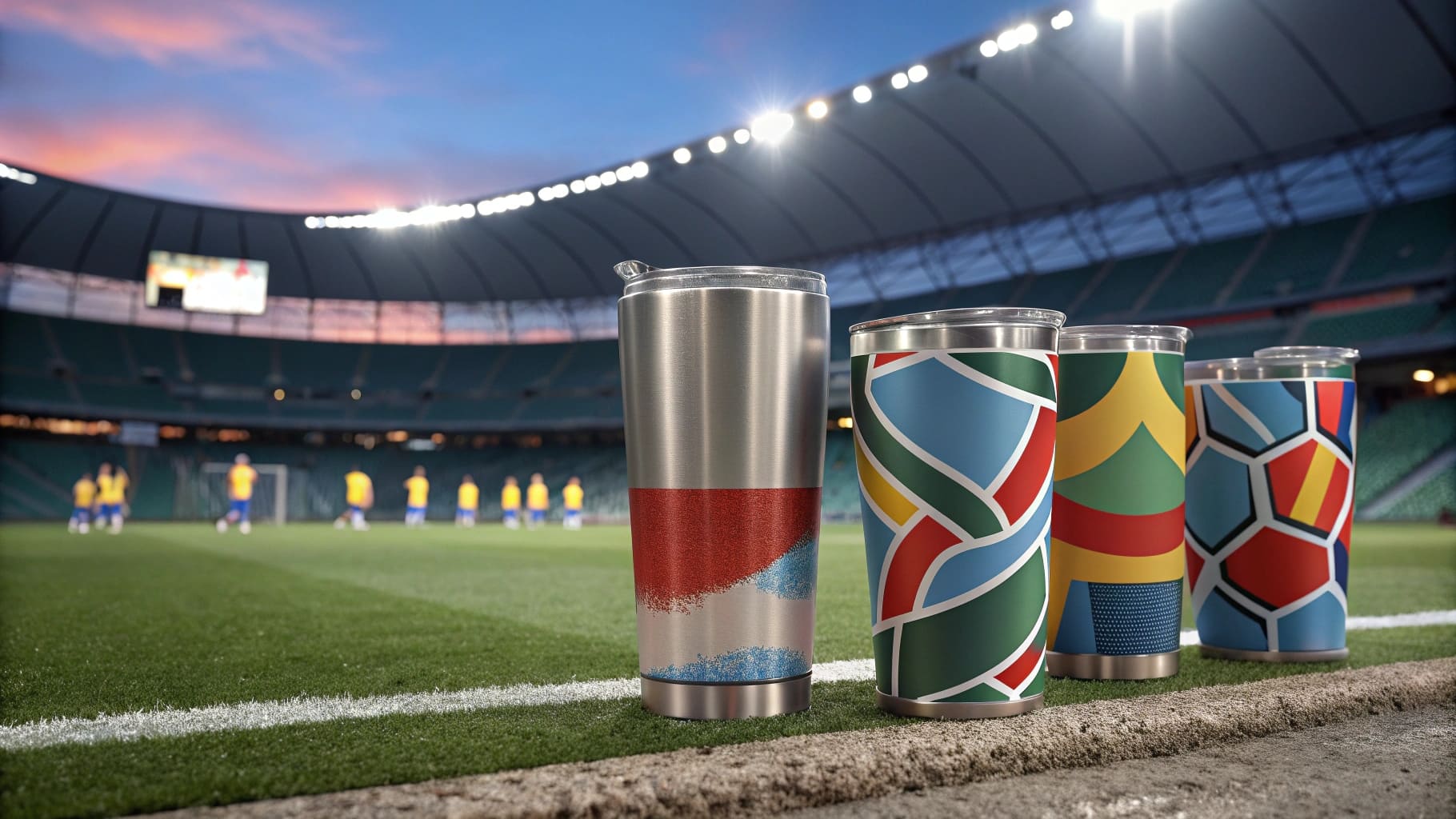
Why Skinny Profile Matters for Channel Distribution
I learned this the hard way three years ago. A Canadian distributor ordered 5,000 units of 30oz tumblers with a 4-inch base diameter. They looked premium in photos. But his retail partners rejected them because they did not fit standard car cup holders in sedans. We had to discount the entire batch by 40 percent just to move inventory.
The skinny profile exists for functional reasons, not just aesthetics. When you compare different 30oz formats, the dimensional variations impact distribution success rates dramatically.
| Dimension Factor | Standard Skinny | Wide Base | Impact on Channel |
|---|---|---|---|
| Base Diameter | 3.5 inches | 4.0+ inches | Cup holder compatibility |
| Height | 8-9 inches | 7-8 inches | Visual shelf presence |
| Top Opening | 3.0 inches | 3.5 inches | Lid compatibility |
| Weight (empty) | 12-14 oz | 15-17 oz | Perceived quality vs portability |
For 2026 SKU planning, I recommend you verify dimensions against your target market's dominant vehicle types. North American trucks and SUVs accommodate wider bases better than European compact cars. Your dimension choice directly determines which retail channels will accept your product. I always ask my factory to send dimensional drawings with tolerance ranges before approving any mold. This simple step prevents costly mistakes.
What Size Is a Stanley 30oz Tumbler?
I hear buyers reference Stanley dimensions constantly without understanding the actual specifications. They want to replicate Stanley's success but miss the details that made those products work. Copying without comprehension leads to inferior knockoffs that damage your brand.
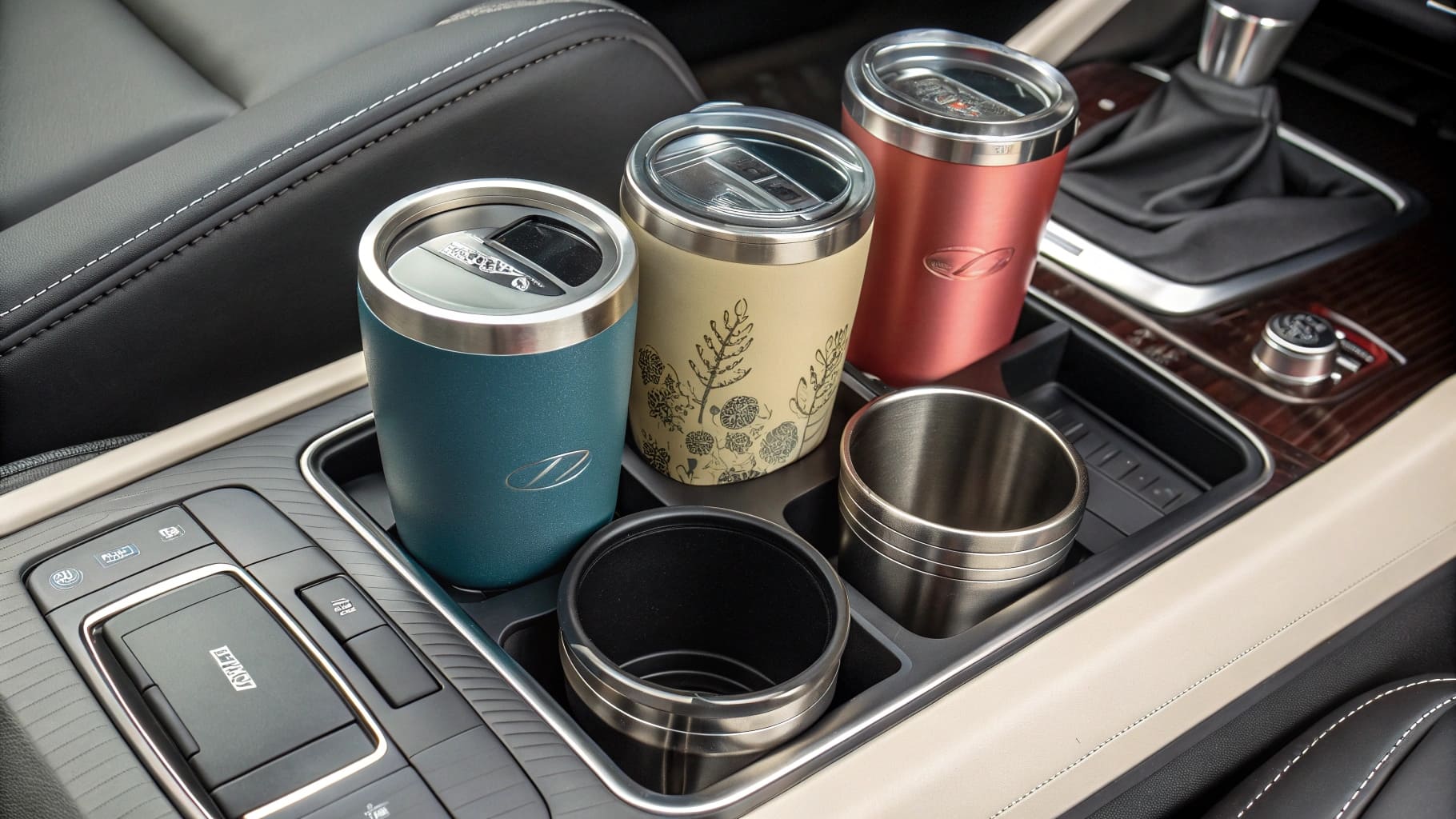
Stanley's popular Adventure Quencher travels in 30oz format with a tapered design that fits car cup holders. The exact dimensions prioritize functionality over maximum volume, creating a practical everyday tumbler rather than a statement piece.
Reverse Engineering Success Without Copying Design
Last year I worked with a buyer who wanted "Stanley dimensions exactly." I told him we could match the functional specs without infringing design patents. He did not understand the difference initially. Then I explained how Stanley's success comes from solving specific pain points, not just from particular measurements.
Here is what actually matters when you study Stanley's 30oz format:
| Feature Category | Stanley Approach | Your Adaptation Strategy |
|---|---|---|
| Base Taper | Gradual narrowing to 2.75" | Match cup holder fit, not exact taper |
| Handle Design | Comfort grip integrated | Offer modular handle as separate SKU |
| Lid System | FlowState 3-position | Develop 2-in-1 convertible for cost efficiency |
| Finish Options | Powder coat with texture | Standard powder coat with custom Pantone matching |
I tell buyers to study the problem Stanley solved, not the product Stanley made. Their 30oz size addresses the gap between "too small for all-day use" and "too large for practical carry." Your 2026 SKU should solve the same problem but differentiate through colorways, lid modularity, or regional customization. I have seen brands succeed by offering Stanley-compatible lid systems as aftermarket accessories. This strategy captures customers who already own Stanley products but want variety. You compete on ecosystem expansion rather than direct product comparison.
What Is the Best Size for a Tumbler?
I face this question from every new buyer. They want a simple answer because simple answers reduce inventory complexity. But the "best size" depends entirely on end-user context and channel strategy. Generic recommendations lose you sales.
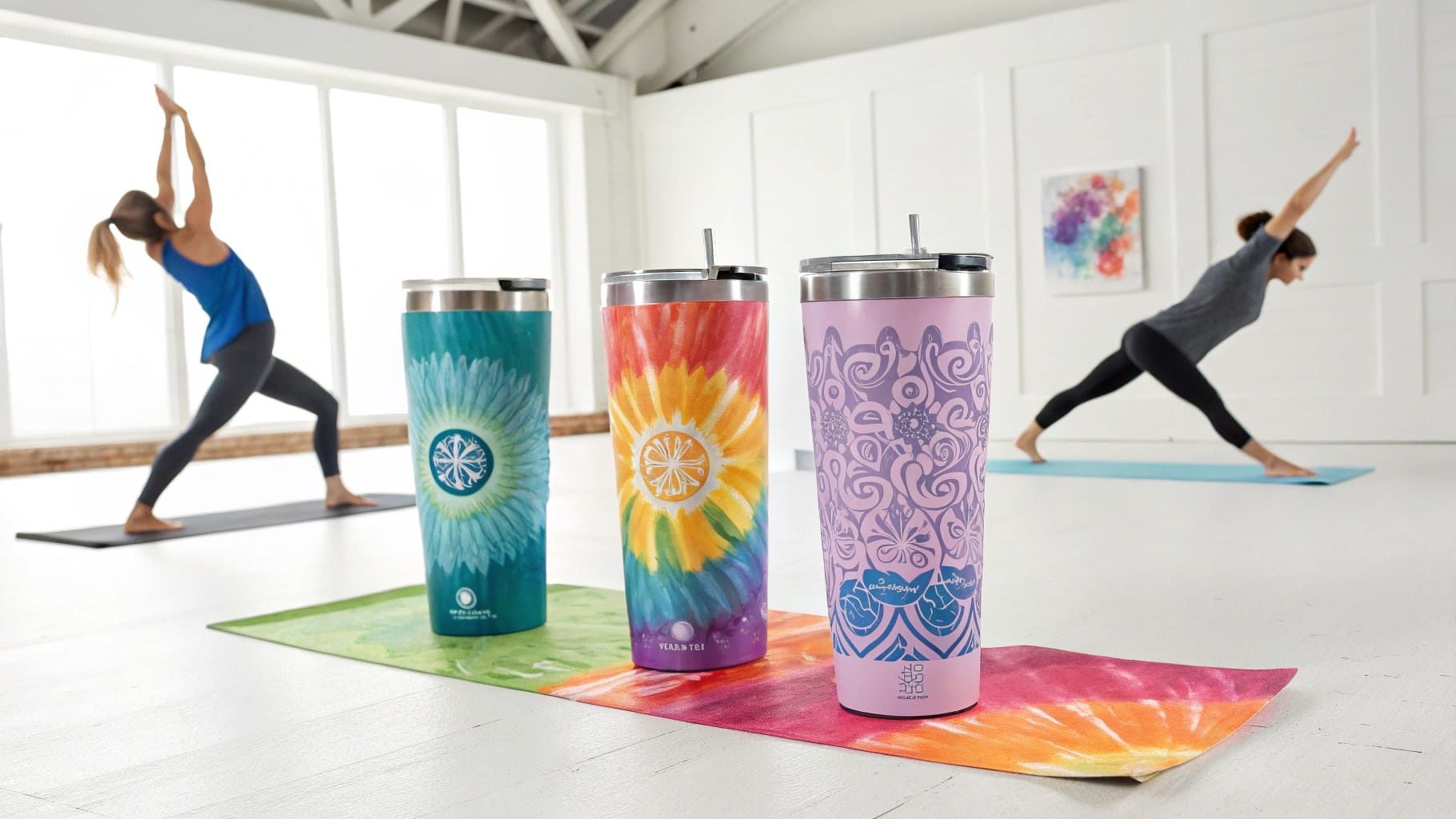
The best tumbler size depends on your customer's usage pattern and carrying context. For all-day office use, 30oz provides enough capacity without excessive weight. For gym commuters, 20oz offers better portability. For outdoor enthusiasts, 40oz justifies the bulk.
Building a Portfolio Strategy Instead of Betting on One Size
I made this mistake in my second year selling drinkware. I decided 20oz was "the perfect size" because it fit every cup holder. I loaded up inventory. Then a wholesale customer asked for 30oz options and I had nothing to offer. I lost that account to a competitor who maintained a balanced portfolio. The lesson cost me three months of potential revenue.
Your 2026 SKU matrix should not pick one winner. Build a portfolio that addresses multiple use cases:
| Size Category | Primary Use Case | Channel Fit | 2026 Trend Direction |
|---|---|---|---|
| 20oz | Commuter, quick errands | Convenience retail, gas stations | Declining market share |
| 30oz | Office workers, daily carry | Mass retail, corporate gifts | Growth opportunity |
| 40oz | All-day hydration, fitness | Specialty outdoor, online DTC | Saturated but stable |
For regional SKU planning, North American channels show stronger demand for larger formats. My US distributors move 40oz and 30oz at a 60:40 ratio. European buyers reverse that ratio because daily carry habits differ. Asian markets fragment further by workplace culture. Japanese office workers prefer 20oz for desk use while Chinese gym-goers want 30oz for post-workout refills.
Matching Size Strategy to Your Margin Goals
Here is something most buyers miss. Different sizes carry different margin profiles. I track contribution margin, not just gross margin. A 40oz tumbler costs me about 35 percent more to manufacture than a 20oz version, but I can charge 60 percent more at wholesale. That math looks attractive. But the 40oz size moves slower, ties up more capital, and generates more customer service inquiries about weight and bulk. The 30oz format sits in a sweet spot where manufacturing costs scale efficiently, inventory turns stay healthy, and customer complaints stay minimal.
I structure my SKU commitments around this reality. For 2026, I plan 50 percent of my production volume in 30oz formats, 30 percent in 40oz, and 20 percent in 20oz. This allocation reflects both margin opportunity and inventory risk management. You should model your own ratios based on your specific channel mix and working capital constraints. I use a simple spreadsheet that projects inventory turns against contribution margin by SKU. This tool helps me avoid the trap of chasing gross margin while ignoring capital efficiency.
Conclusion
Your 2026 tumbler success depends on matching size, colorways, and lids to regional demands. Verify dimensions against actual use contexts. Build portfolio strategies rather than betting on single SKUs. Balance margin opportunity with inventory risk to maximize return on capital.