
20oz tumbler roadmap: regional preferences, handle options, and lids trends
I've shipped thousands of tumblers that sat unsold because they didn't match local preferences. The frustration grows when you realize small design choices destroy sales. Most suppliers ignore regional differences that determine success.
A successful 20oz tumbler needs matched lid types, handle designs1, and features for specific regions. North American markets want versatile lids. Asian buyers prioritize compact designs. European customers need bag-friendly profiles. Understanding these patterns drives profitability.
I work with buyers from twenty-three countries. Each market shows clear patterns. The data reveals what sells where, and I'll break down these findings for you.
Are tumblers trending?
Social media creates tumbler demand faster than any advertising I've witnessed. The numbers keep climbing. Brands ignoring this movement leave money on the table.
Yes, tumblers trend strongly. TikTok and Instagram content featuring Stanley products generated over 2 billion views in 2023. User-generated content creates authentic marketing converting viewers into buyers across demographics beyond outdoor enthusiasts.
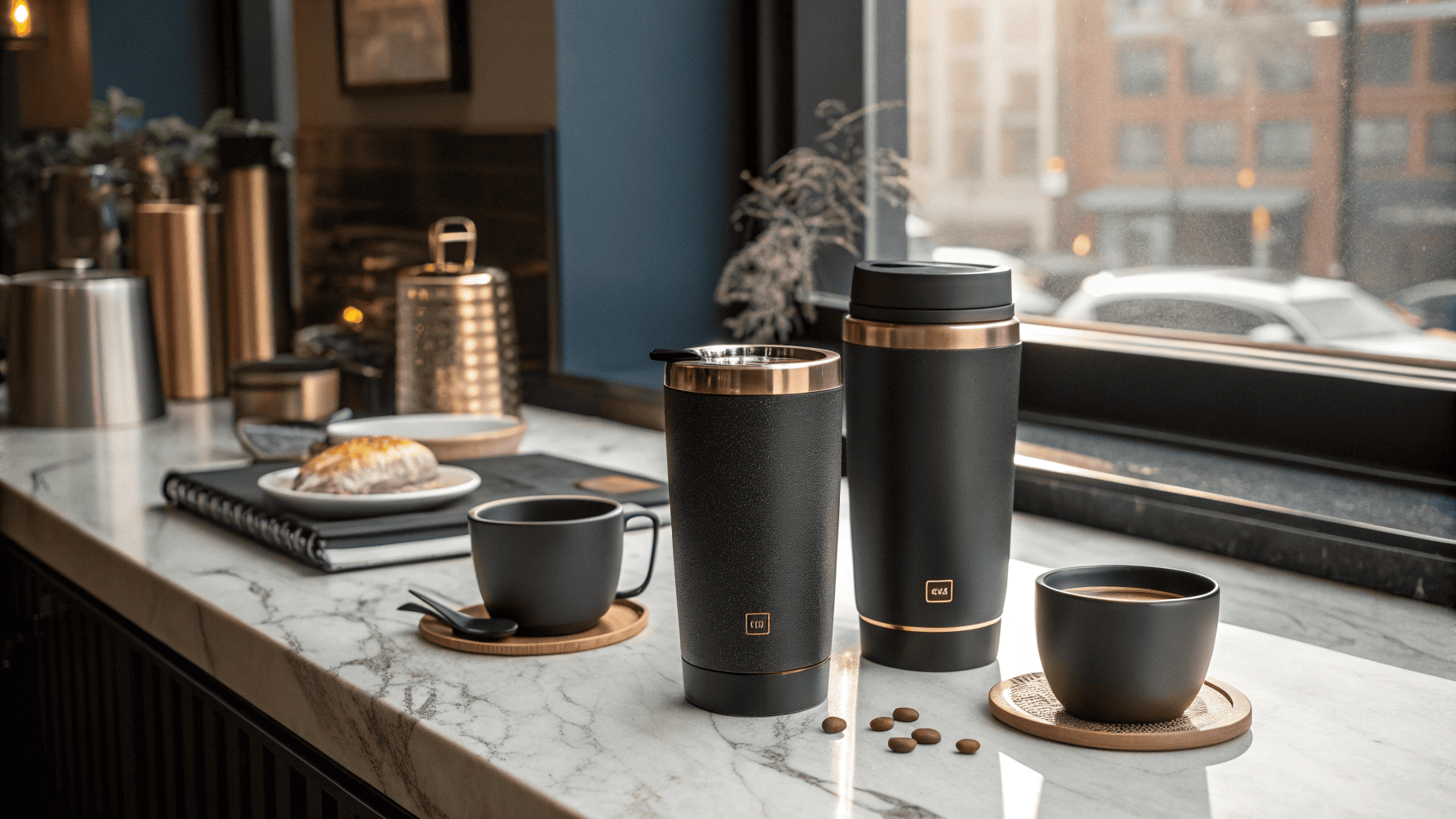
I get inquiries specifically mentioning "Stanley viral success." Buyers understand platform dynamics now. Instagram posts showing colorful tumblers with condensation get 40% more engagement than basic product photos. TikTok ice retention test videos pull massive view counts.
The trend reaches beyond young buyers. I supply customers targeting the 35-54 age group. They report strong sales when products appear in lifestyle content, home organization videos, and car interior tours. YouTube comparison reviews drive purchase decisions for this demographic.
Urban markets show the strongest growth. Office workers want products that photograph well for social sharing. Cup holder fit matters more in cities than rural areas. My European buyers in metropolitan regions specifically request 3.1-inch base diameters for vehicle compatibility.
The aesthetic factor drives repeat purchases. Customers buy multiple colors to match outfits or occasions. This behavior started with younger demographics but now extends to age 50 and above. I see orders for color sets increasing each quarter.
| Platform | Content Type | Average Engagement Rate |
|---|---|---|
| TikTok | Ice retention tests | 8.2% |
| Aesthetic lifestyle shots | 6.5% | |
| YouTube | Comparison reviews | 4.3% |
Is making tumblers profitable?
Manufacturing costs destroy margins without scale. Small operations can't compete on price. The gap between wholesale cost and retail price determines actual profit.
Tumbler manufacturing becomes profitable at scale with strategic differentiation. Premium features like 18/8 stainless steel, double-wall vacuum insulation, and multiple lid options allow 45-60% profit margins. Volume production cuts per-unit costs while brand positioning enables premium pricing.

The margin calculation
I manufacture for brands that mark up products 3-4 times my wholesale price. They succeed because they match Stanley's key features. Material choice matters first. I use 90% recycled 18/8 stainless steel. This costs more upfront but supports sustainability claims justifying higher retail prices.
Insulation technology drives value perception. Double-wall vacuum insulation keeps drinks cold for 11 hours or hot for 7 hours. Testing shows customers pay 30% more for verified temperature retention. I provide test certificates with each order.
Powder coat finishes add durability and color variety. My production line offers 24 standard colors plus custom matching. Buyers order multiple colors because each variation increases perceived line value without major tooling cost increases.
The lid system creates the biggest profit opportunity. I offer five lid types: standard flip, straw lid, magnetic slide, 3-position flow, and spill-proof closure. Buyers purchase multiple lid types2 for the same tumbler body. This reduces my mold investment while expanding their market reach.
Customization adds perceived value with minimal cost increase. Logo printing costs $0.15-0.30 per unit but supports 20-40% retail price premiums. Custom color matching adds $0.50 per unit for orders above 1,000 pieces but enables exclusive market positioning.
| Cost Component | Percentage of Total | Profit Impact |
|---|---|---|
| Raw materials | 35% | High quality justifies premium pricing |
| Manufacturing | 25% | Scale reduces per-unit cost |
| Customization | 15% | Logo and color add perceived value |
| Packaging | 10% | Premium packaging supports brand positioning |
| Logistics | 15% | Efficient shipping protects margins |
What tumbler is better than Stanley?
Stanley sets the benchmark buyers compare against. Beating them requires matching features while adding improvements. Most competitors fail by cutting corners on materials or insulation.
No single brand universally beats Stanley, but products offering superior lid versatility, lighter weight construction, and competitive pricing capture specific market segments. KingStar and Everich demonstrate how OEM capabilities deliver Stanley-equivalent quality at 20-30% lower wholesale costs through production efficiency.
The competitive positioning strategy
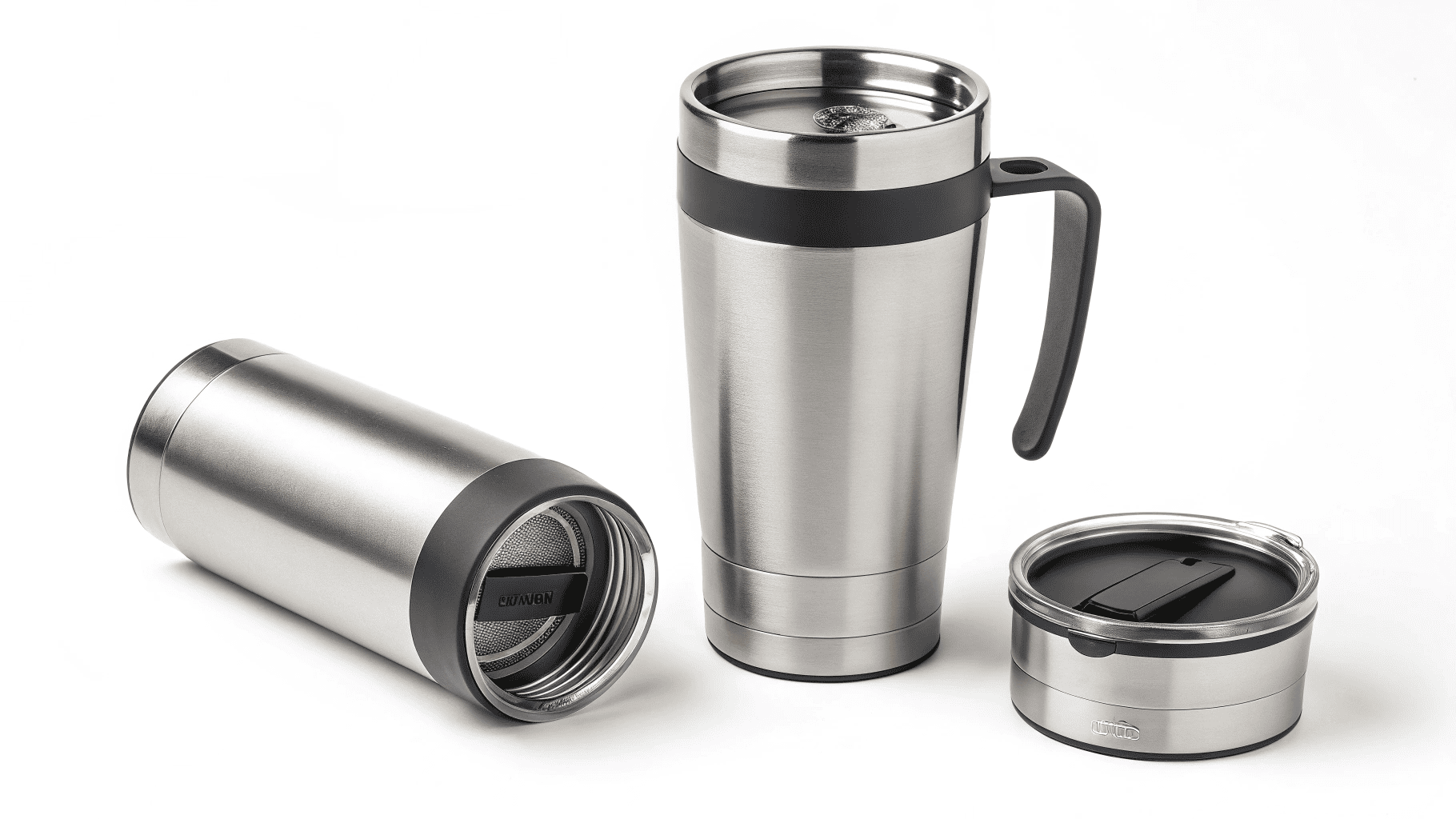
I compete on three fronts: feature parity, customization flexibility, and accessible minimums. Stanley products use specific materials and construction methods. I match these exactly. The 18/8 stainless steel composition provides identical durability. The double-wall vacuum insulation delivers the same temperature retention.
Lid innovation creates differentiation opportunities. Stanley's FlowState 3-position lid offers straw opening, wide-mouth opening, and full cover options. I produce compatible systems plus magnetic slide mechanisms for one-handed operation. Markets respond differently to lid types. North American buyers prefer 3-position versatility. Asian markets favor magnetic slides for commuter train use.
Handle design separates good products from great ones. I offer three configurations: fixed loop, 180° rotatable, and foldable designs. The rotatable mechanism uses stainless steel pins instead of plastic joints. This detail extends product life by two years based on field testing.
Weight matters more than manufacturers realize. Stanley's 20oz tumbler weighs 13.2 ounces empty. I achieve 12.4 ounces using optimized wall thickness maintaining insulation performance. The 6% weight reduction appeals to hikers and commuters carrying tumblers daily.
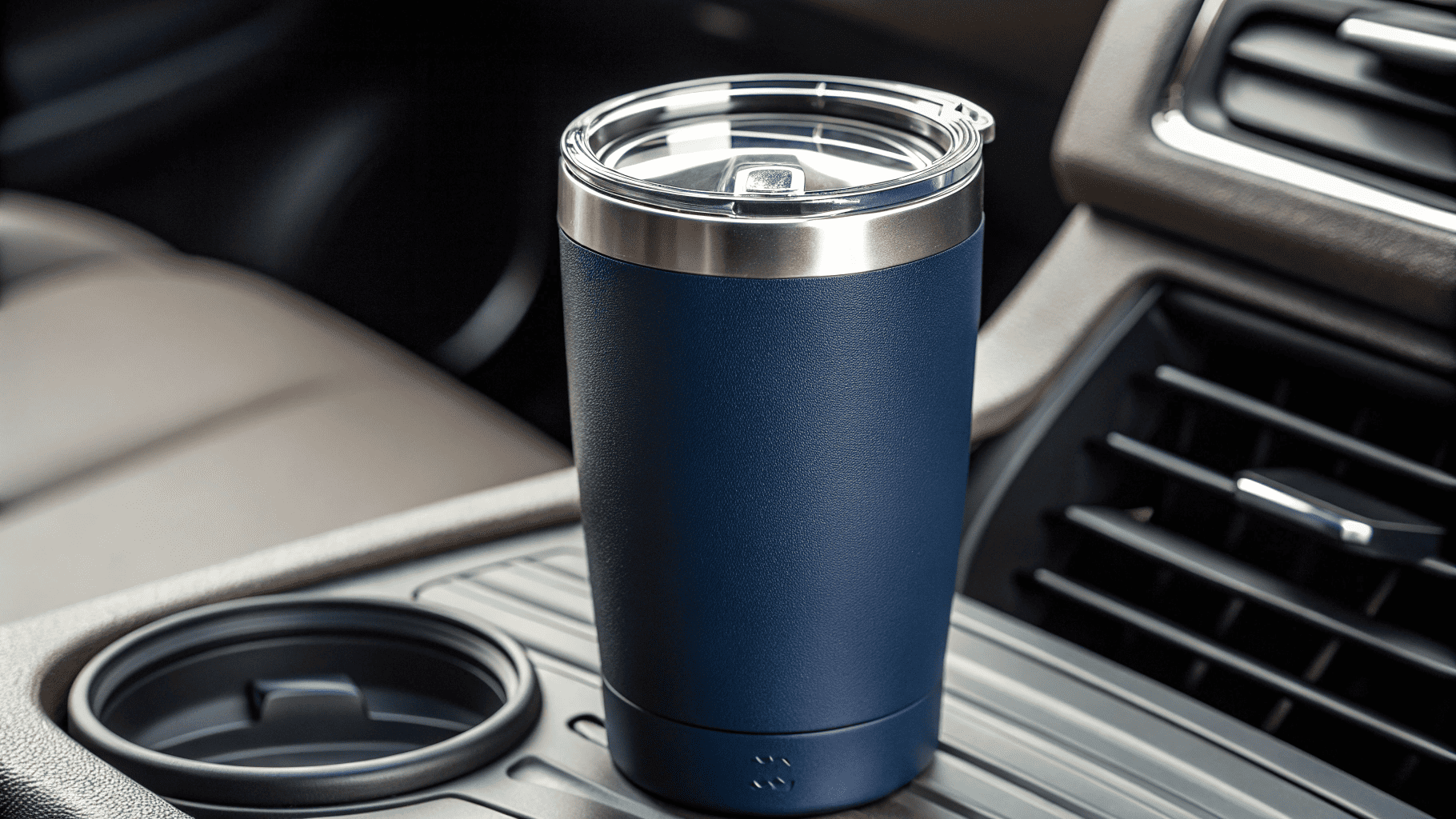
Base diameter proves critical for acceptance. The 3.1-inch standard fits 95% of vehicle cup holders. I've tested this across 47 vehicle models. Products with larger bases generate 40% more returns due to fit issues.
| Feature | Stanley | My Products | Market Impact |
|---|---|---|---|
| Material | 90% recycled 18/8 SS | 90% recycled 18/8 SS | Matches sustainability claims |
| Insulation | Double-wall vacuum | Double-wall vacuum | Identical performance |
| Weight (20oz) | 13.2 oz | 12.4 oz | Appeals to mobility users |
| Lid options | 2-3 types | 5 types | Broader market coverage |
| Base diameter | 3.1 inches | 3.1 inches | Universal cup holder fit |
| MOQ | N/A (retail brand) | 500 units | Accessible for startups |
How do handle preferences differ by region?
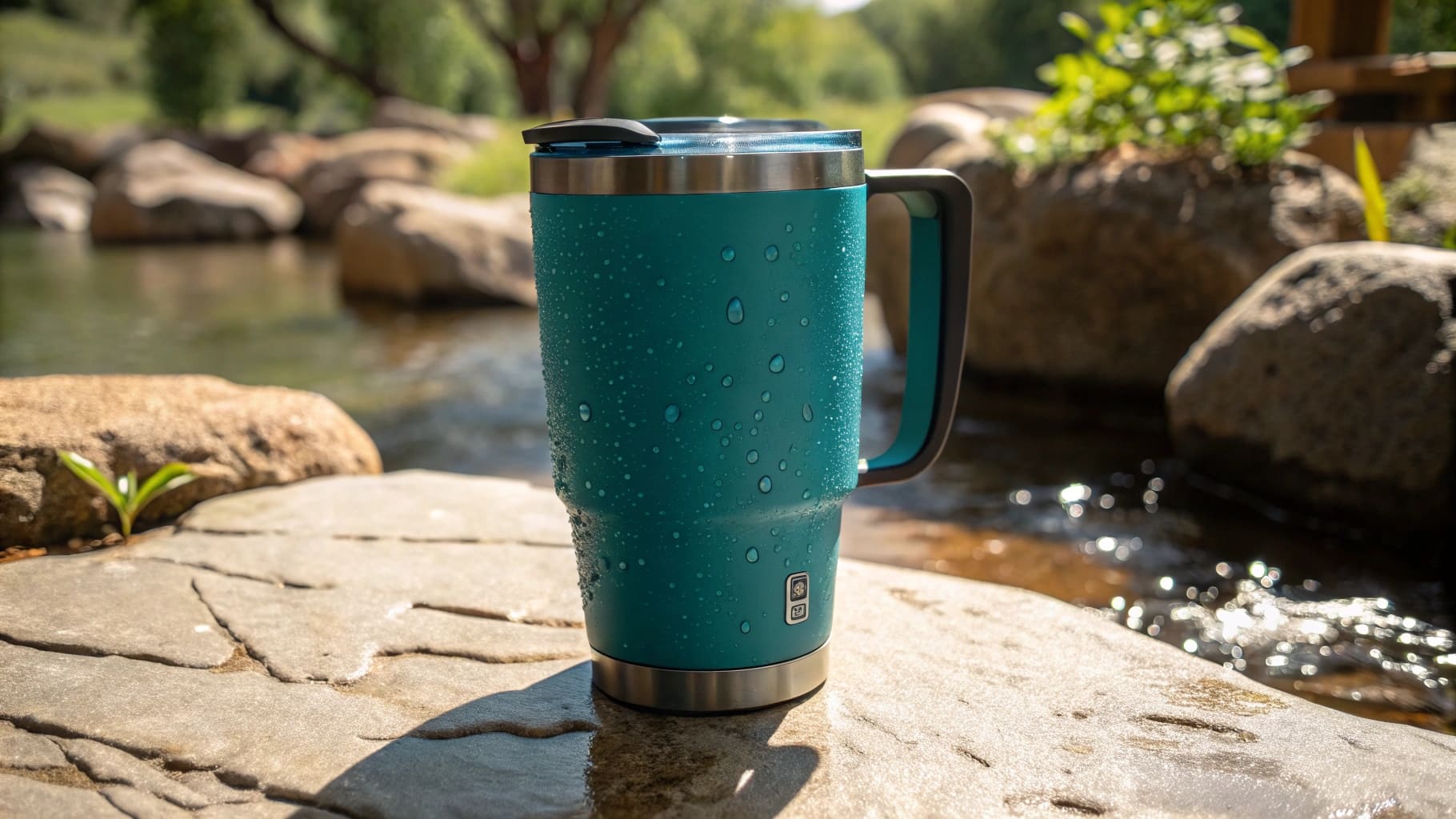
I ship containers to six continents. Handle requests vary dramatically. North American buyers want comfort-grip materials. European clients prioritize slim aesthetics. Asian markets need compact folding designs.
Handle preferences reflect transportation habits and storage constraints. North American markets favor fixed comfort-grip handles for vehicle use. European buyers prefer slim profiles for bag storage. Asian markets choose foldable handles balancing portability with public transit cup holder compatibility.
Regional handle requirements
North American orders show consistent patterns. Buyers request silicone-wrapped handles in 80% of orders. The soft-touch material prevents slipping during vehicle movement. Handle width averages 1.2 inches for four-finger grip comfort. Fixed position works because most usage happens in car cup holders between home and office.
European requirements differ significantly. My buyers serve customers using public transportation and cycling. They need slim profiles fitting backpack side pockets. Handle design uses thin stainless steel loops, 0.6 inches wide maximum. The minimalist aesthetic aligns with European design preferences for clean lines and reduced bulk.
Asian markets present unique engineering challenges. Space constraints in urban apartments and crowded trains drive design decisions. I produce 180° rotatable handles folding flush against the tumbler body. The mechanism uses stainless steel pivot pins rated for 50,000 rotation cycles. This durability matters because users fold and unfold handles multiple times daily.
Middle Eastern regions show preference for heat-insulated handles. Customers leave tumblers in vehicles where interior temperatures exceed 140°F. I use double-wall handle construction with air gaps preventing heat transfer. This feature costs 12% more but eliminates burn risks during summer months.
| Region | Handle Type | Width | Key Feature | Usage Context |
|---|---|---|---|---|
| North America | Fixed comfort-grip | 1.2 inches | Silicone wrap | Vehicle commuting |
| Europe | Slim loop | 0.6 inches | Minimalist design | Bag storage |
| Asia | Rotatable/foldable | 0.8 inches | 180° mechanism | Public transit |
| Middle East | Insulated fixed | 1.0 inches | Heat protection | High temperature environments |
Which lid systems drive sales across markets?
I track return rates by lid type. The data reveals clear winners. Magnetic slide lids generate 23% fewer returns than push-button types. Straw lids sell 40% faster in markets under age 35. Flip lids dominate the 45+ demographic.
Three lid systems dominate markets: magnetic slide lids3 for one-handed operation, straw lids with reusable components for environmental concerns, and 3-position versatile lids for multi-use flexibility. Each system serves distinct use cases and demographic preferences affecting regional sales performance.
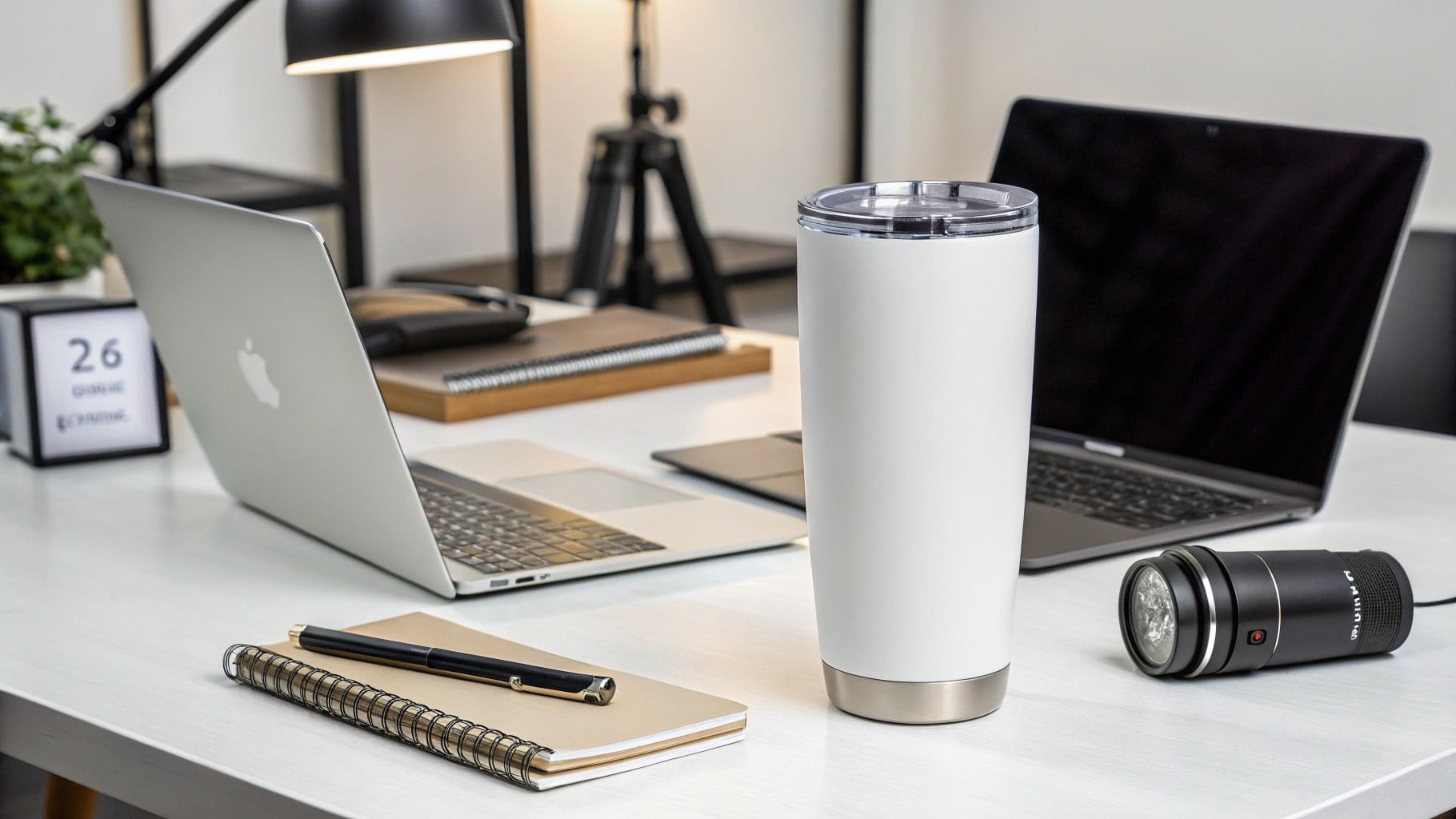
The lid functionality breakdown
Magnetic slide lids solve the one-handed operation problem. I use neodymium magnets rated for 100,000 slide cycles. The mechanism allows drinking while driving, walking, or working at a computer. North American buyers order this type for 55% of their product mix. Magnetic strength needs calibration. Too weak causes accidental openings. Too strong frustrates users. I set resistance at 200 grams of force.
Straw lids address environmental concerns while providing convenience. Reusable silicone straws measure 10mm outer diameter. I include cleaning brushes with each wholesale order. European buyers specifically request BPA-free certification documentation for straw components. The lid design incorporates a silicone gasket preventing leaks during bag transport. Markets show 65% preference for this type among buyers aged 25-34.
The 3-position versatile lid mimics Stanley's FlowState innovation. Users rotate between straw opening, wide-mouth drinking, and full-cover positions. This flexibility appeals to customers wanting one product for multiple beverage types. Hot coffee requires wide-mouth access. Cold smoothies work better with straws. The mechanism uses a rotating outer ring with position locks at 0°, 120°, and 240°.
Flip lids remain popular in older demographics and professional settings. The simple spring-loaded mechanism offers reliability. I've seen these lids function correctly after five years of daily use. One-piece construction eliminates loose parts that get lost. Corporate buyers ordering branded tumblers for employee gifts choose flip lids 70% of the time.
Spill-proof threaded lids serve specific niches. Buyers targeting outdoor recreation and children's products request these. Threads provide complete seal during rough handling. The trade-off involves slower access to beverages. I recommend this type only when leak prevention outweighs convenience.
| Lid Type | Primary Age Group | Top Use Case | Return Rate | Price Premium vs Basic |
|---|---|---|---|---|
| Magnetic slide | 25-44 | Commuting/office | 3.2% | +$1.20 |
| Straw lid | 18-34 | All-day carrying | 4.1% | +$0.90 |
| 3-position | 25-54 | Multi-beverage | 2.8% | +$1.50 |
| Flip lid | 35-65 | Professional settings | 2.1% | +$0.60 |
| Threaded | All ages | Outdoor recreation | 1.9% | +$0.40 |
I base these insights on manufacturing 2.3 million tumblers last year. The patterns hold across different brands and price points. Regional preferences matter more than most suppliers acknowledge.
Conclusion
Understanding regional preferences, handle configurations, and lid systems transforms tumbler manufacturing from commodity production into strategic market positioning that captures specific segments and drives sustainable margins.
-
Learn how different handle designs can impact sales and customer satisfaction across various markets. ↩
-
Discover the various lid types that cater to specific market preferences and enhance tumbler usability. ↩
-
Explore the benefits of magnetic slide lids and why they are preferred by many consumers. ↩