
20oz stainless steel water bottle spec sheet for OEM and private label
You want to source quality water bottles for your brand. The spec sheet confuses you. You worry about making the wrong material choice that could cost you customers.
A complete 20oz stainless steel water bottle spec sheet should detail the steel grade, capacity tolerance, insulation performance, customization options1, and certifications. The right specifications protect your brand reputation and satisfy end-user expectations in North American markets.
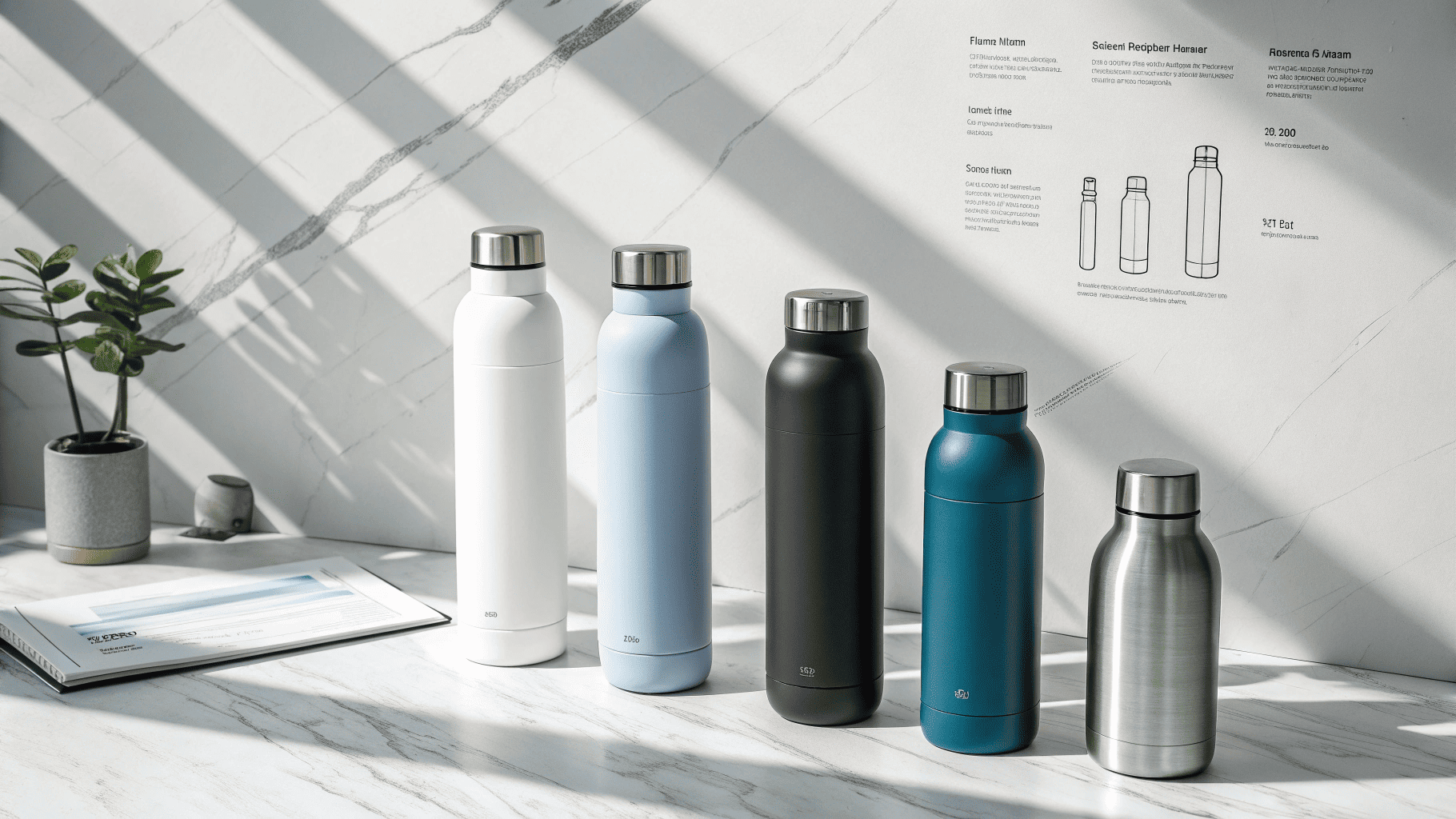
I have worked with hundreds of buyers like you over the past years. Many came to me after bad experiences with suppliers who provided incomplete specifications. They lost money on products that did not meet their market standards. I want to help you avoid these problems by breaking down what really matters in a spec sheet.
What Number of Stainless Steel Is Best for Water Bottles?
You see different steel numbers on spec sheets. Your customers ask about material safety. You need to answer them with confidence.
The best food-grade options are 304 and 316 stainless steel from the 300 series family. These materials ensure low migration rates of harmful substances, resist corrosion, and offer high sanitary performance for daily hydration products.
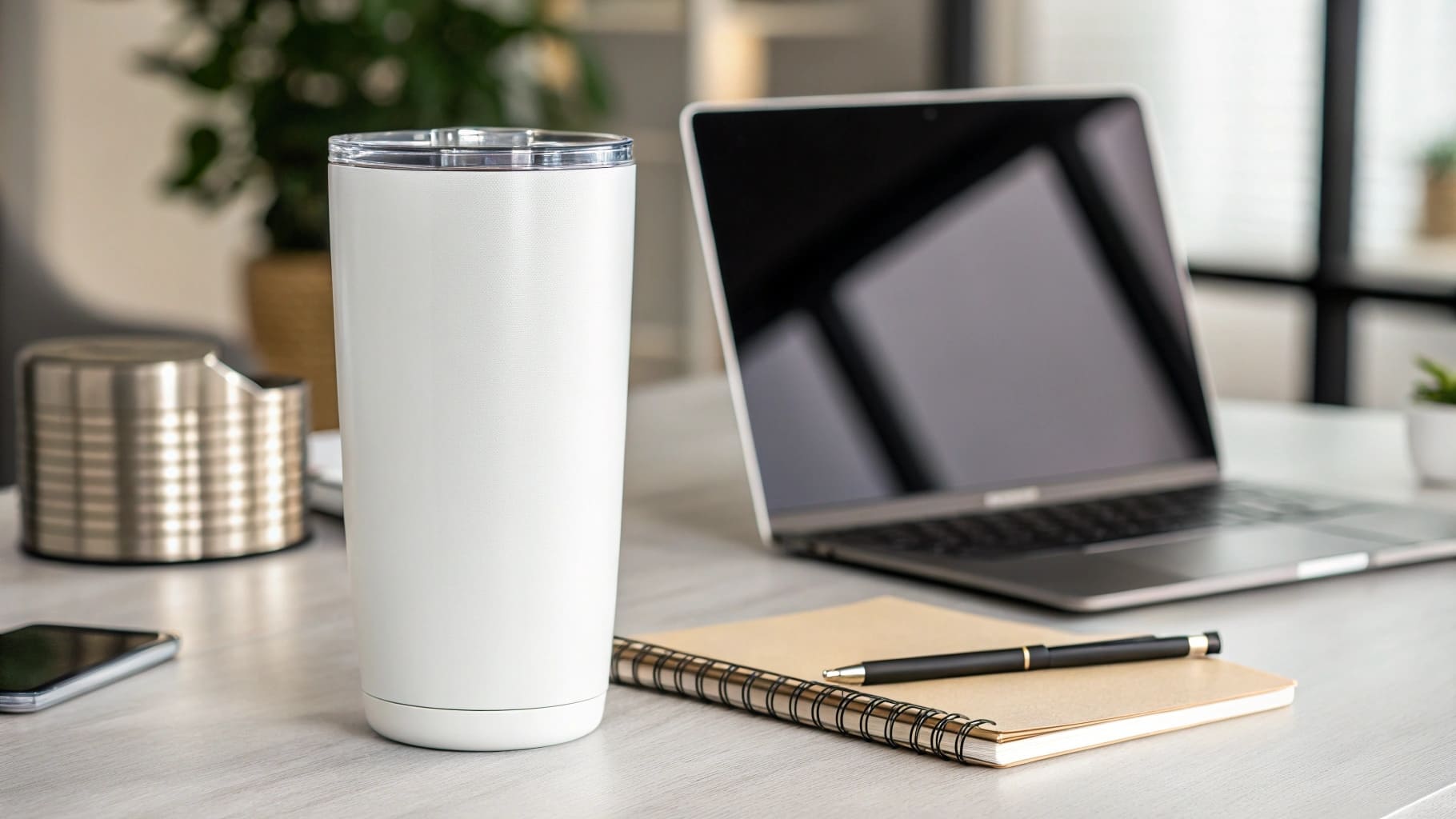
I always recommend 304 stainless steel for most B2B buyers. We also call it 18/8 stainless steel. The numbers mean the material contains at least 18% chromium and 8% nickel. This composition gives excellent acid and alkali resistance. Your end users can safely drink from these bottles every day.
The industry recognizes 304 as the standard for quality water bottles. We use it in most of our production runs at Icobottle. The material stands up to daily wear. It does not rust easily. Your customers can put various beverages in these bottles without safety concerns.
I also work with 316 stainless steel for premium buyers. This grade costs more because it offers superior corrosion resistance. Aerospace and medical equipment manufacturers prefer 316. Some of my Canadian clients order this grade for high-end corporate gifts. The extra cost positions their brand as premium.
You might see 200 series stainless steel in the market. I do not recommend it for your brand. This grade costs less but offers lower quality. The corrosion resistance falls below 304 and 316. Some buyers choose it to hit very low price points. Your brand deserves better material that protects your reputation.
The steel grade appears on every proper spec sheet. A good supplier lists the exact composition percentages. We provide material certificates with each shipment. These documents prove the steel meets food-grade standards2. You can show these certificates to your customers or regulatory bodies.
Can I Print My Own Water Bottle Labels?
You want your brand visible on every bottle. Generic products do not build customer loyalty. You need customization options that match your vision.
Professional manufacturers offer multiple logo printing methods including silkscreen prints, laser engraving, embossed logos, heat transfer prints3, 4D prints, and sublimation transfers. These options let you create distinctive products for corporate gifts, promotional items, or retail merchandise.

I help buyers customize their bottles every day. The process starts with your logo file. We create 2D and 3D drawings for your confirmation. You see exactly how your brand will look on the bottle before production starts. This step prevents surprises and saves you money on mistakes.
Silkscreen printing works well for simple logos with solid colors. We can print your design in one to four colors. The ink bonds permanently to the stainless steel surface. Your customers can wash these bottles hundreds of times without the logo fading.
Laser engraving creates a premium look. We use high-precision lasers to etch your design into the steel. The result lasts forever because we actually remove material. Many of my clients in Toronto and Vancouver prefer this method for corporate gifts. The engraved logo feels sophisticated when someone touches it.
Heat transfer prints allow full-color designs. You can reproduce photographs or complex artwork. We apply a special film that wraps around the bottle. The colors stay vibrant for years. This method costs slightly more but delivers stunning visual impact.
I protect your designs throughout the process. We sign non-disclosure agreements before you share proprietary artwork. Your intellectual property stays confidential. Some clients ask us to help register patents for unique bottle shapes. We have experience with the patent office and can guide you through that process.
The customization adds your brand personality to functional products. Your customers remember where they got that special bottle. They become walking advertisements for your business every time they drink water in public.
Is 304 Stainless Steel Better Than 316 for Water Bottles?
You compare spec sheets from different suppliers. One quotes 304 steel. Another offers 316. You wonder which material justifies the higher price.
The choice depends on your target market positioning rather than one being categorically better. Both materials are austenitic stainless steel with excellent food safety credentials. For mainstream markets, 304 provides optimal corrosion resistance and cost-effectiveness.
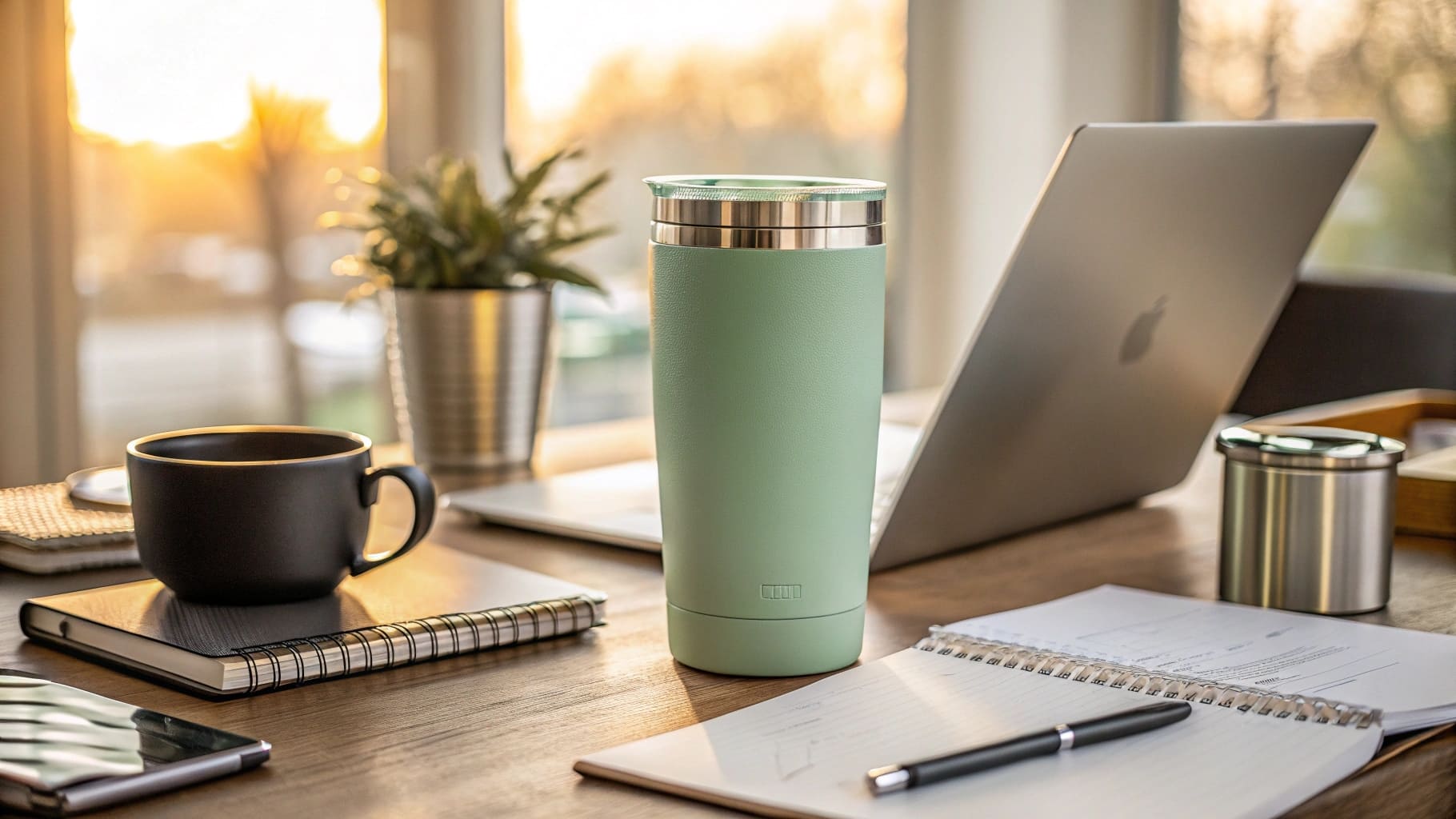
I stock both materials at our factory. Most of my Canadian buyers choose 304 for their standard product lines. The material performs excellently in normal use conditions. Your customers get safe, durable bottles at a competitive retail price. The cost savings let you maintain healthy profit margins.
The 316 grade contains additional molybdenum. This element increases resistance to chlorides and acidic environments. I recommend 316 for buyers targeting coastal markets where salt air affects products. The extra protection justifies the higher cost in those specific conditions.
Price differences between 304 and 316 affect your entire business model. The raw material for 316 costs approximately 30% more than 304. This increase flows through to your wholesale price. You need to decide if your target customers will pay the premium.
I once worked with a buyer from British Columbia. He wanted to position his brand as ultra-premium. We produced his 20oz bottles in 316 stainless steel. He marketed them to outdoor enthusiasts in coastal areas. The strategy worked because he clearly communicated the material benefits. His customers understood why they paid more.
Another client in Ontario orders only 304 steel. He sells to corporate buyers for employee wellness programs. The 304 grade meets all safety requirements. His customers care more about customization and delivery speed than premium materials. He built a successful business with the standard grade.
Testing certificates matter more than just the steel number. I provide material test reports with every shipment. These documents verify the exact composition. Some suppliers claim to use 304 but substitute inferior materials. Always request certificates and verify them with independent labs if you have concerns.
Your spec sheet should clearly state which grade you order. This transparency protects you if quality issues arise later. You have documentation showing what you paid for.
Conclusion
A proper spec sheet gives you confidence to build your water bottle business. The right steel grade, clear customization options, and verified certifications protect your brand and satisfy customers.